
 Ebike Locks
 Phone Mount
 Payment
 Afterpay Financing
 Warranty
 Shipping Policy
 Exclusive Discounts
 Track Your Order
 Return & Refund
 Referrals & Membership
 User Manual
 Contact Us
 FAQs
FAQs
Electric dirt bikes are built for adventure, but off-road riding doesn't always happen in perfect weather.
You might encounter a muddy trail after a rainstorm, ride through wet grass, cross a shallow puddle, or get caught in an unexpected shower. That raises an important question for anyone considering an electric dirt bike:
Are electric dirt bikes waterproof?
The short answer is: most electric dirt bikes are not completely waterproof.
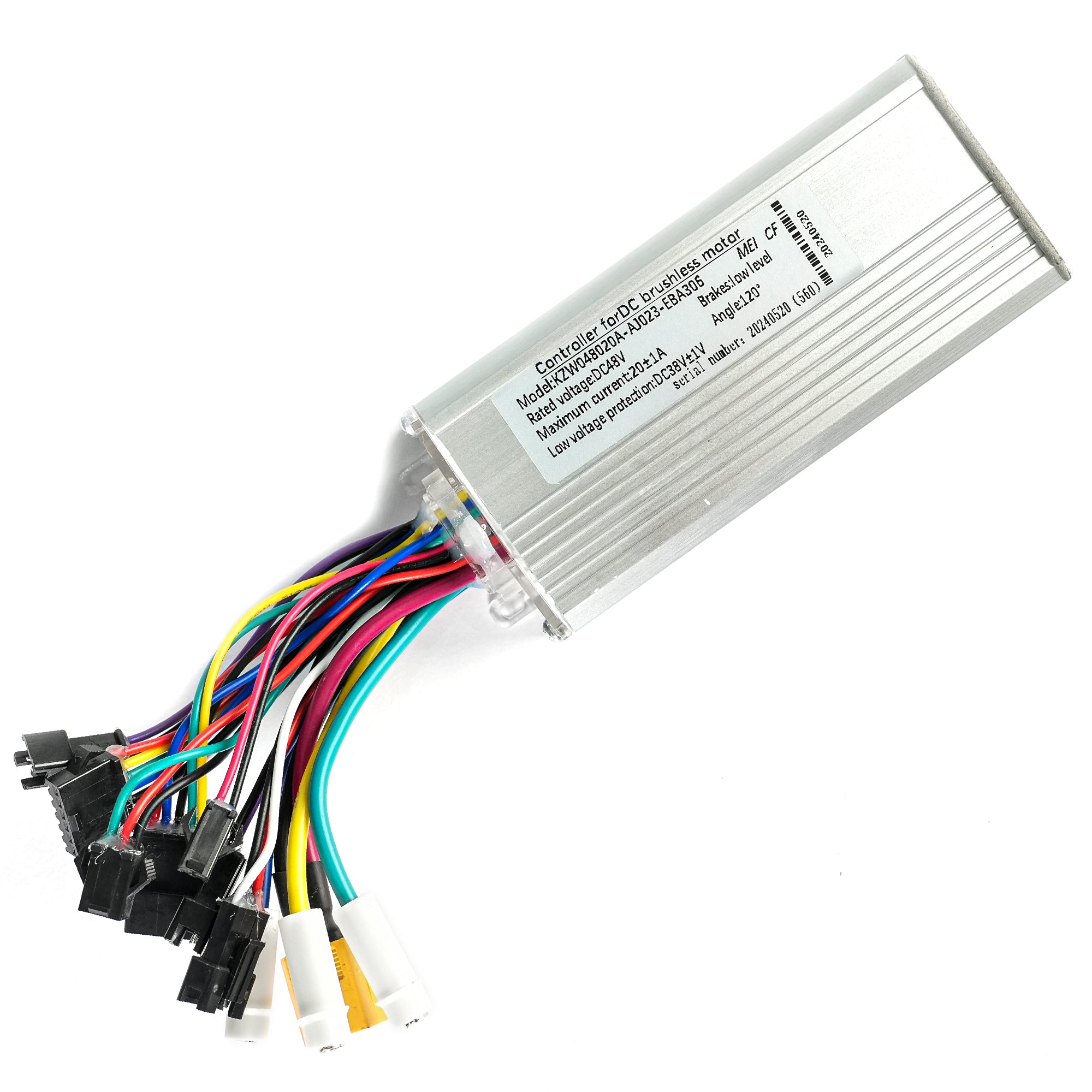
Many are designed to handle some exposure to water, but that doesn't mean every electrical component can safely be submerged or sprayed with high-pressure water. The level of protection varies by model and by component, including the battery, motor, controller, display, and charging port.
Understanding the difference between water-resistant and waterproof, knowing your bike's water-protection rating, and using the right cleaning and storage practices can help protect your electric dirt bike and its electrical system.
In this guide, we'll explain what riders need to know about electric dirt bikes and water, including riding in the rain, puddles and mud, washing your bike, charging after a wet ride, and how to reduce the risk of water-related damage.
Are Electric Dirt Bikes Waterproof?
Generally, no—not completely.
An electric dirt bike may be designed to tolerate exposure to water, but "waterproof" suggests that the bike can safely withstand water under all conditions, including prolonged exposure or submersion. That is not a safe assumption for an electric vehicle.
Instead, manufacturers may design specific components to be water-resistant or provide an IP rating indicating their resistance to dust and water under defined test conditions.
This distinction matters.
An electric dirt bike can be suitable for riding on a damp trail or through light rain while still being unsuitable for:
- Submersion in a puddle
- Riding through deep water
- Pressure washing
- Leaving the bike outside in heavy rain for extended periods
- Charging while wet
- Storing a wet bike in a location where moisture can reach electrical connections
In other words:
Water-resistant does not mean waterproof, and waterproof does not mean suitable for underwater riding.
Always check the manufacturer's specifications for your specific electric dirt bike before riding in wet conditions.
What Does "Water-Resistant" Mean?
Water resistance means a product has been designed to reduce the amount of water that can reach sensitive internal components.
For an electric dirt bike, this protection may come from:
- Sealed electrical connectors
- Gaskets
- Protective housings
- Battery enclosure design
- Cable routing
- Sealed motor components
- Protected charging ports
However, water resistance has limits.

The amount of protection can vary significantly depending on the component and the direction, pressure, and duration of water exposure.
For example, a component that can tolerate water splashing from rain may not be designed to withstand a high-pressure stream of water directed directly at a seal.
That's why an electric dirt bike's water protection should always be interpreted according to the manufacturer's specifications.
What Is an IP Rating?
If you've researched electric dirt bikes, e-bikes, or other electric vehicles, you've probably seen specifications such as IP54, IP55, IP65, or IPX5.
These ratings come from the Ingress Protection (IP) code, which describes how well an enclosure protects against the entry of solids and water.
An IP rating usually contains two characters.
The First Digit: Protection Against Solids
The first digit indicates protection against solid particles such as dust.
For example:
- 0: No protection
- 4: Protection against solid objects larger than 1 mm
- 5: Dust-protected
- 6: Dust-tight
The Second Digit: Protection Against Water
The second digit indicates the level of water protection.
Some common ratings include:
- IPX4: Protection against water splashes from different directions
- IPX5: Protection against water jets
- IPX6: Protection against powerful water jets
- IPX7: Protection against temporary immersion under specified test conditions
- IPX8: Protection against continuous immersion under conditions specified by the manufacturer
The "X" simply means that no rating is specified for that particular category.
For example, IPX5 provides a water-protection rating but doesn't specify a solid-particle rating.
Important: An IP Rating Doesn't Mean the Entire Bike Has That Rating
This is one of the most important things to understand.
An electric dirt bike can contain multiple components with different levels of protection.
The:
- Battery
- Motor
- Controller
- Display
- Wiring
- Connectors
- Charging port
may not all have identical protection.
So don't assume that an IP-rated battery means the entire electric dirt bike can be submerged.
Always check which component the rating applies to.

Can You Ride an Electric Dirt Bike in the Rain?
It depends on the bike's specifications and the severity of the conditions.
An electric dirt bike designed with appropriate water protection may be capable of handling light rain or damp riding conditions.
But that doesn't mean riding in heavy rain is always a good idea.
Before riding in wet conditions, consider:
1. The Bike's Water-Resistance Rating
Check the manufacturer's specifications first.
If the manufacturer doesn't specify water resistance, don't assume the bike is designed for wet-weather riding.
2. How Heavy the Rain Is
Light rain and occasional splashes are very different from riding through a prolonged downpour.
The longer the bike is exposed to water, the more opportunities moisture has to reach vulnerable areas.
3. The Terrain
Wet dirt can become significantly more slippery than dry dirt.
Mud can reduce traction, affect braking, and make steering more difficult.
A technically manageable trail in dry weather can become considerably more challenging after rain.
4. Visibility
Rain can reduce visibility for both the rider and other people on or around the trail.
If conditions become unsafe, the best option may be to stop riding.
Can Electric Dirt Bikes Go Through Puddles?
This is where riders need to be particularly careful.
A shallow puddle may not cause a problem for a water-resistant electric dirt bike, but there is no universal safe water depth for all electric dirt bikes.
The risk depends on:
- The bike's design
- Component placement
- Water depth
- Riding speed
- Water pressure
- How long the bike remains exposed
- Whether water splashes upward toward electrical components
Even a puddle that looks shallow can create a significant splash when a dirt bike travels through it at speed.
Avoid Deep Water
If you cannot clearly determine how deep the water is, don't ride through it.
A hidden hole, rock, rut, or submerged obstacle can also cause a crash.
More importantly, deep water can reach components that are not designed for immersion.
Never assume an electric dirt bike can safely cross a body of water simply because its battery or motor has an IP rating.
What About Mud?
Mud is one of the reasons electric dirt bikes need more careful cleaning than ordinary bicycles.

Mud itself isn't necessarily a problem if the bike is designed for off-road use. The bigger issue is what can happen when mud and water reach sensitive areas.
Mud can accumulate around:
- Motor housings
- Electrical connectors
- Battery compartments
- Brake components
- Suspension components
- Wheels
- Chain and drivetrain components
- Cooling areas
Once mud dries, it can become much harder to remove.
Mud can also hide damage that occurred during a ride.
After riding on muddy trails, it's a good idea to inspect the bike rather than simply putting it away.
Can You Pressure-Wash an Electric Dirt Bike?
It's generally better to avoid pressure washing an electric dirt bike.
Even if certain components are water-resistant, a pressure washer produces concentrated water at much higher pressure than normal rain.
That water can potentially force its way past seals or into areas that aren't designed to handle high-pressure spray.
A safer approach is to use:
- A soft cloth
- A soft brush
- A low-pressure water stream when appropriate
- Mild bicycle-safe cleaning products
- A clean towel for drying
Be Especially Careful Around:
- Charging ports
- Battery connections
- Electrical connectors
- Displays
- Switches
- Seals
- Bearings
- Suspension components
Don't direct concentrated water at these areas.
How to Clean an Electric Dirt Bike After a Muddy Ride
Cleaning an electric dirt bike doesn't have to be complicated.
Step 1: Turn the Bike Off
Switch off the bike before cleaning it.
If the manufacturer recommends removing the battery for cleaning or storage, follow those instructions.
Step 2: Let Excess Mud Dry or Loosen It Gently
If there is a thick layer of mud, allow it to loosen naturally or gently remove it.
Avoid aggressively scraping around electrical components.
Step 3: Use Low-Pressure Water Carefully
If the manufacturer's instructions allow water cleaning, use a gentle stream rather than a pressure washer.
Work from cleaner areas toward dirtier areas while avoiding sensitive electrical connections.

Step 4: Clean the Frame and Components
Use a soft brush or cloth to remove dirt from:
- Frame
- Wheels
- Fenders
- Fork
- Swingarm
- Drivetrain
Step 5: Dry the Bike Thoroughly
Use a clean towel to remove surface moisture.
Allow the bike to air-dry completely before storing or charging it.
Step 6: Inspect the Bike
Look for:
- Loose connectors
- Damaged cables
- Cracked housings
- Water around electrical components
- Damage to the battery enclosure
- Brake problems
- Loose hardware
Cleaning is also a good opportunity to spot problems that might otherwise go unnoticed.
Can You Charge an Electric Dirt Bike When It's Wet?
No. Do not charge an electric dirt bike while the charging port, charger, connector, or surrounding area is wet.
This is one of the most important wet-weather rules.
Before charging:
- Move the bike to a dry location.
- Turn the bike off.
- Check the charging port.
- Make sure the connector and charger are dry.
- Inspect for visible water or damage.
- Allow everything to dry completely before connecting the charger.
Do not try to speed up drying by using excessive heat.
If water has entered the charging port or you suspect moisture has reached the battery or other electrical components, follow the manufacturer's instructions before attempting to charge.
When in doubt, don't plug it in.
What Happens If an Electric Dirt Bike Gets Wet?
Getting an electric dirt bike wet does not automatically mean it is damaged.
If the bike is designed to tolerate water exposure, normal rain or splashes may not cause a problem.
The concern is where the water goes and how much water reaches the electrical system.
Potential problems can include:
- Electrical shorts
- Corrosion
- Connector problems
- Battery damage
- Controller malfunction
- Display or switch failure
- Reduced reliability over time
Some water-related problems may not appear immediately.

Moisture trapped inside a connector or enclosure can contribute to corrosion over time, which is one reason proper drying and inspection are important after wet rides.
What Should You Do If Your Electric Dirt Bike Gets Soaked?
If your bike has been exposed to unusually heavy rain or water:
1. Turn It Off
Don't continue riding simply to see whether everything still works.
2. Don't Charge It
Wait until the bike and charging system are completely dry.
3. Dry the Exterior
Use a clean towel to remove visible water.
4. Inspect Electrical Areas
Check accessible connectors, the charging port, battery enclosure, and cables for visible moisture or damage.
5. Let It Dry Naturally
Place the bike somewhere dry and well ventilated.
6. Check the Manufacturer's Guidance
If the bike was submerged or water may have entered the battery enclosure or other electrical components, contact the manufacturer or a qualified technician before using or charging it again.
Can the Battery Get Wet?
The battery is one of the most important components to protect from water.
Electric dirt bike batteries are normally enclosed in protective housings, but that doesn't make them universally waterproof.
Water exposure can become particularly concerning if:
- The battery casing is damaged
- A seal is compromised
- The battery compartment is opened while wet
- A connector becomes contaminated
- The battery is submerged
- The bike has been involved in a crash
Never open or attempt to repair a damaged lithium-ion battery yourself.
If the battery has been submerged, physically damaged, swollen, leaking, unusually hot, or behaving abnormally, stop using it and follow the manufacturer's safety instructions.
Does Water Damage an Electric Dirt Bike Motor?
The motor is often designed to tolerate some exposure to water, particularly on bikes intended for outdoor or off-road use.
But motor water resistance has limits.
Repeated exposure to water, mud, and contaminants can still contribute to:
- Corrosion
- Bearing wear
- Seal deterioration
- Connector problems
The exact level of protection depends on the motor and bike design.
Don't assume that because a motor is enclosed it can be submerged.

Are Electric Dirt Bikes Safe to Ride in Snow?
Snow creates a different set of challenges.
A light dusting of snow may not present the same water exposure as riding through deep slush, but melting snow can still introduce moisture.
More importantly, cold weather can affect:
- Battery performance
- Tire traction
- Braking
- Suspension behavior
- Rider control
If you choose to ride an electric dirt bike in winter conditions, pay attention to both water exposure and temperature.
Avoid riding through deep slush or standing water, and follow the manufacturer's operating and storage recommendations for cold temperatures.
Does Water Affect Electric Dirt Bike Range?
Water itself isn't necessarily the primary reason range decreases during wet-weather riding.
However, wet conditions can affect overall efficiency.
For example:
- Mud increases rolling resistance.
- Softer ground can require more motor power.
- Lower temperatures can reduce battery performance.
- Headwinds during storms can increase energy consumption.
- Frequent acceleration on slippery terrain can use more energy.
Cold weather deserves particular attention.
Lithium-ion batteries generally perform differently at low temperatures than they do under moderate conditions. Riders should follow the manufacturer's temperature recommendations rather than assuming the advertised range will be the same in every season.
Water Resistance vs. Waterproof: What's the Difference?
This distinction is worth remembering.
| Term | What It Generally Means |
| Water-resistant | Designed to tolerate a specified level of water exposure |
| Splash-resistant | Can handle limited splashing |
| IP-rated | Tested against specific ingress conditions |
| Waterproof | Often used broadly in marketing; does not automatically mean safe under all water conditions |
| Submersible | Designed and tested for immersion under specified conditions |
The most useful information isn't the word "waterproof" on a product page.
It's the specific protection rating and manufacturer's instructions.
7 Wet-Weather Tips for Electric Dirt Bike Riders
If you regularly ride in changing weather, keep these habits in mind.

- Check the Weather Before You Ride: If severe rain or storms are expected, consider postponing your ride.
- Know Your Bike's IP Rating: Find out which components have an IP rating and what that rating actually means.
- Avoid Deep Water: Don't ride through water when you can't determine its depth or what lies beneath the surface.
- Slow Down on Wet Terrain: Wet dirt, leaves, rocks, and roots can dramatically reduce traction.
- Never Charge a Wet Bike: Make sure the charging port, charger, and connections are completely dry first.
- Avoid Pressure Washing: Use gentle cleaning methods that don't force water into seals and electrical components.
- Dry and Inspect After Wet Rides: A few minutes of drying and inspection can help you identify problems before the next ride.
How to Store an Electric Dirt Bike After Riding in the Rain
Proper storage is just as important as proper riding.
After a wet ride:
Clean → Dry → Inspect → Store
Don't immediately put a muddy, wet electric dirt bike into a dark garage corner.
Instead:
- Remove visible dirt and mud.
- Dry the frame and components.
- Make sure the charging port is dry.
- Inspect electrical connections and cables.
- Store the bike in a dry, protected location.
- Follow the manufacturer's battery-storage recommendations.
Avoid leaving an electric dirt bike exposed to rain for extended periods, even if it is designed to tolerate wet riding.
Frequently Asked Questions
Can I ride an electric dirt bike in light rain?
Some electric dirt bikes can tolerate light rain if their components are appropriately protected. However, always check your specific model's water-resistance specifications and operating instructions before riding in wet conditions.
Can an electric dirt bike go through puddles?
A shallow puddle may be manageable on a properly protected bike, but there is no universal safe water depth. Avoid deep or unknown water and remember that riding speed can cause water to splash into areas that would otherwise remain dry.
Can I pressure-wash my electric dirt bike?
It's best to avoid pressure washing. High-pressure water can potentially force moisture past seals and into electrical or mechanical components. Use gentler cleaning methods instead.
Can I charge my electric dirt bike after riding in the rain?
Only after the bike, charging port, charger, and connections are completely dry. Never connect a charger to a wet charging port.
Is an IP65-rated electric dirt bike waterproof?
IP65 indicates protection against dust and water jets under specified test conditions. It does not mean the entire bike can safely be submerged or exposed to water indefinitely. Also, verify that the IP65 rating applies to the specific component you're concerned about.
What if my electric dirt bike was submerged?
Turn it off and do not attempt to charge or continue riding it. Follow the manufacturer's instructions and have the bike inspected if water may have entered the battery, motor, controller, or other electrical components.
Can I ride an electric dirt bike in snow?
It depends on the bike and conditions. Snow, slush, freezing temperatures, and ice can create additional risks for the electrical system, battery, tires, brakes, and rider. Follow the manufacturer's temperature and wet-weather recommendations.