
 Ebike Locks
 Phone Mount
 Payment
 Afterpay Financing
 Warranty
 Shipping Policy
 Exclusive Discounts
 Track Your Order
 Return & Refund
 Referrals & Membership
 User Manual
 Contact Us
 FAQs
FAQs
The motor is the heart of every electric dirt bike. While battery capacity often gets the spotlight, the motor determines how your bike accelerates, climbs hills, handles technical trails, and delivers power throughout your ride.
If you've been researching electric dirt bikes, you've probably come across two common motor types:
- Hub Motors
- Mid-Drive Motors
Both have their place, but they work very differently and are designed for different riding styles.
In this guide, we'll explain how each motor works, compare their strengths and weaknesses, and help you decide which option best fits your riding needs.
What Is a Hub Motor?
A hub motor is installed directly inside either the front or rear wheel. The motor spins the wheel itself without transferring power through the bike's chain or drivetrain.
Because everything is contained inside the wheel hub, hub motors have a relatively simple design.
How It Works
When you twist the throttle:
- Electricity flows from the battery to the controller.
- The controller powers the motor inside the wheel.
- The wheel rotates directly.
There are no gears or chain-driven power transmission involved.

Advantages of Hub Motors
1. Simple Construction
Hub motors contain fewer moving parts, making them mechanically straightforward.
Benefits include:
- Lower maintenance
- Fewer drivetrain components
- Reliable everyday operation
2. Lower Cost
Since hub motors are easier to manufacture, bikes using them are generally more affordable.
They are commonly found on:
- Entry-level electric bikes
- Commuter e-bikes
- Budget electric scooters
- Casual recreational bikes
3. Quiet Operation
Without additional drivetrain gears transferring power, hub motors typically produce very little mechanical noise.
4. Smooth Power Delivery
Power is delivered directly to the wheel, creating predictable acceleration that's easy for beginners to control.
Disadvantages of Hub Motors
Although hub motors work well for city riding, they have limitations when riding off-road.
Less Effective on Steep Hills
Because the motor drives the wheel directly, it cannot take advantage of gear reduction like a mid-drive system.
On steep climbs, this often means:
- Lower torque at low speeds
- Reduced climbing ability
- More strain on the motor
Increased Unsprung Weight
Since the motor sits inside the wheel, it increases wheel weight.
On rough trails, this can:
- Reduce suspension performance
- Make handling feel heavier
- Decrease responsiveness over rocks and roots
Harder to Service
If the motor or wheel requires repair, servicing can be more involved because the motor is integrated into the wheel assembly.
What Is a Mid-Drive Motor?
A mid-drive motor is mounted near the bike's crankset, positioned in the center of the frame.

Instead of powering the wheel directly, the motor sends power through the bike's chain and drivetrain, just like a traditional motorcycle or bicycle engine.
This central placement creates better weight distribution and allows the motor to take advantage of gear ratios.
How Mid-Drive Motors Work
When you apply throttle:
- The motor turns the crank.
- Power travels through the chain.
- The rear wheel receives amplified torque through the drivetrain.
Because the drivetrain multiplies torque, mid-drive motors excel in demanding riding conditions.
Advantages of Mid-Drive Motors
1. Superior Hill Climbing
One of the biggest strengths of a mid-drive system is climbing performance.
Since the motor works with the drivetrain, it can maintain higher efficiency even on steep terrain.
This means:
- Stronger low-speed torque
- Better traction
- Easier technical climbs
- Less motor strain
For riders exploring mountain trails or off-road terrain, this advantage is significant.
2. Better Weight Distribution
The motor sits low and centered within the frame.
Benefits include:
- Improved balance
- More predictable handling
- Better cornering stability
- Increased rider confidence
This is especially noticeable during jumps, switchbacks, and uneven trails.
3. Higher Efficiency
Mid-drive motors can operate closer to their optimal RPM because they utilize the drivetrain.
As a result:
- Energy is used more efficiently.
- Battery range is often improved under demanding riding conditions.
- Heat buildup is reduced during long climbs.

4. Excellent Torque Delivery
Off-road riding often requires immediate power at low speeds.
Mid-drive systems excel because they deliver:
- Instant acceleration
- Controlled throttle response
- Consistent power over obstacles
- Better performance on loose surfaces
5. More Natural Ride Feel
Power is applied through the drivetrain rather than directly to the wheel.
Many experienced riders describe the riding experience as feeling more like a traditional dirt bike.
Disadvantages of Mid-Drive Motors
No motor system is perfect.
Mid-drive motors also have some trade-offs.
Higher Purchase Price
Mid-drive systems are more sophisticated and typically cost more than hub motor designs.
However, many riders find the improved performance worth the investment.
Increased Drivetrain Wear
Because the motor transfers power through the chain and gears, components like:
- Chains
- Sprockets
- Cassettes
experience greater loads and may require replacement sooner than on hub motor bikes.
Routine maintenance becomes more important.
More Complex Design
Mid-drive systems involve more mechanical components.
Professional servicing may occasionally be needed for drivetrain adjustments or replacements.

Hub Motor vs Mid-Drive Motor Comparison
| Feature | Hub Motor | Mid-Drive Motor |
| Motor Position | Inside wheel | Center of frame |
| Hill Climbing | Good | Excellent |
| Torque | Moderate | High |
| Weight Distribution | Rear-heavy | Balanced |
| Trail Handling | Good | Excellent |
| Suspension Performance | Reduced by wheel weight | Better |
| Maintenance | Motor is simple | Drivetrain requires more attention |
| Efficiency | Good | Excellent |
| Price | More affordable | Premium |
Which Motor Is Better for Different Riders?
Choose a Hub Motor If You:
- Ride mainly on pavement
- Commute daily
- Want lower maintenance
- Have a tighter budget
- Rarely encounter steep terrain
Hub motors offer dependable performance for casual riding and urban transportation.
Choose a Mid-Drive Motor If You:
- Ride off-road frequently
- Enjoy mountain trails
- Need strong climbing capability
- Want maximum torque
- Value better handling and balance
For trail enthusiasts, adventure riders, and anyone tackling challenging terrain, a mid-drive motor is generally the better choice.
Why Windone Uses Mid-Drive Motors on the RM7 and RS5
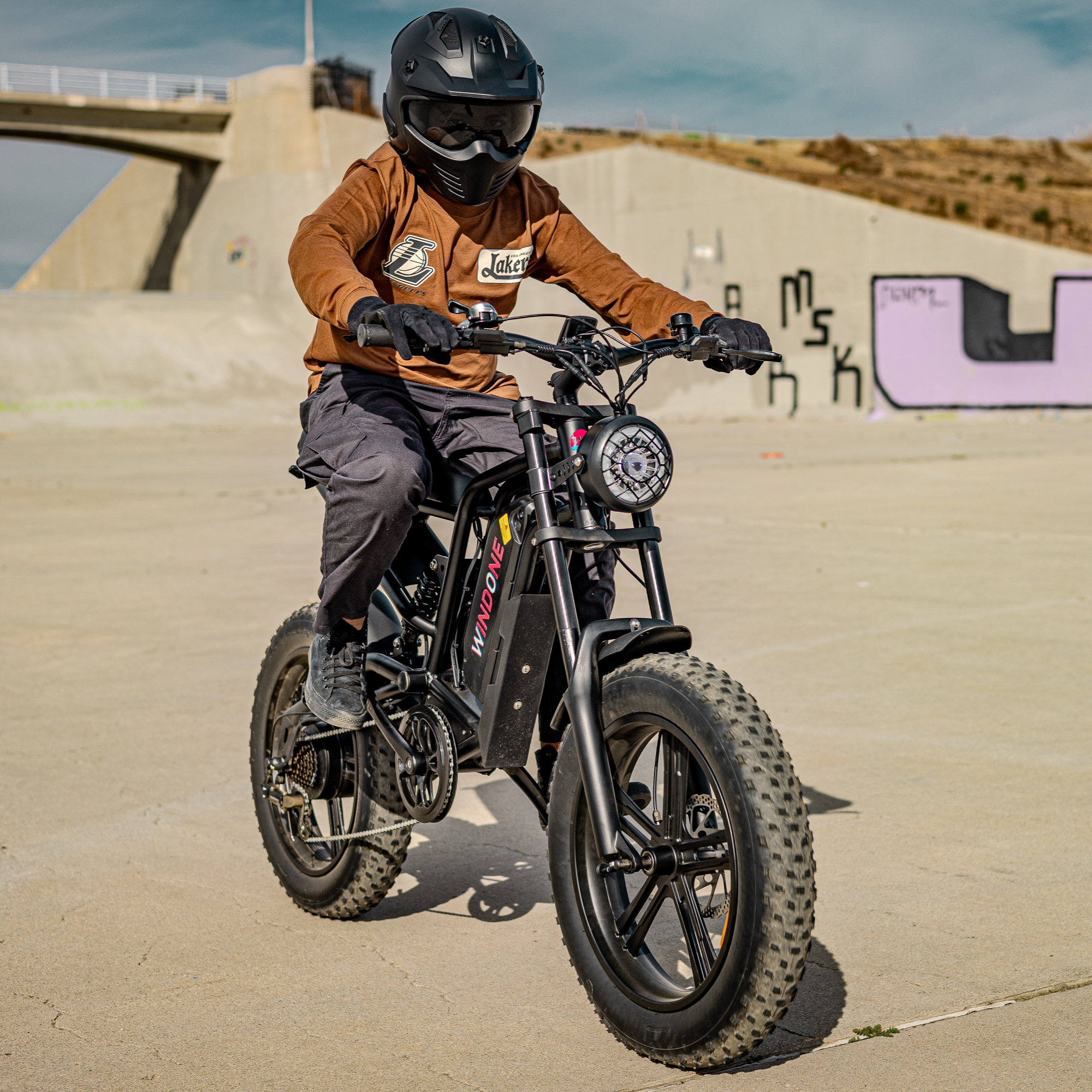
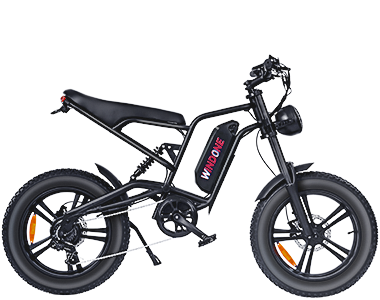
Windone designed both the RM7 and RS5 around mid-drive motor technology because these bikes are built for serious off-road performance rather than basic transportation.
A centrally mounted motor provides several advantages that align with the demands of dirt riding:
- Outstanding torque for steep climbs
- Balanced handling on uneven terrain
- Better traction on loose surfaces
- Improved stability during aggressive riding
- Efficient power delivery across varied trail conditions
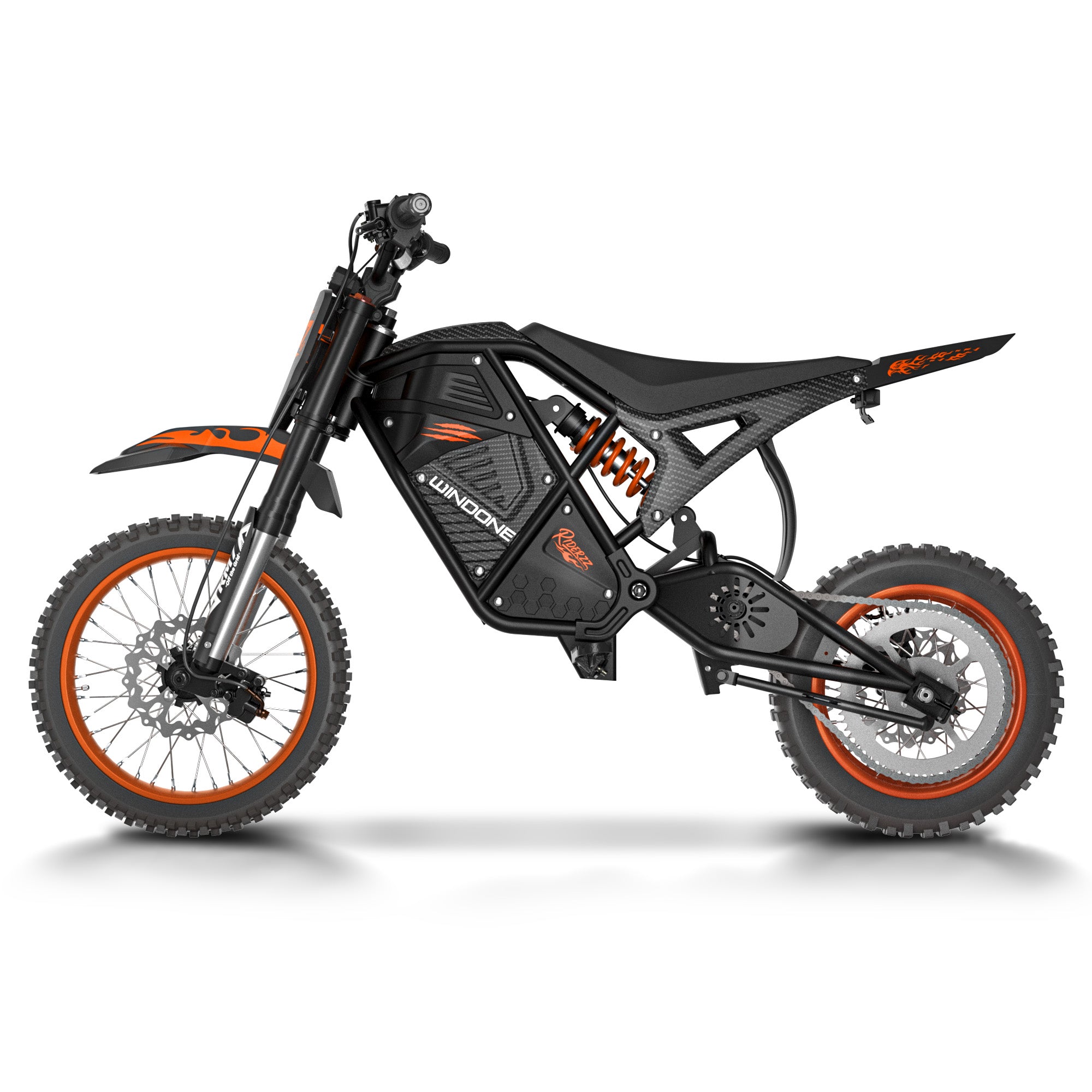
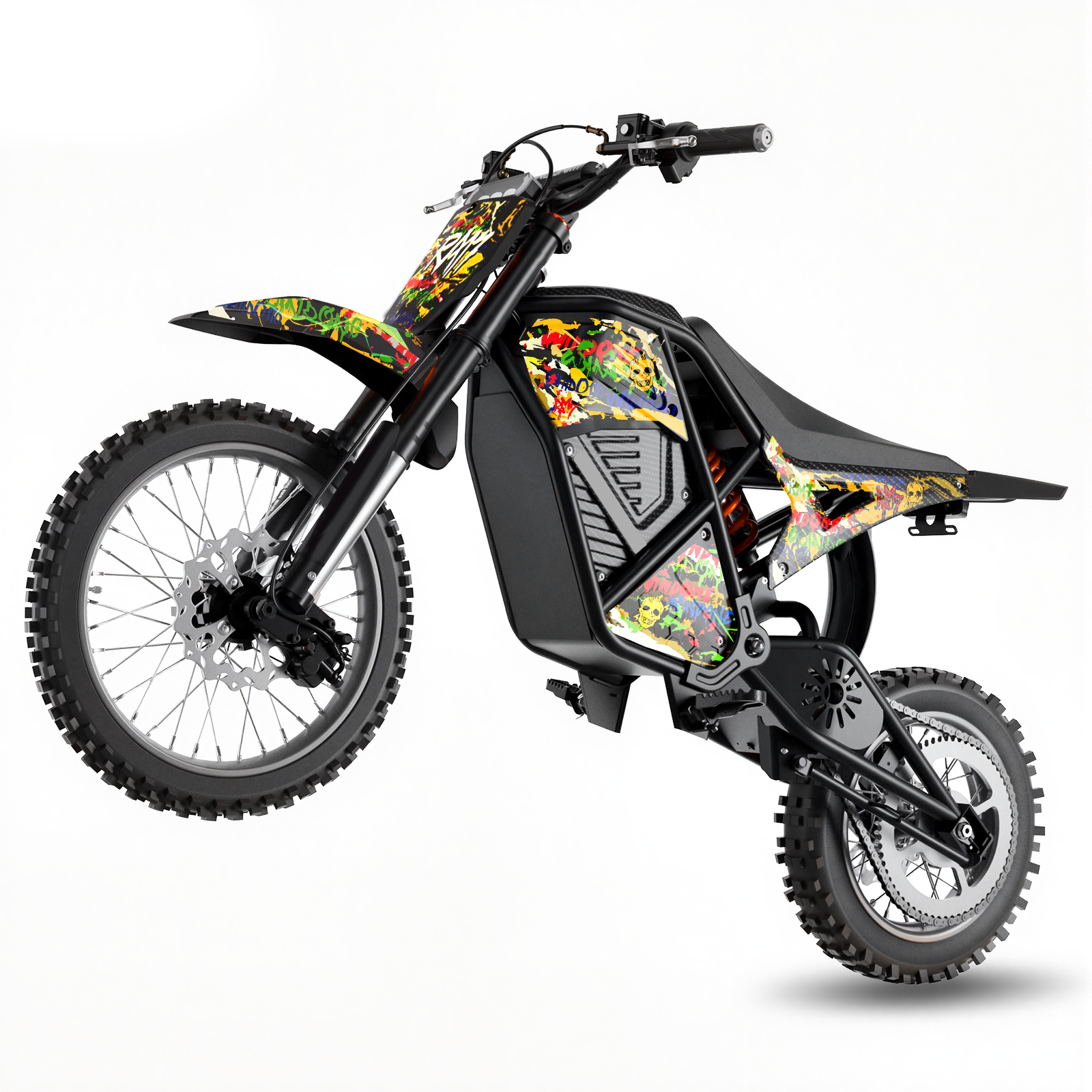
Windone RM7
The Windone RM7 features a powerful 2200W peak mid-drive motor, delivering impressive acceleration and climbing performance for riders tackling rugged trails. Combined with its long-range battery and full-suspension design, the mid-drive system helps maximize control and efficiency in demanding environments.

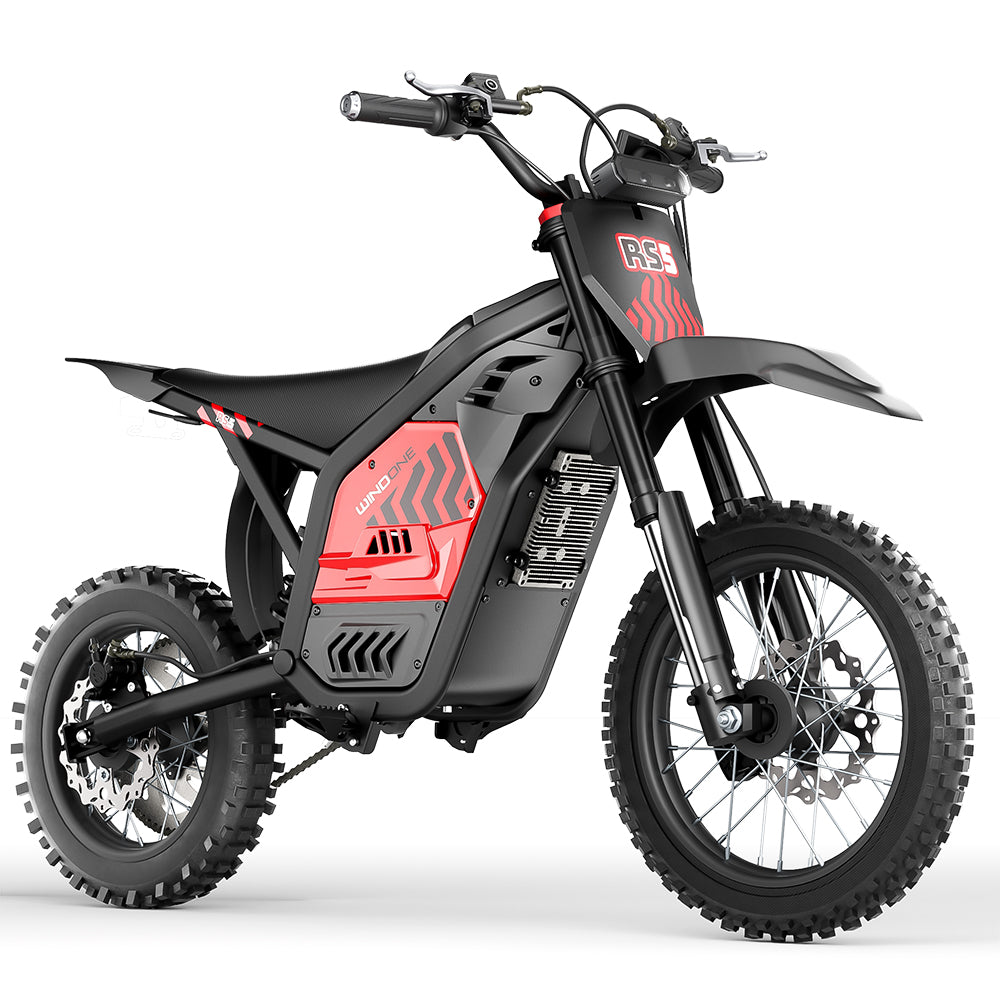
Windone RS5
The Windone RS5 also utilizes a 2200W peak mid-drive motor, giving riders responsive power delivery, balanced weight distribution, and the torque needed for technical terrain. Whether navigating forest trails, dirt tracks, or steep inclines, the mid-drive setup enhances confidence and overall ride quality.
By choosing mid-drive motors for both models, Windone prioritizes real-world off-road capability over simply maximizing top-speed figures.
Frequently Asked Questions
Is a mid-drive motor more powerful than a hub motor?
Not necessarily. Peak wattage can be similar, but a mid-drive motor often feels more powerful because it uses the drivetrain to multiply torque. This translates to stronger acceleration and better climbing ability, especially on steep or technical terrain.
Do mid-drive motors require more maintenance?
Yes. Since they transfer power through the chain and drivetrain, components such as chains and sprockets experience more wear than on hub-motor bikes. Regular cleaning, lubrication, and inspections help keep the system performing at its best.
Are hub motors good for off-road riding?
They can handle light trails and gravel paths, but for steep climbs, rocky terrain, or aggressive riding, hub motors generally can't match the torque, balance, and control of a mid-drive system.
Why do performance electric dirt bikes often use mid-drive motors?
Manufacturers often choose mid-drive motors for high-performance electric dirt bikes because they offer better weight distribution, stronger climbing capability, improved traction, and more efficient power delivery in challenging off-road conditions.
Final Thoughts
Both hub motors and mid-drive motors have their strengths, and the best choice depends on how and where you ride.
If your priority is affordable transportation on paved roads, a hub motor provides simple, reliable performance with minimal maintenance.
However, if you're looking for an electric dirt bike that can confidently tackle steep climbs, technical trails, and demanding off-road adventures, a mid-drive motor is the superior option. With better torque, balanced handling, and greater efficiency under load, it's the preferred choice for performance-focused riders.
That's why Windone equips both the RM7 and RS5 with mid-drive motors, delivering the power, control, and trail-ready capability riders expect when the terrain gets challenging.