
 Ebike Locks
 Phone Mount
 Payment
 Afterpay Financing
 Warranty
 Shipping Policy
 Exclusive Discounts
 Track Your Order
 Return & Refund
 Referrals & Membership
 User Manual
 Contact Us
 FAQs
FAQs
You know how far your electric dirt bike normally goes on a charge. Then one day, the battery seems to disappear much faster than usual.
Maybe you used to finish a familiar trail with plenty of charge left, but now you're reaching the end with the battery indicator flashing. Or perhaps your bike's range has gradually declined over time and has now become noticeably worse.
A sudden drop in range doesn't necessarily mean the battery has failed.
Electric dirt bike range can be affected by tire pressure, rider weight, terrain, riding speed, temperature, battery condition, braking, and even how the bike is stored and charged. Sometimes, the cause is something simple that you can check yourself.
If your electric dirt bike is suddenly going fewer miles per charge, start with these eight things.
How Much Range Should an Electric Dirt Bike Get?
Before troubleshooting, it's important to understand that the range shown by a manufacturer is usually a test-condition or estimated maximum, not a guaranteed distance for every rider.
Real-world range can vary considerably depending on:
- Rider weight
- Riding speed
- Terrain
- Elevation changes
- Tire pressure
- Riding mode
- Acceleration
- Temperature
- Battery age and condition
- Surface conditions
- Wind
- Payload
For example, riding slowly on relatively flat terrain will generally use less energy than aggressive riding on steep, loose trails.
So the first question isn't necessarily:
“Why doesn't my bike achieve the advertised range?”
Instead, ask:
“Why is my bike getting significantly less range than it used to under similar conditions?”
If your riding conditions haven't changed but your range has dropped noticeably, troubleshooting makes sense.
1. Check Your Tire Pressure
One of the easiest things to overlook is also one of the easiest to fix: tire pressure.

Underinflated tires create more rolling resistance. Your electric dirt bike's motor then has to work harder to maintain speed, which can increase battery consumption.
This can be especially noticeable when riding on relatively firm surfaces such as:
- Packed dirt
- Gravel
- Hard trails
- Pavement
However, tire pressure isn't simply a case of "more is better."
Dirt bikes are designed to operate across different surfaces, and tire pressure should be set according to the manufacturer's recommendations and your riding conditions.
What to do
Check both tires before riding and compare the pressure with the manufacturer's recommended range.
Also inspect the tires for:
- Slow leaks
- Punctures
- Damaged valve stems
- Excessive wear
- Embedded objects
If you repeatedly need to add air, don't simply keep inflating the tire. Find the source of the leak.
Quick takeaway: A tire that is losing pressure can make your electric dirt bike work harder and reduce range.
2. Think About How You're Riding
If your range dropped after you changed your riding style, the battery may be perfectly healthy.
Electric motors consume more energy when you repeatedly demand high power.
Aggressive riding can include:
- Hard acceleration
- High-speed riding
- Frequent stop-and-go riding
- Steep hill climbs
- Riding continuously at high power
- Frequent use of the highest riding mode
For example, accelerating hard out of every corner requires significantly more energy than maintaining a steady, moderate speed.
This doesn't mean you need to ride slowly all the time. That's not what a dirt bike is for.
Instead, recognize that performance and range are connected.
Try a simple comparison
If you normally ride aggressively, try riding the same route at a moderate pace while avoiding unnecessary full-throttle acceleration.
If your range improves substantially, your riding style is likely contributing to the difference.
Quick takeaway: More power, higher speeds, and aggressive acceleration generally mean more battery consumption.

3. Consider the Terrain
Not all miles are equal.
An electric dirt bike may consume much more energy climbing a steep trail than traveling the same distance on relatively flat ground.
Terrain that can increase energy consumption includes:
- Steep hills
- Loose sand
- Deep dirt
- Mud
- Rocks
- Rough trails
- Repeated climbs and descents
Loose surfaces are particularly demanding because the tires may have to work harder to maintain traction.
Elevation matters too. If your usual riding route has recently changed from relatively flat terrain to a trail with repeated climbs, a lower range is expected.
Don't compare different rides by mileage alone
A 10-mile flat ride and a 10-mile technical trail can place very different demands on the motor and battery.
For more useful comparisons, compare rides with similar:
- Terrain
- Distance
- Speed
- Weather
- Riding mode
- Rider load
Quick takeaway: A more demanding trail can reduce range even when the distance is the same.
4. Check the Temperature
Battery performance can change with temperature.
Cold conditions can temporarily reduce the amount of energy a battery can deliver, which means you may notice shorter range during winter riding.
Extreme heat can also create problems. Batteries and other electrical components have specified operating and charging temperature ranges, and excessive heat can affect performance and battery health.
For riders in colder parts of the US, this is particularly relevant during winter.
If your electric dirt bike performed normally during warmer months but suddenly has significantly less range in cold weather, temperature may be part of the explanation.
What you can do
- Store the bike according to the manufacturer's temperature recommendations.
- Avoid charging a battery outside its specified temperature range.
- Allow a battery that is extremely cold or hot to return to an appropriate temperature before charging or riding, following the manufacturer's instructions.
- Avoid leaving the bike exposed to extreme temperatures for extended periods.
A temporary cold-weather range reduction doesn't necessarily mean your battery is permanently damaged.
Quick takeaway: Temperature can influence battery performance, particularly in very cold or hot conditions.

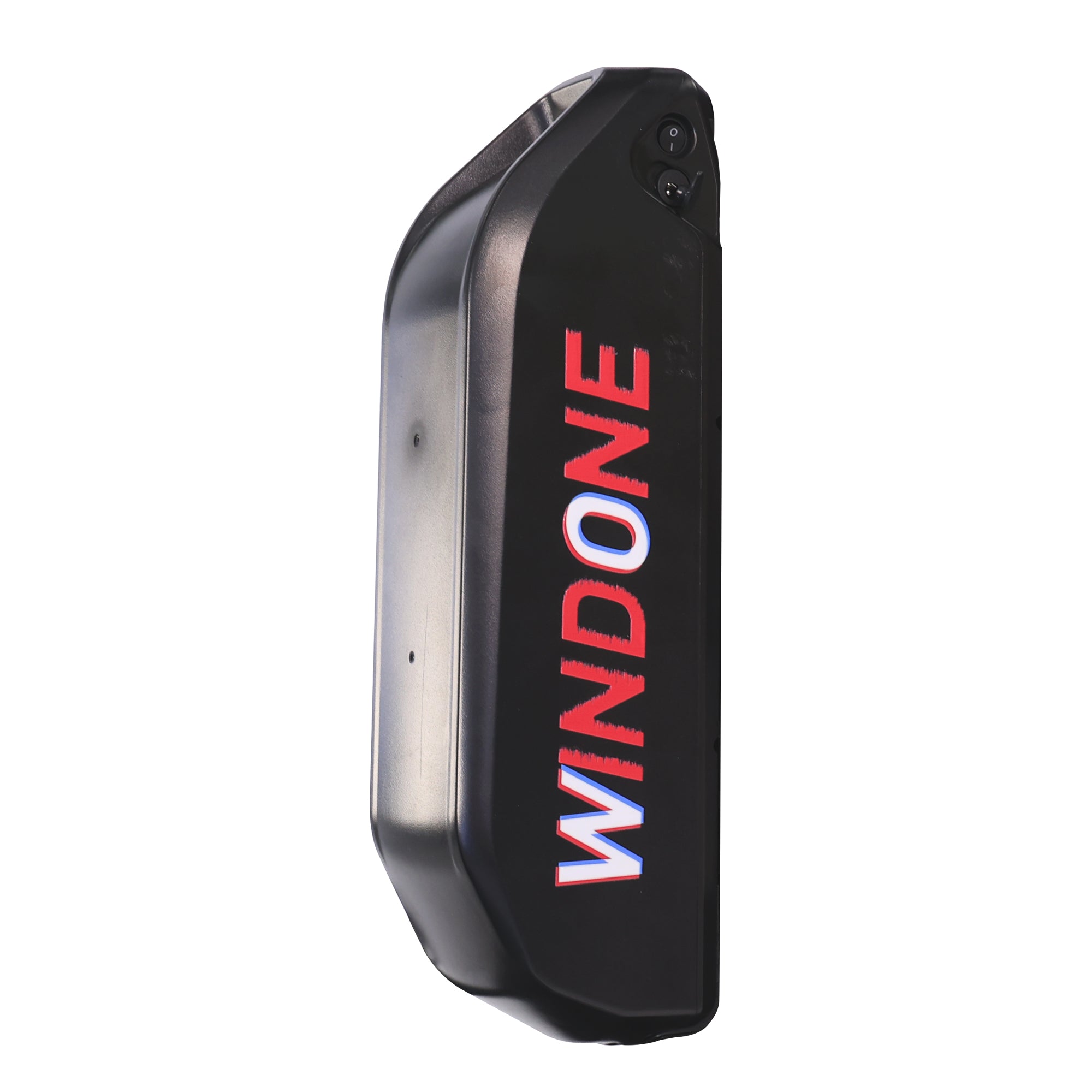
5. Look at the Battery's Age and Condition
If your electric dirt bike is several years old and the range has gradually decreased, battery aging becomes a more likely explanation.
Rechargeable lithium-ion batteries don't maintain their original capacity forever. Over many charging cycles, their ability to store energy gradually decreases.
Signs that battery aging may be contributing to reduced range include:
- Noticeably shorter range over time
- Faster-than-normal battery percentage drops
- The battery reaching low charge sooner than it used to
- Reduced performance under load
- The bike being stored or used in harsh conditions over a long period
However, a sudden and dramatic range drop is different from normal gradual battery degradation.
If your range changed significantly from one ride to the next, don't immediately assume the battery has reached the end of its useful life.
Check the simpler possibilities first.
If the battery shows signs of physical damage, swelling, unusual heat, leakage, or other abnormal behavior, stop using it and follow the manufacturer's safety instructions.
Quick takeaway: Gradual capacity loss can be normal as a battery ages, but sudden severe changes deserve further investigation.
6. Make Sure the Battery Is Actually Charging Fully
Sometimes the problem isn't how quickly the battery is being used. It's that the battery isn't starting the ride fully charged.
Check whether:
- The charger indicates a complete charge.
- The charging connector is properly connected.
- The charging port is clean and undamaged.
- The battery is properly seated, if removable.
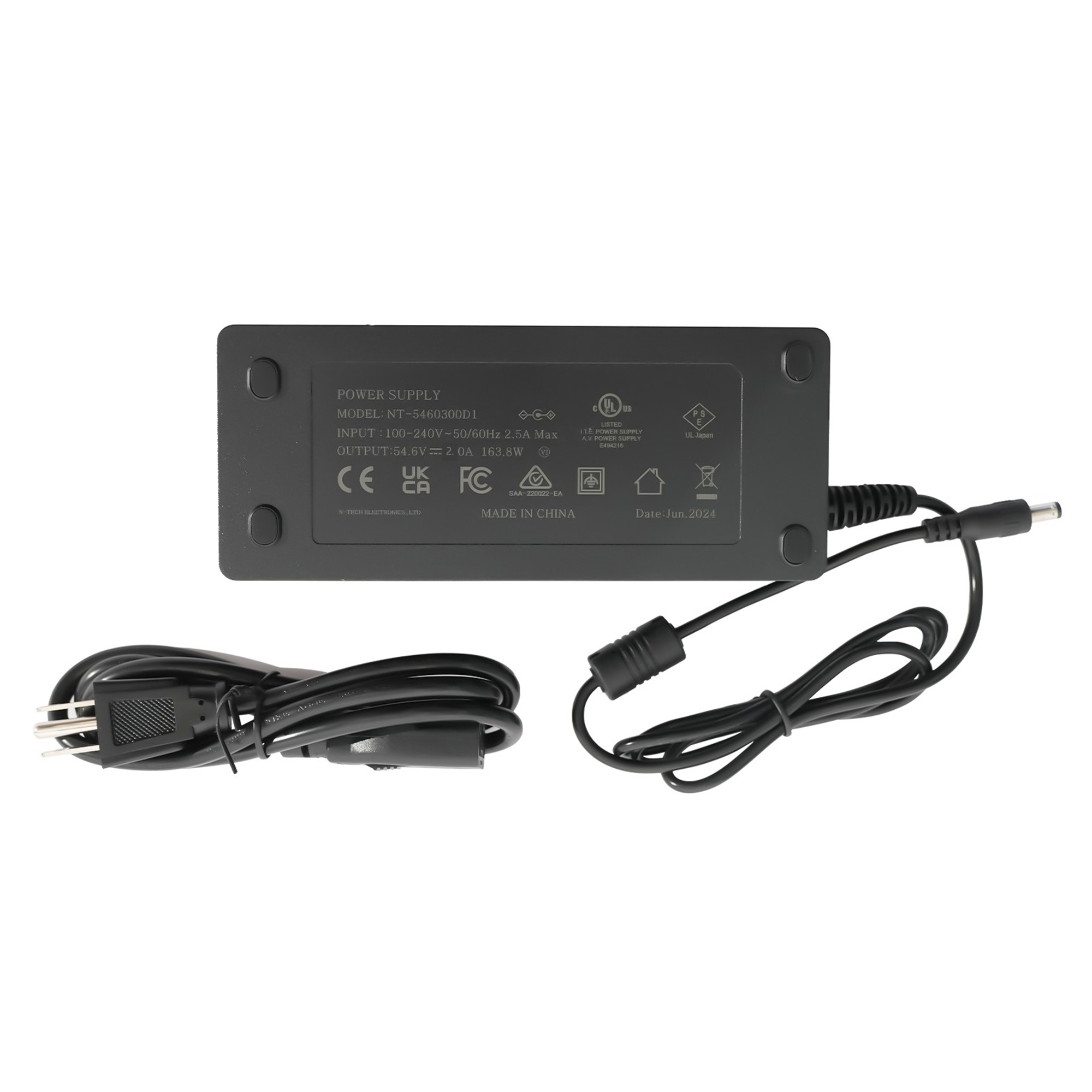
- The charger is the correct model or specification for your bike.
- The charging process stops normally.
- The battery indicator behaves as expected.
If your bike previously started every ride at 100% but now stops charging prematurely, the issue could involve the charger, charging connection, battery, or charging system.
Don't ignore unusual charging behavior
If the charger becomes abnormally hot, makes unusual noises, smells unusual, or shows unexpected indicator behavior, stop using it and consult the manufacturer's support team.
Never attempt to modify or repair a lithium-ion battery yourself unless you are specifically qualified and the manufacturer authorizes the procedure.
Quick takeaway: A battery that isn't reaching a full charge will naturally give you less riding time.
7. Check for Mechanical Resistance
Your motor isn't the only component that affects range.
If something is creating unnecessary mechanical resistance, the motor may need to use more energy to keep the bike moving.
Check for:
Dragging brakes
After riding, carefully check whether a brake component appears to be rubbing continuously.
Don't touch components that may be hot.

Wheel issues
Make sure the wheels rotate normally and there isn't obvious resistance, damage, or misalignment.
Chain and drivetrain condition
On models equipped with a chain-driven system, a poorly maintained drivetrain can increase mechanical losses.
Look for:
- Excessive chain slack
- Poor lubrication
- Dirt buildup
- Damaged components
- Unusual noises
- Tire problems
A damaged or severely worn tire can also affect rolling resistance and handling.
If your bike feels harder to push than usual when powered off, that's a useful clue that something mechanical may be adding resistance.
Quick takeaway: If the bike is physically harder to roll, investigate mechanical resistance before blaming the battery.
8. Check Your Rider Weight and Cargo
Range estimates are usually based on specific test conditions.
Adding weight increases the amount of energy required to accelerate and climb.
That means range can change if you've recently started carrying:
- A backpack
- Tools
- Protective equipment
- Extra gear
- Other equipment
Rider weight also matters.
If you're comparing your current range with an old test from a lighter rider or a different setup, the numbers won't necessarily be directly comparable.
This is particularly important for electric dirt bikes designed for recreational trail riding, where riders may carry significantly different amounts of gear.
Quick takeaway: More total weight means the motor has more work to do, especially when accelerating and climbing.
Why Did My Electric Dirt Bike Range Drop Suddenly?
If the range changed very quickly, prioritize the simplest explanations before assuming the battery is failing.
Use this checklist:
| What changed? | Possible effect on range |
| Lower tire pressure | Higher rolling resistance |
| Faster riding | Higher energy consumption |
| More aggressive acceleration | Higher energy consumption |
| Steeper terrain | More motor power required |
| Loose or muddy trails | Higher energy consumption |
| Colder weather | Reduced battery performance |
| Heavier rider/load | More energy required |
| Battery not fully charged | Less available energy |
| Older battery | Reduced capacity |
| Brake or drivetrain drag | Increased mechanical resistance |
The most useful clue is often what changed at the same time the range changed.

A Simple Electric Dirt Bike Range Test
If you're unsure whether your range has actually deteriorated, you can perform a basic comparison test.
Step 1: Fully charge the battery
Use the correct charger and follow the manufacturer's charging instructions.
Step 2: Check the tires
Set them to the recommended pressure for your riding conditions.
Step 3: Choose a familiar route
Ideally, use a route you've ridden before.
Step 4: Ride consistently
Try to keep your speed, riding mode, and acceleration reasonably similar.
Step 5: Record the results
Note:
- Starting battery level
- Distance traveled
- Ending battery level
- Temperature
- Terrain
- Riding mode
- Approximate rider/load weight
Step 6: Repeat if necessary
One unusual ride doesn't necessarily indicate a problem.
If the same conditions repeatedly produce significantly shorter range, you have much better evidence that something has changed.
Advertised Range vs. Real-World Range
It's worth repeating: advertised range is not a guarantee of real-world riding distance.
Manufacturers typically measure range under controlled conditions. Your actual results may differ because of variables such as:
- Speed
- Rider weight
- Terrain
- Temperature
- Wind
- Tire pressure
- Riding style
- Battery condition
- Riding mode
For that reason, don't judge your electric dirt bike's health based solely on whether you reach the manufacturer's maximum advertised mileage.
Instead, pay attention to changes in your own normal riding conditions.
If you consistently got 30 miles from a particular route and suddenly get 20 miles under nearly identical conditions, that's much more meaningful than comparing your result with a maximum advertised figure.

When Should You Contact Windone Support?
If you've checked the basic factors and your electric dirt bike still has significantly reduced range, it may be time to contact Windone support.
Have the following information ready:
- Model name
- Approximate battery age
- Approximate number of charging cycles, if known
- Typical riding distance
- Typical riding conditions
- Recent temperature conditions
- Tire pressure
- Charging behavior
- Any unusual sounds or performance changes
- Photos or videos if relevant
This information can make troubleshooting much easier.
Don't attempt to open, modify, or repair the battery pack yourself. Lithium-ion batteries contain significant stored energy and should be serviced according to the manufacturer's procedures.
Frequently Asked Questions
Why is my electric dirt bike losing range so quickly?
Common causes include underinflated tires, aggressive riding, higher speeds, steep or loose terrain, cold temperatures, additional weight, incomplete charging, battery aging, and mechanical resistance.
Start by checking the simplest factors before assuming the battery needs replacement.
Does cold weather reduce electric dirt bike range?
Yes. Cold temperatures can temporarily reduce lithium-ion battery performance, which may result in shorter range. Follow the manufacturer's recommendations for operating, storing, and charging the battery in cold conditions.
Can low tire pressure reduce electric dirt bike range?
Yes. Underinflated tires generally increase rolling resistance, which can require more energy from the motor.
How long should an electric dirt bike battery last?
Battery lifespan varies depending on battery chemistry, usage, charging habits, storage conditions, temperature, and other factors. A battery's capacity normally decreases gradually over time rather than remaining at its original capacity indefinitely.
Why does my electric dirt bike lose range on hills?
Climbing requires more energy because the motor is working against gravity. Repeated steep climbs can therefore consume significantly more battery energy than riding the same distance on flat terrain.
Should I replace my battery if range suddenly drops?
Not necessarily. First check tire pressure, riding conditions, temperature, charging behavior, mechanical resistance, and other possible causes. If the problem persists, contact the manufacturer or a qualified service professional for diagnosis.