
 Ebike Locks
 Phone Mount
 Payment
 Afterpay Financing
 Warranty
 Shipping Policy
 Exclusive Discounts
 Track Your Order
 Return & Refund
 Referrals & Membership
 User Manual
 Contact Us
 FAQs

Winter doesn't necessarily mean putting your electric dirt bike away until spring. In many parts of the United States, mild winter days offer opportunities to explore off-road trails, ride on private property, and enjoy outdoor adventures without summer heat.
However, cold temperatures, slippery terrain, and shorter daylight hours introduce challenges that riders shouldn't overlook. Your electric dirt bike may deliver less range in the cold, tires may struggle for grip on snow or frozen ground, and charging a cold battery incorrectly can cause damage.
The good news? With the right preparation and riding habits, you can make cold-weather rides more manageable while protecting your bike throughout the winter season.
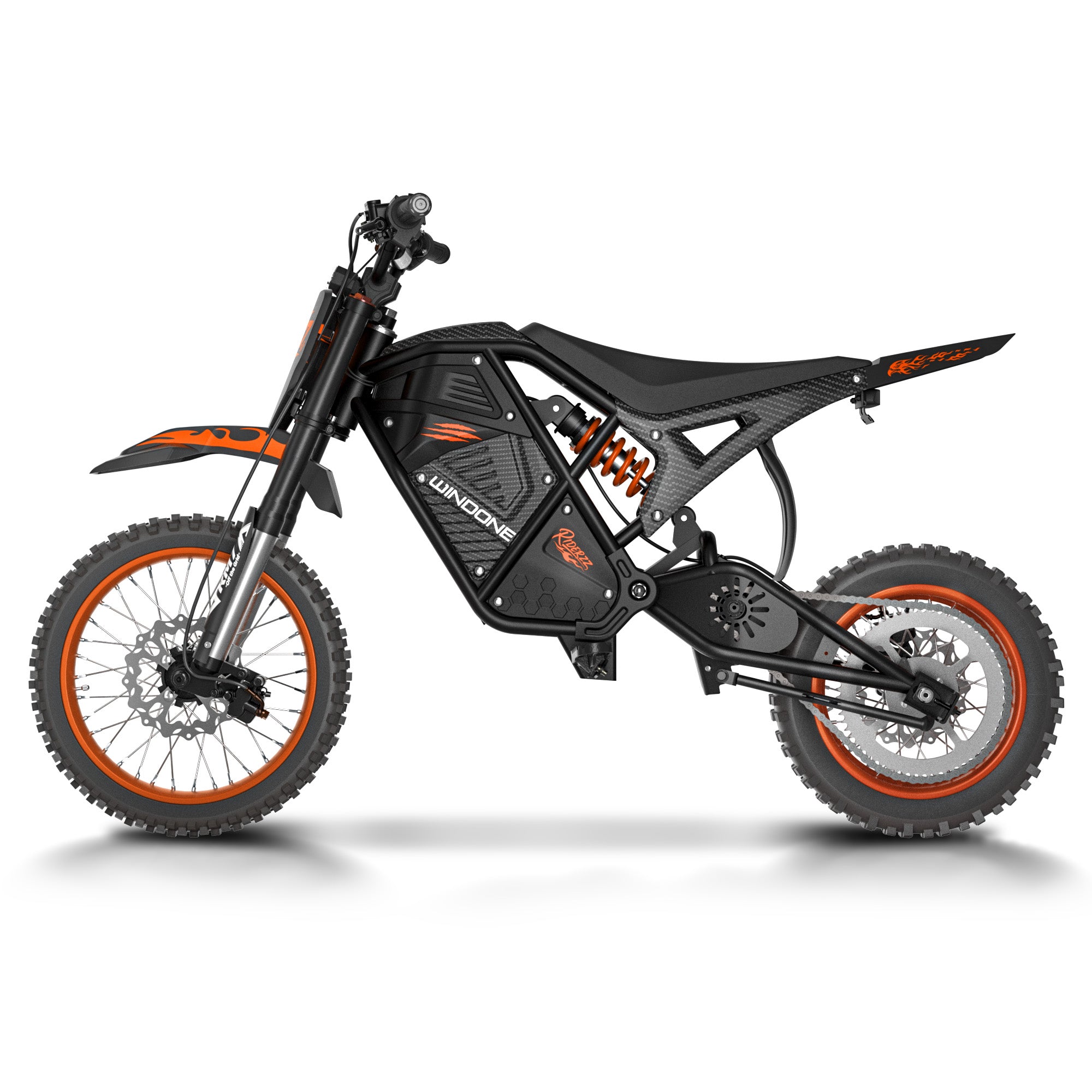
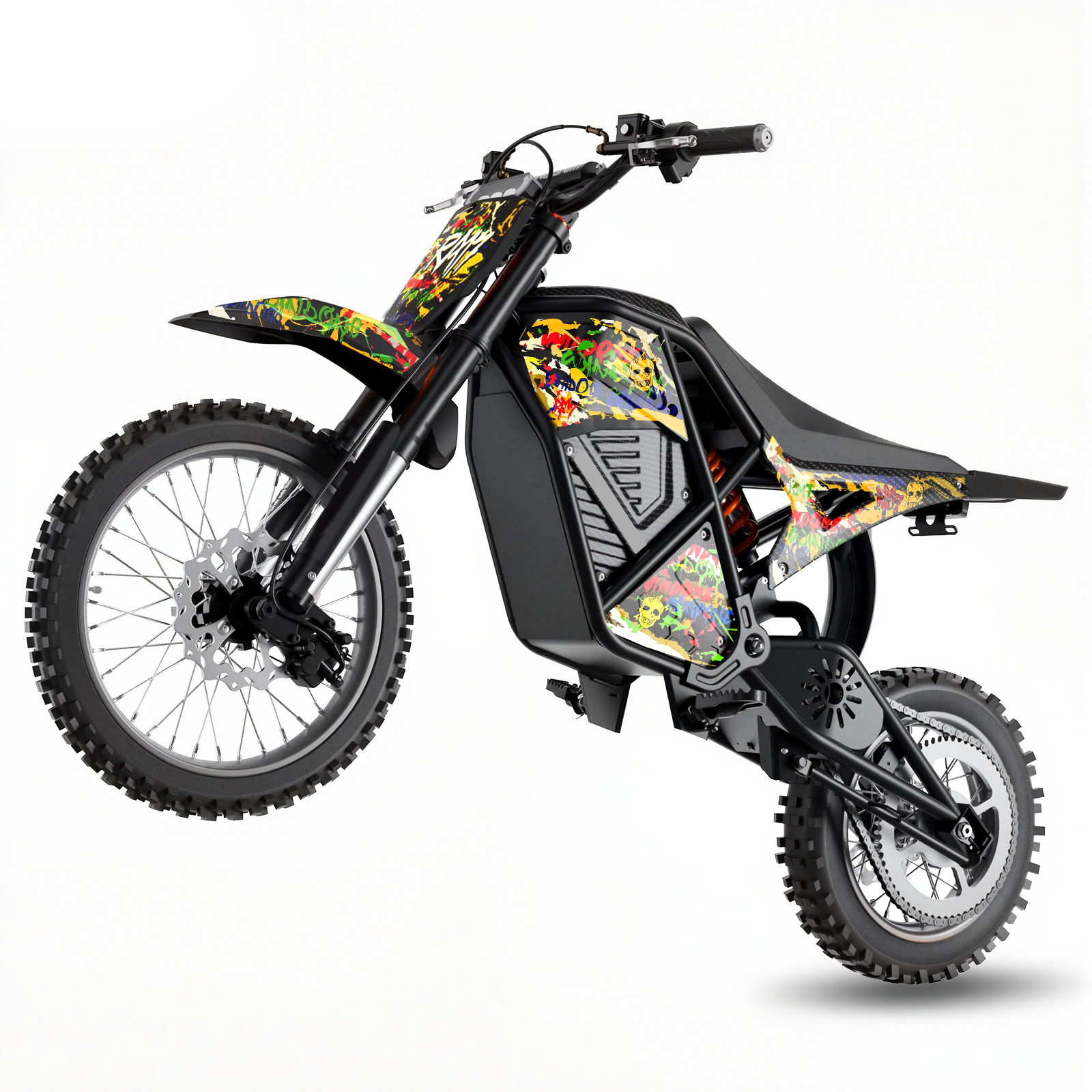
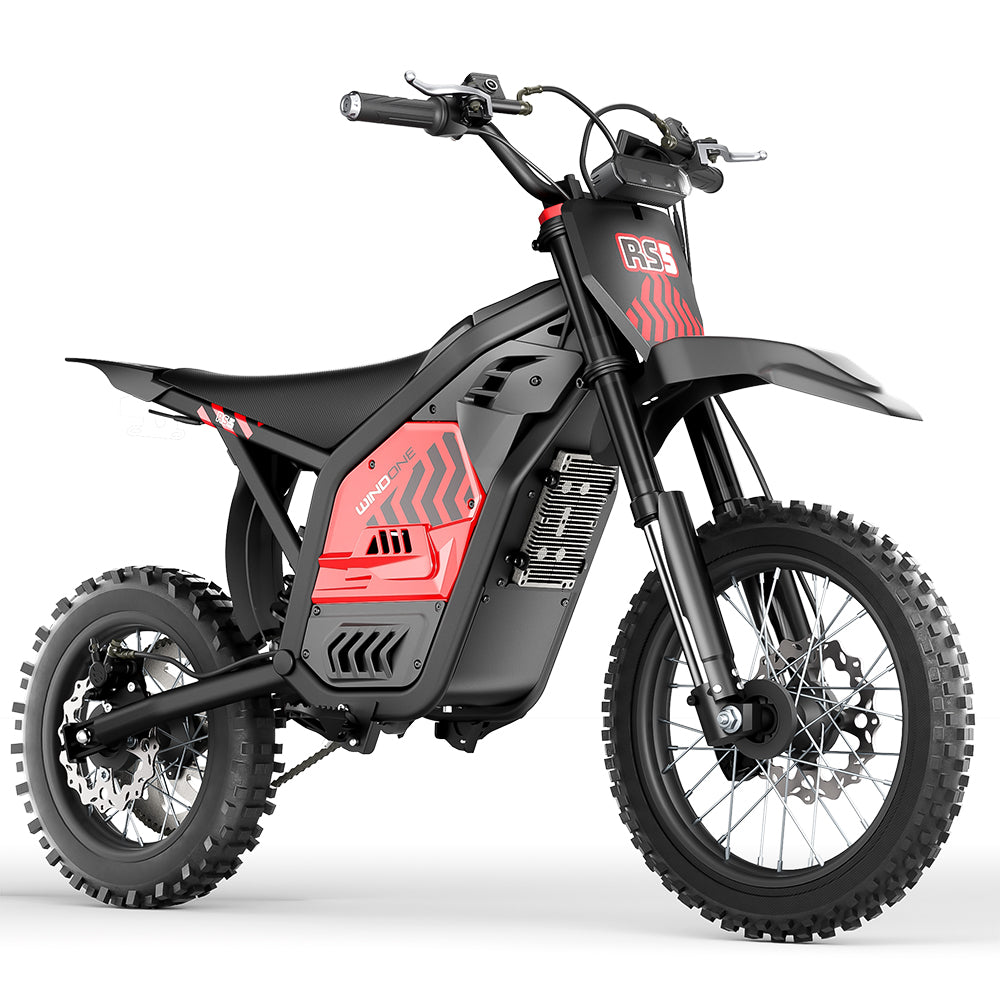
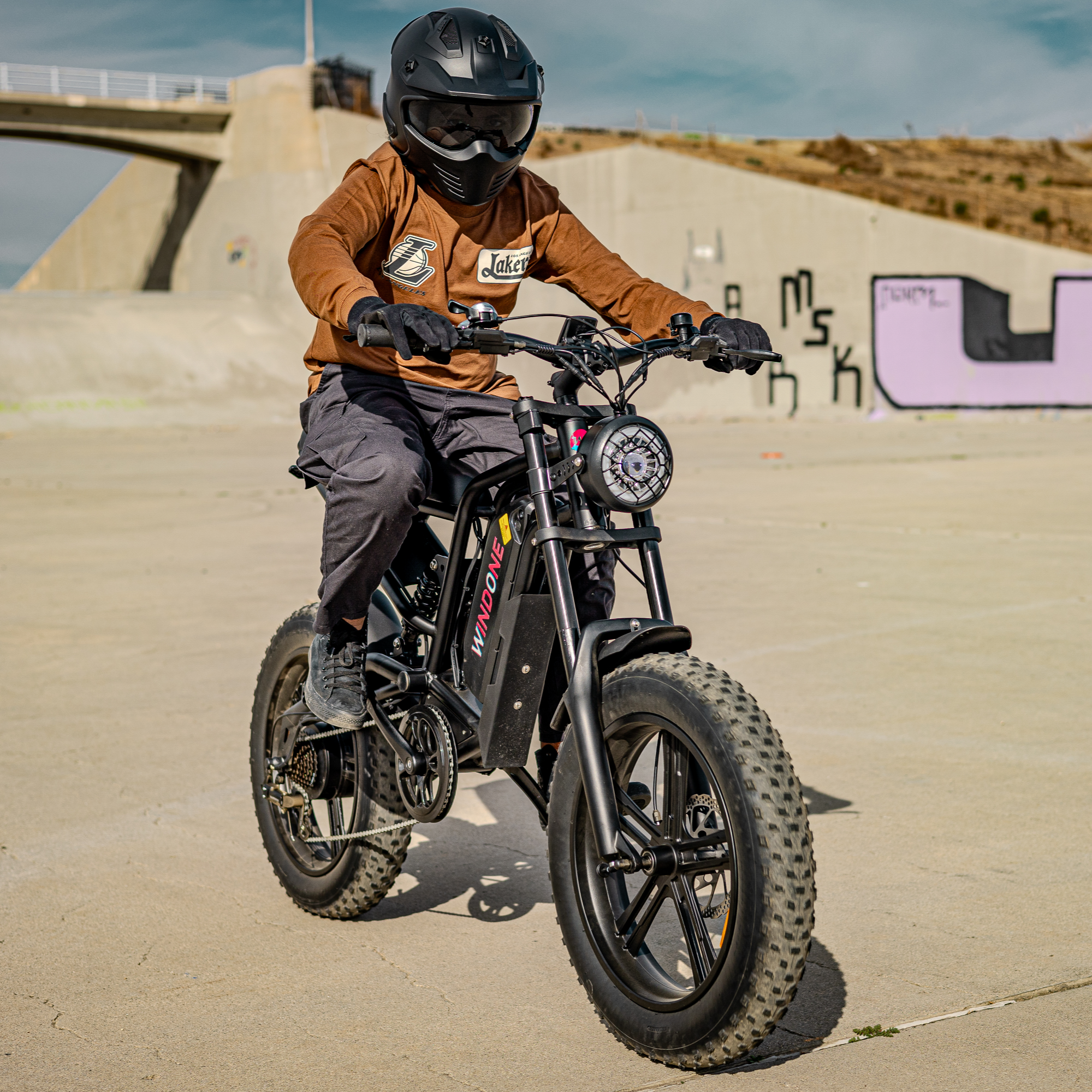
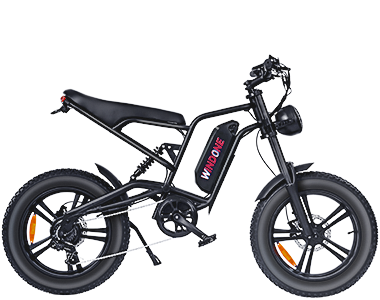
Whether you're riding a Windone RM7, RS5, or another electric dirt bike, these winter riding tips will help you prepare for colder conditions, maintain better control, and take care of your bike before and after every ride.
Can You Ride an Electric Dirt Bike in Winter?
Yes, you may be able to ride an electric dirt bike in winter, provided the weather, terrain, and operating conditions are suitable for your particular model.
Unlike gas-powered dirt bikes, electric dirt bikes don't require engine warm-up procedures or conventional engine oil changes. However, their lithium-ion batteries, tires, brakes, electrical components, and other parts still need attention in cold and wet conditions.
Before heading out, keep three important considerations in mind:
- Temperature: Cold weather can reduce battery performance and available riding range. Always check your manufacturer's operating-temperature limits.
- Traction: Snow, ice, frozen mud, and wet leaves can make acceleration, braking, and cornering less predictable.
- Moisture: Rain, melting snow, and slush can expose electrical connections and mechanical components to moisture.
Winter riding is not appropriate in every condition. Avoid icy trails, freezing rain, deep snow, or terrain where you cannot maintain reliable control. Also, don't assume a bike is suitable for snow or subzero temperatures simply because it is marketed for off-road riding.
Check your owner's manual for model-specific limitations before deciding whether to ride.

1. Protect Your Electric Dirt Bike Battery From the Cold
Battery care is one of the most important parts of winter electric dirt bike maintenance.
Lithium-ion batteries generally deliver less usable energy in low temperatures. Depending on the battery, temperature, terrain, and riding style, you may notice reduced range or less responsive power delivery compared with riding in warmer weather.
Cold-weather performance varies, so there is no single percentage that accurately describes range loss for every electric dirt bike.
Store the battery in an appropriate environment
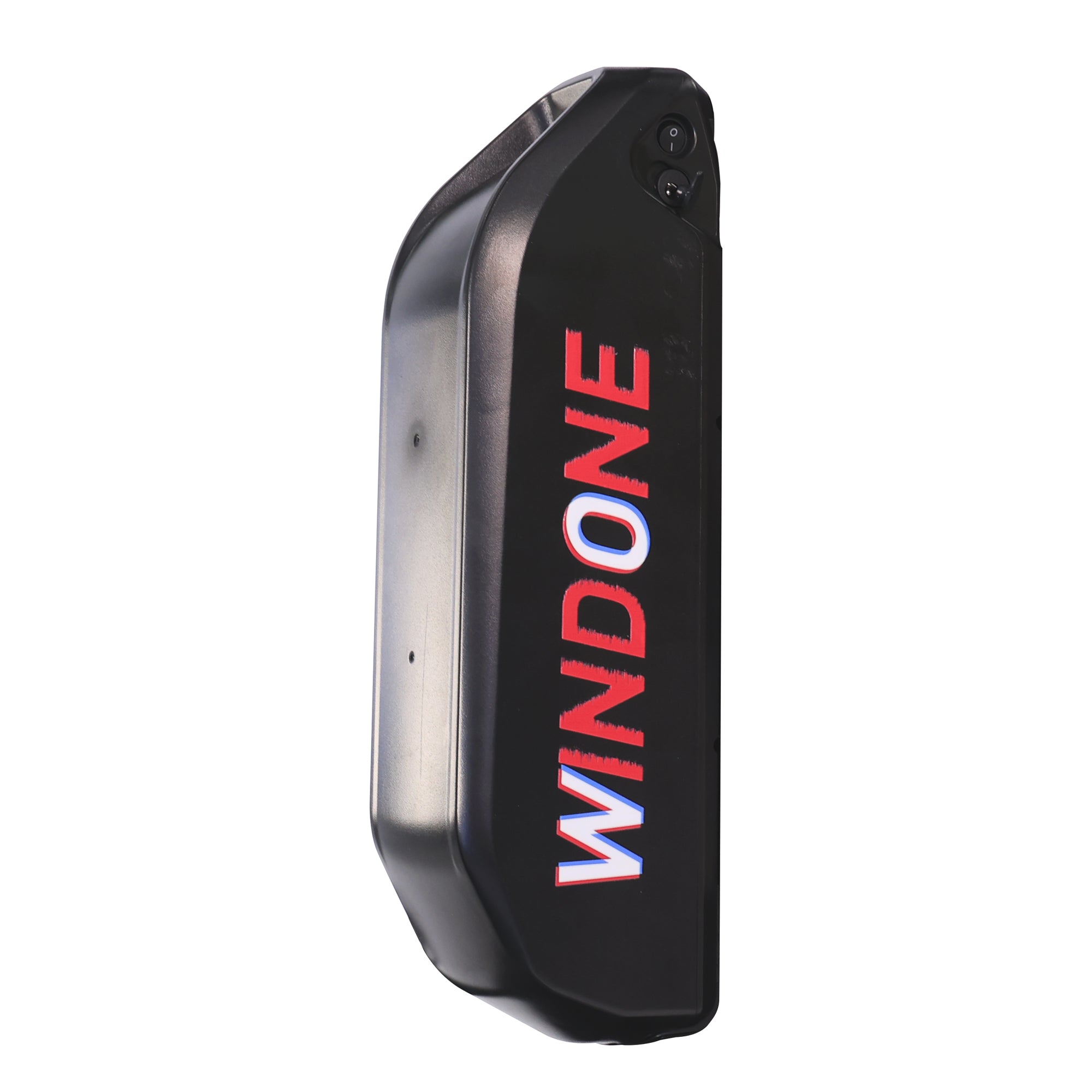
If your bike has a removable battery, store it according to the manufacturer's recommendations when the bike isn't in use. A temperature-controlled indoor space may be preferable to an unheated garage or outdoor shed during freezing weather.
If the battery isn't removable, follow the manufacturer's instructions for storing the entire bike.
Keep the battery away from direct sunlight, freezing conditions, excessive heat, moisture, and combustible materials. Don't modify the battery enclosure or electrical system to try to improve cold-weather performance.
Allow a cold battery to warm naturally
If your bike or battery has been sitting in very cold conditions, let it return to the temperature range specified by the manufacturer before charging.
Never use a hair dryer, space heater, heating pad, or other direct heat source to warm the battery quickly.
Check the battery before leaving
Start with a sufficient charge and plan your route conservatively. If your battery is cold, don't assume the charge percentage alone tells you exactly how far you can travel.
Winter tip: Plan a shorter route than you would in summer, and leave enough battery reserve to return safely if range or power delivery is lower than expected.
2. Know When It's Safe to Charge Your Battery
Charging practices matter just as much as riding habits in cold weather.
Charging a lithium-ion battery below its permitted temperature can damage the cells. The safe charging range varies by battery design, so always follow your Windone owner's manual rather than relying on a universal temperature threshold.
Use these guidelines:
- Let a cold battery warm naturally into its approved charging-temperature range.
- Allow the battery to cool after demanding riding if the manufacturer recommends doing so before charging.
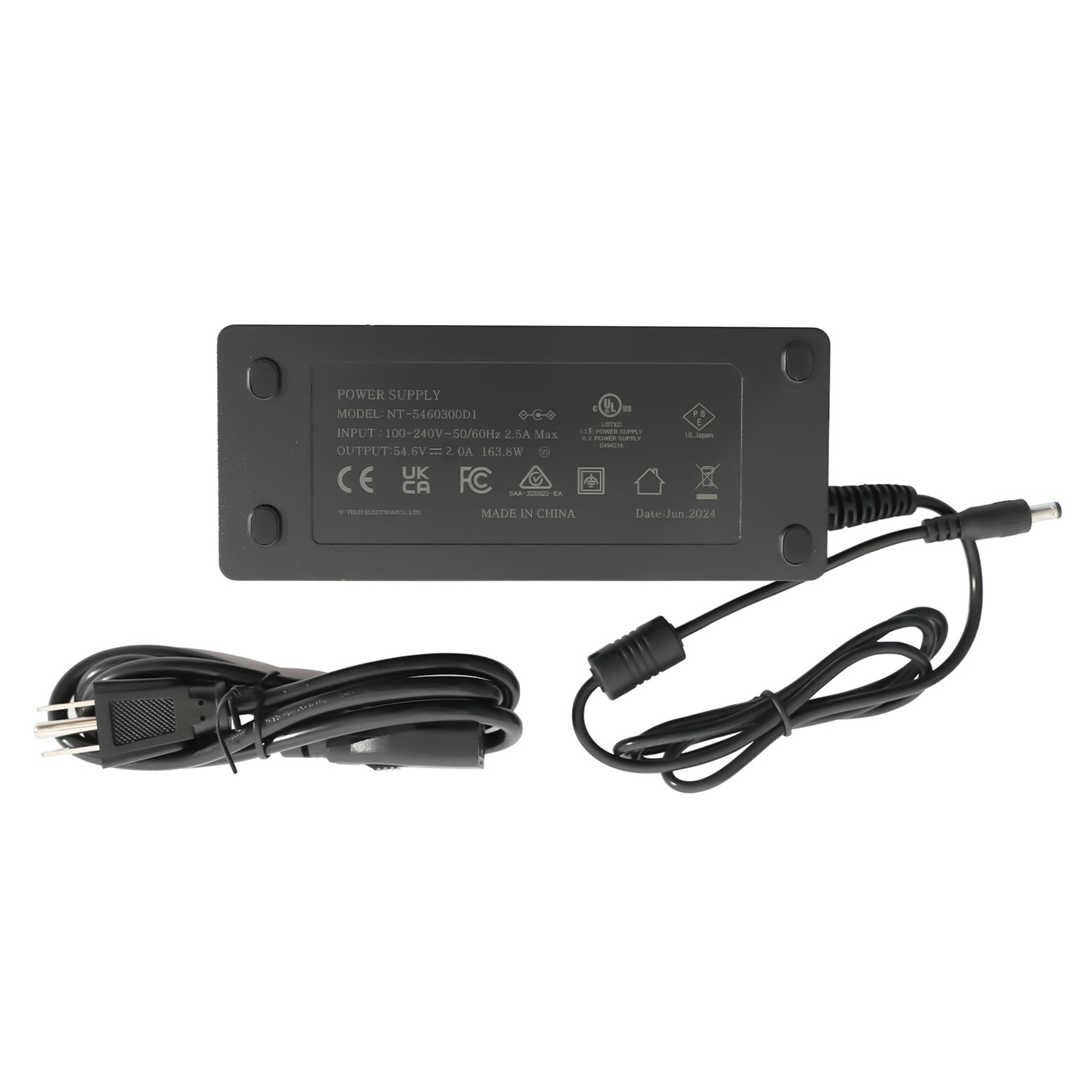
- Use the charger specified for your bike.
- Charge in a dry, appropriate location, following the manufacturer's fire-safety instructions.
- Check the battery, charger, and connectors for visible damage before charging.
- Never charge a swollen, leaking, damaged, or unusually hot battery.
Avoid leaving a battery connected to a charger indefinitely unless the manufacturer explicitly permits that charging arrangement.

If you're storing your electric dirt bike for several weeks or months, follow the recommended storage charge level and maintenance schedule. The ideal storage charge is model-specific; keeping every battery fully charged or completely depleted for an extended period is not a good universal storage strategy.
3. Check Tire Pressure and Condition Before Every Ride
Cold temperatures can lower tire pressure, and the wrong pressure can affect handling, tire protection, and traction.
Before heading onto a winter trail, inspect both tires and check their pressure against the manufacturer's recommendations.
Look for:
- Cuts, cracks, or unusual wear
- Embedded rocks or other debris
- Damaged sidewalls
- Loose or damaged tire components
- Pressure outside the recommended range
Don't automatically reduce tire pressure to improve grip on snow. Lower pressure may help in certain off-road conditions, but excessive pressure reduction can increase the risk of tire damage and compromise handling.
If you ride on a mixture of dirt, packed snow, and other surfaces, follow the tire manufacturer's guidance for your particular setup.
Most importantly, remember that appropriate tire pressure cannot make an icy surface safe. If you cannot maintain reliable traction, choose a different route or postpone the ride.
4. Adjust Your Riding Style for Snow, Mud, and Frozen Ground
Winter trails can look deceptively manageable. A thin layer of snow may conceal rocks, roots, ruts, or ice, while thawing conditions can turn familiar dirt paths into slippery mud.
Your best approach is to ride smoothly and leave more room for mistakes.
Accelerate gradually
Sudden throttle inputs can cause the rear tire to lose traction on loose or slippery surfaces. Apply power progressively, especially when climbing hills or leaving a corner.
Brake earlier
Wet dirt, packed snow, and frozen ground can reduce tire grip. Begin slowing down earlier than you normally would, and use smooth, controlled braking rather than abrupt inputs.
Practice braking at low speeds in a clear, suitable area before tackling more demanding terrain.
Take corners cautiously
Reduce speed before entering a turn. Avoid aggressive leaning, sudden steering changes, and rapid acceleration while cornering.

If a trail is too slippery to maintain control through a turn, don't try to push through it.
Choose familiar trails
Winter is not the ideal time to explore unfamiliar terrain at speed. Stick to routes you know, where you have a better understanding of slopes, obstacles, and possible exit points.
If snow or mud obscures the trail surface, slow down or turn back.
5. Avoid Ice and Conditions Beyond Your Bike's Capabilities
An electric dirt bike's off-road tires and suspension don't guarantee safe handling on snow or ice.
Ice is especially dangerous because it offers very little grip for both braking and steering. Even experienced riders can lose control unexpectedly.
Before riding, consider the actual condition of the surface rather than relying only on the weather forecast.
Avoid riding when:
- The trail is covered in ice or freezing rain.
- Snow is deep enough to conceal hazards or prevent reliable control.
- Slush or mud makes braking and steering unpredictable.
- Visibility is too poor to identify obstacles in time.
- Temperatures fall outside your bike's approved operating range.
- Local trail rules prohibit riding during winter conditions.
Also, don't assume that a waterproof rating makes a bike suitable for submersion, pressure washing, or prolonged exposure to melting snow. Water resistance varies by component and model.
Choose legal, designated riding areas and respect seasonal closures. Some trails close during winter or thaw periods to prevent erosion and surface damage.
6. Dress for Cold-Weather Riding
Even a relatively short ride can feel much colder when you're exposed to wind while moving.
Cold hands can make throttle control and braking more difficult. If your fingers become numb or you begin shivering, your ability to react may deteriorate.
Wear appropriate protective equipment and cold-weather layers, including:
- A properly fitted helmet: Choose a certified helmet appropriate for your type of riding.
- Eye protection: Use goggles or other suitable protection against wind, dust, and debris.
- Insulated riding gloves: Keep your hands warm without compromising your grip or ability to operate the controls.
- A wind-resistant jacket: Layer clothing to retain warmth while allowing comfortable movement.
- Long riding pants and knee protection: Protect your legs from cold, debris, and potential impacts.
- Elbow protection: Add appropriate protection for off-road riding.
- Durable riding boots: Choose footwear that protects your feet and ankles and provides suitable support.
Avoid bulky clothing that interferes with the controls or moving parts.

If you're riding with children or younger riders, make sure their protective gear fits correctly. Children can become cold more quickly than expected, so keep rides shorter and take regular breaks.
7. Check Brakes, Suspension, and the Drivetrain
Cold-weather preparation isn't just about the battery. Your bike's mechanical components also need to be in good condition before you ride.
Brakes
Check that both brakes engage normally and that the levers feel consistent. Look for visible damage, unusual noises, or other changes in braking performance.
Wet conditions can affect braking, so test the brakes carefully at low speed in a safe area before riding more aggressively.
Suspension
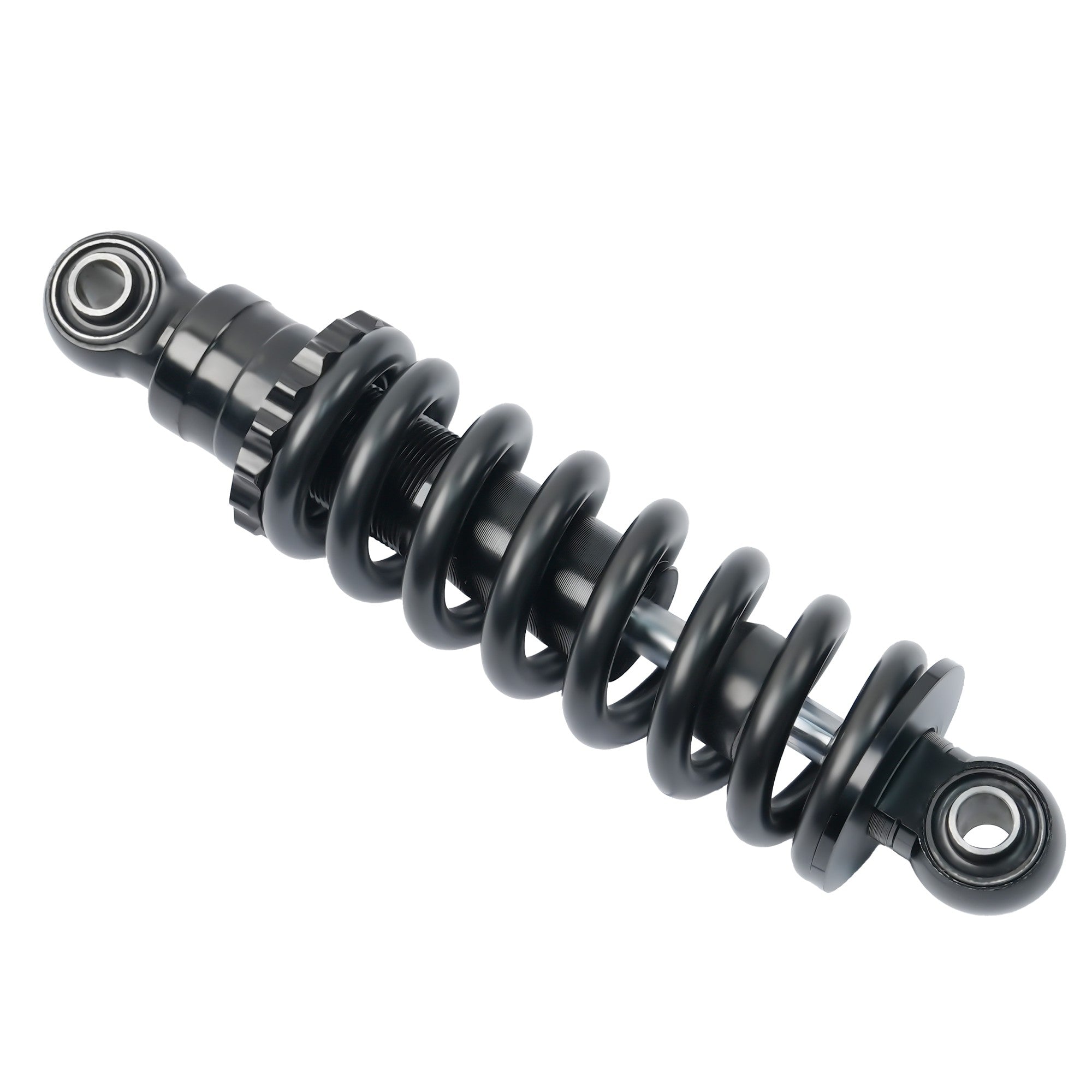
Inspect the fork, rear suspension, and surrounding components for visible damage or leaks. Remove accumulated mud and debris after riding.
If the suspension feels unusually stiff, makes unfamiliar noises, or behaves differently from normal, investigate the problem before continuing.
Chain and drivetrain
Mud, moisture, and grit can accelerate wear on the chain and other drivetrain components.
Before riding, check the chain tension and look for signs of damage or excessive wear. After a wet ride, clean and lubricate the chain using products and procedures appropriate for your bike.
Follow your model's maintenance schedule, and don't ignore changes in handling or unusual mechanical sounds.
8. Keep Your Electric Dirt Bike Clean After Wet Rides
Snow, slush, and mud can leave moisture and debris around the frame, wheels, drivetrain, and electrical components.
Cleaning your bike after a wet ride helps prevent buildup and makes it easier to identify potential problems.
Here's a simple post-ride routine:
- Turn off the bike. Disconnect the charger and follow the manufacturer's shutdown and battery-removal instructions.
- Remove loose dirt and debris. Pay attention to the tires, chain, suspension, and other exposed components.
- Clean carefully. Use the cleaning method recommended by the manufacturer. Avoid pressure washing or directing water at electrical connections, the battery, motor, bearings, or seals.
- Dry the bike thoroughly. Wipe accessible surfaces with a clean cloth and let remaining moisture evaporate in a suitable location.
- Inspect electrical components. Check accessible wiring and connectors for moisture, corrosion, or visible damage.
- Maintain the drivetrain. Clean and lubricate the chain as needed.
- Store the bike properly. Keep it in a dry, protected location away from extreme temperatures.
Do not charge the bike while its charging port or connectors are wet. If water has entered the battery enclosure or other electrical components, follow the manufacturer's guidance and have the bike inspected before using or charging it.

9. Plan Around Shorter Days and Changing Weather
Winter riding requires more planning because daylight hours are shorter and weather conditions can change quickly.
Before leaving home, check the forecast, sunset time, trail conditions, and any local riding restrictions.
A few additional precautions can help:
- Choose a route that you can comfortably finish before dark.
- Tell someone where you're going and when you expect to return.
- Carry a charged phone and appropriate emergency supplies.
- Use suitable lighting and visibility equipment where permitted and appropriate.
- Avoid riding alone on remote trails when conditions are challenging.
- Turn back if the weather deteriorates or the trail becomes unsafe.
Remember that a route that feels easy in summer may take longer in winter because you're riding more cautiously and dealing with difficult terrain.
Give yourself extra time rather than planning to finish at the last possible moment.
10. Store Your Electric Dirt Bike Properly Between Winter Rides
If you don't ride every week during winter, proper storage can help keep your bike ready for the next outing.
Before putting it away:
- Clean off dirt, mud, and road contaminants.
- Dry the bike thoroughly.
- Inspect the tires and brakes.
- Clean and lubricate the chain as needed.
- Check accessible wiring and connectors.
- Store the battery according to the manufacturer's instructions.
- Keep the bike in a dry, protected location.
- Check the battery periodically if the owner's manual recommends it.
If you ride on salted roads or surfaces, clean affected components promptly using the manufacturer's recommended method. Salt residue can contribute to corrosion.
For long-term storage, pay particular attention to the battery. Follow the specified storage charge level, temperature range, and inspection schedule rather than leaving it unattended until spring.
Winter Electric Dirt Bike Pre-Ride Checklist
Use this quick checklist before each cold-weather ride.
| What to check | What to look for |
| Battery | Sufficient charge, no visible damage, appropriate temperature |
| Tires | Correct pressure, sound tread, no cuts or cracks |
| Brakes | Normal engagement and consistent feel |
| Chain | Correct tension, no obvious damage |
| Suspension | Normal movement, no visible leaks or damage |
| Electrical system | Accessible connectors secure and free of visible damage |
| Weather | Suitable temperature, no dangerous ice or freezing rain |
| Trail | Legal access, manageable terrain, no unsafe closures |
| Riding gear | Helmet, goggles, gloves, protective clothing, suitable boots |
| Route plan | Enough battery reserve, adequate daylight, emergency plan |
A quick inspection takes only a few minutes and can help identify issues before they become more serious.
Frequently Asked Questions About Winter Electric Dirt Bike Riding
Does cold weather affect electric dirt bike range?
Yes. Lithium-ion batteries generally provide less usable energy at low temperatures, which can reduce the distance you can travel on a charge. The amount varies with battery design, temperature, terrain, speed, and riding style. Plan shorter rides and keep more battery reserves in winter.
Can you ride an electric dirt bike in the snow?
It depends on the bike, the depth and condition of the snow, the temperature, and the rider's experience. Light snow on suitable terrain may be manageable for some bikes, but deep snow, slush, and icy surfaces can compromise control. Check the manufacturer's operating limits and avoid conditions where you cannot maintain reliable traction.
Should I charge my electric dirt bike battery in a cold garage?
Only if the battery's temperature is within the manufacturer's approved charging range and the charging environment meets the owner's manual requirements. If the battery is too cold, bring it to an appropriate temperature naturally before charging. Never use direct heat to warm it.
How should I store an electric dirt bike battery during winter?
Follow your specific battery manufacturer's storage instructions. Generally, this means using the recommended partial charge level, avoiding extreme temperatures and moisture, and checking the battery periodically if required. If the battery is removable, store it in a suitable protected environment.
Do electric dirt bikes need special winter maintenance?
They may need more frequent inspections after wet or muddy rides. Pay particular attention to tire pressure, brakes, chain condition, suspension, electrical connections, and moisture around exposed components. Your model's maintenance schedule should remain the primary reference.
Can I leave my electric dirt bike outside during winter?
Indoor or otherwise protected storage is preferable when available. Prolonged exposure to freezing temperatures, precipitation, and temperature fluctuations may affect the battery and other components. If outdoor storage is unavoidable, follow the manufacturer's storage guidance and protect the bike appropriately.
Is an electric dirt bike suitable for beginner riders in winter?
Winter can make off-road riding more challenging because traction and braking become less predictable. Beginners should start in mild weather on familiar, legal terrain with reliable grip, use appropriate protective equipment, and learn the bike's controls at low speeds. Icy or otherwise hazardous conditions are not suitable for learning.
Final Thoughts: Make Every Winter Ride Count
Winter riding can extend your electric dirt bike season, but it calls for a little more preparation than riding in warm weather.
Protecting the battery, checking tire pressure, maintaining the brakes and drivetrain, dressing appropriately, and choosing safe trails can all help you get more out of your bike during colder months.
Most importantly, know when conditions are beyond your bike's capabilities. No riding technique or maintenance routine can eliminate the risks of ice, poor visibility, or temperatures outside the manufacturer's approved limits.
With sensible preparation and consistent maintenance, you can enjoy suitable winter riding conditions while helping keep your electric dirt bike ready for the adventures ahead.
Ready for your next off-road adventure? Explore Windone's electric dirt bikes and choose a model that fits your riding experience, terrain, and needs.