
 Ebike Locks
 Phone Mount
 Payment
 Afterpay Financing
 Warranty
 Shipping Policy
 Exclusive Discounts
 Track Your Order
 Return & Refund
 Referrals & Membership
 User Manual
 Contact Us
 FAQs
FAQs
Electric dirt bikes have become one of the fastest-growing segments in off-road riding. More families are choosing them over traditional gas-powered bikes because they're quieter, easier to maintain, and far more beginner-friendly. For teenagers, they also provide an excellent way to develop riding skills before moving on to larger motorcycles.
However, not every electric dirt bike is suitable for teenage riders. Choosing the wrong model can make learning difficult, or even unsafe. Motor power, bike size, battery capacity, suspension, and braking performance all play an important role.
This guide explains everything parents should know before buying an electric dirt bike for a teen, from selecting the right specifications to understanding safety gear, riding locations, and maintenance.
Why More Teens Are Choosing Electric Dirt Bikes
Electric dirt bikes are no longer viewed as alternatives to gas bikes, they've become the preferred choice for many young riders.
Instant and Predictable Power
Unlike gas-powered engines that require clutch control and gear shifting, electric motors deliver smooth, linear torque from the moment the throttle is engaged.
For beginners, this predictable acceleration makes learning much easier and allows riders to focus on balance, body positioning, and cornering instead of engine management.
Many modern electric dirt bikes also include multiple riding modes, allowing parents to reduce power while new riders build confidence.
Lower Maintenance Requirements
Traditional dirt bikes require regular oil changes, spark plug replacements, air filter cleaning, and carburetor adjustments.

Electric dirt bikes eliminate most of these maintenance tasks.
Routine care typically involves:
- Charging the battery properly
- Cleaning the drivetrain
- Inspecting brakes and tires
- Tightening bolts after aggressive riding
This simplicity means families spend more time riding and less time in the garage.
Quieter Riding Experience
Noise is one of the biggest reasons riding areas restrict gas-powered dirt bikes.
Electric models operate much more quietly, making them better suited for private property, designated trails, and communities with strict noise regulations.
Lower noise levels also make riding less intimidating for beginners.
Lower Operating Costs
Although electric dirt bikes can have a similar purchase price to gas models, long-term ownership is usually less expensive.
Owners avoid expenses such as:
- Fuel
- Engine oil
- Spark plugs
- Carburetor servicing
- Frequent engine maintenance
The primary ongoing costs are electricity, tires, brake pads, chains, and eventually battery replacement after years of use.
How to Choose the Right Electric Dirt Bike for a Teen
Parents often focus on top speed first, but speed alone doesn't determine whether a bike is appropriate.

The following factors matter much more.
Choose the Right Motor Power
Motor output should match the rider's experience level.
| Experience | Recommended Motor Power |
| First-time rider | 500–1,000W |
| Beginner with riding experience | 1,000–2,000W |
| Intermediate rider | 2,000–4,000W |
| Experienced off-road rider | 4,000W+ |
A bike that's too powerful can make throttle control difficult, while one that's underpowered may quickly become limiting as riding skills improve.
Find the Correct Bike Size
Proper sizing is one of the most important safety considerations.
A teenager should be able to:
- Place both feet on the ground while seated
- Reach the handlebars comfortably
- Support the bike when stopped
- Lift the bike after a minor tip-over
A bike that's too tall or too heavy is much harder to control, especially on uneven terrain.
Battery Capacity Determines Ride Time
Battery size directly affects how long each ride lasts.
Typical ride times include:
- 45–90 minutes of recreational trail riding
- 30–60 minutes of aggressive off-road riding
- Longer runtime when riding on flat terrain
Removable batteries are particularly valuable because they allow riders to swap batteries and continue riding without waiting for a recharge.

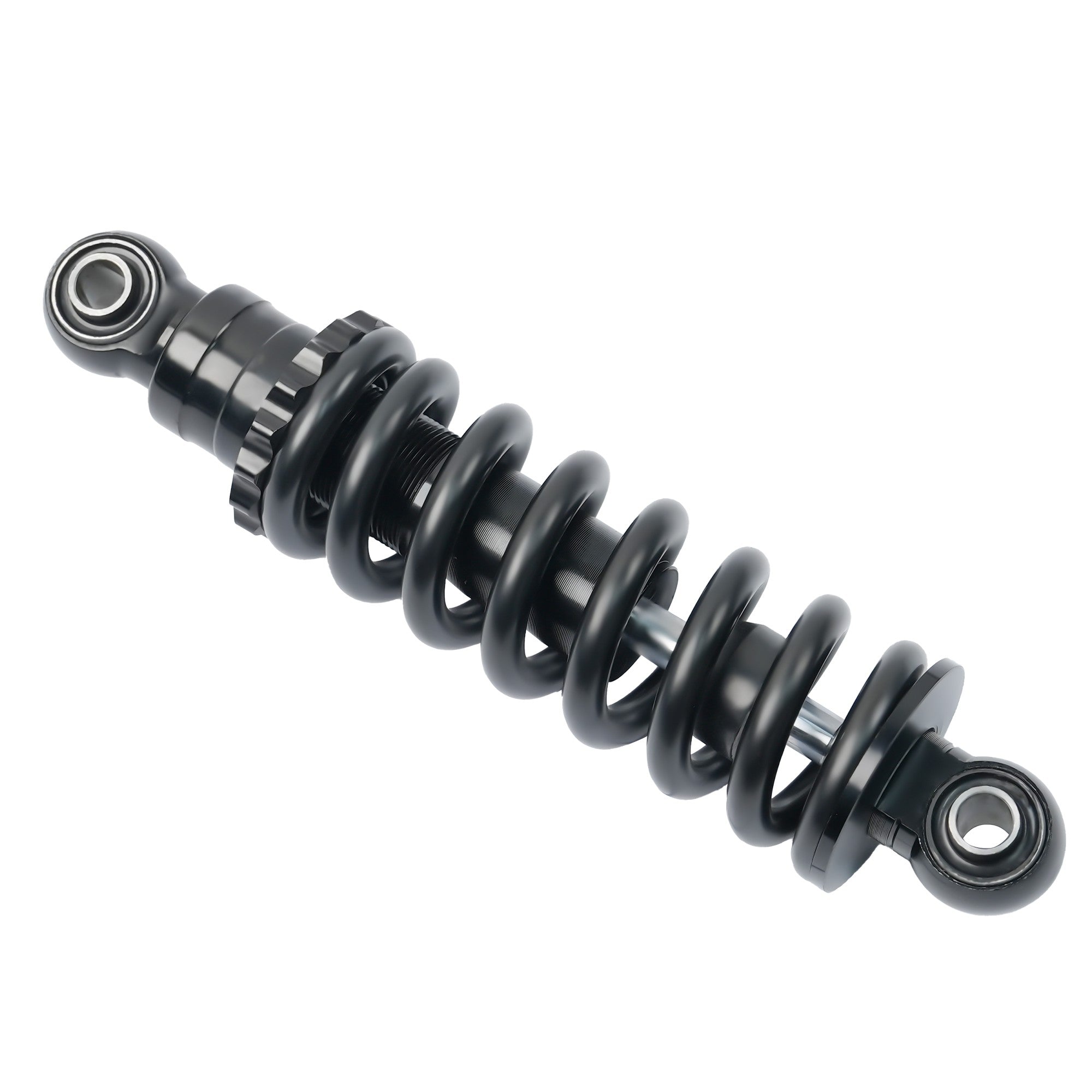
Suspension Makes a Big Difference
Off-road riding constantly exposes the bike to rocks, roots, jumps, and uneven terrain.
Quality suspension helps:
- Maintain tire contact with the ground
- Improve rider comfort
- Increase cornering stability
- Reduce rider fatigue
Both the front fork and rear shock should provide enough travel for the type of trails your teen plans to ride.
Don't Overlook the Brakes
Reliable braking is essential on dirt trails.
Hydraulic disc brakes generally provide:
- Stronger stopping power
- Better modulation
- More consistent performance in mud and wet conditions
- Lower maintenance than mechanical systems
Good brakes become even more important as riders gain confidence and begin riding faster.
Essential Safety Gear Every Teen Should Wear
The bike itself is only part of the safety equation.
Every ride should include appropriate protective equipment.

Full-Face Helmet
A DOT-certified full-face helmet protects the head, face, and jaw during crashes.
Helmets should always fit snugly and be replaced after any significant impact.
Chest Protector
A chest protector helps shield the torso, shoulders, and back from rocks, branches, and falls.
Knee and Elbow Guards
Joint injuries are common in off-road riding.
Quality protective guards reduce the risk of fractures and abrasions.
Riding Boots
Off-road boots provide ankle support, impact protection, and better grip on foot pegs.
Regular sneakers are not designed for dirt bike riding.
Gloves and Goggles
Gloves improve control while reducing hand fatigue.
Goggles protect the rider's eyes from dust, mud, insects, and flying debris while maintaining clear vision.
Where Can Teens Ride an Electric Dirt Bike?
One of the most common questions parents ask is where electric dirt bikes are actually allowed.
In the United States, rules vary by state and by riding location.
Common legal riding areas include:
- Private property with permission
- Designated OHV parks
- Approved off-road trail systems
- Certain national forest trails
Most electric dirt bikes are not street legal, meaning they generally cannot be ridden on public roads unless specifically equipped and registered according to local regulations.
Before riding, always check your state and local requirements regarding age limits, registration, and permitted riding areas.

Riding Skills Every Beginner Should Learn
Confidence develops gradually through consistent practice.
New riders should master these fundamentals before tackling technical trails.
Smooth Throttle Control
Electric bikes respond instantly to throttle input.
Practice gradual acceleration rather than sudden bursts of power.
Balanced Braking
Learn to use both front and rear brakes together.
Proper braking technique improves stability and shortens stopping distance.
Body Position
Standing on the foot pegs while riding over rough terrain allows the legs to absorb impacts and improves overall control.
Shifting body weight correctly during climbs, descents, and turns also helps maintain traction.
Ride Within Your Ability
Avoid jumps, steep hills, or technical terrain until basic riding skills become second nature.
Progressing gradually reduces the risk of accidents and builds long-term confidence.
Simple Maintenance Tips for Long-Term Reliability
Electric dirt bikes require less maintenance than gas models, but regular inspections are still essential.
Before each ride:
- Check tire pressure
- Test both brakes
- Inspect the chain
- Ensure all bolts are secure
- Verify battery charge
After muddy rides:
- Wash away dirt
- Dry the bike thoroughly
- Lubricate the chain
- Inspect suspension components
Store the battery in a cool, dry environment and avoid leaving it completely discharged for extended periods.

Consistent maintenance not only improves reliability but also helps maximize battery lifespan.
Is an Electric Dirt Bike a Good Choice for Your Teen?
For many families, the answer is yes.
Electric dirt bikes combine exciting off-road performance with easier maintenance, quieter operation, and beginner-friendly power delivery. When paired with the correct size, quality safety equipment, and proper riding instruction, they offer teenagers an enjoyable way to build confidence, coordination, and outdoor skills.
The key is choosing a model that matches your teen's age, size, and experience,not simply the fastest bike available. A well-matched electric dirt bike provides room to grow while helping riders develop safe habits that will benefit them for years to come.
Frequently Asked Questions
What age is appropriate for an electric dirt bike?
Many manufacturers recommend electric dirt bikes for riders aged 13 and older, but the right choice depends more on a teen's height, weight, coordination, and riding experience than age alone.
How long does an electric dirt bike battery last?
Most electric dirt bikes provide between 45 and 90 minutes of riding per charge, depending on terrain, rider weight, speed, and battery capacity.
Are electric dirt bikes difficult to maintain?
No. Compared with gas-powered models, electric dirt bikes require significantly less routine maintenance because there are no oil changes, spark plugs, or carburetors to service.
Can electric dirt bikes ride on the same trails as gas bikes?
Many designated off-road trails allow electric dirt bikes, although regulations vary by state, park, and land manager. Always verify local rules before riding.
Are electric dirt bikes street legal?
Most off-road electric dirt bikes are designed exclusively for trail use and are not legal for public roads unless they meet local road-use requirements.