
 Ebike Locks
 Phone Mount
 Payment
 Afterpay Financing
 Warranty
 Shipping Policy
 Exclusive Discounts
 Track Your Order
 Return & Refund
 Referrals & Membership
 User Manual
 Contact Us
 FAQs
FAQs
An electric mountain bike (eMTB) battery is one of the most expensive components on your bike. Depending on the model and capacity, a replacement battery typically costs $500–$1,200, with many premium batteries landing around $800.
The good news? Most battery failures aren't caused by manufacturing defects—they're caused by avoidable habits.
Whether you ride technical singletrack every weekend or commute during the week and hit trails on Saturdays, proper battery care can significantly extend your battery's lifespan, improve range, and save hundreds of dollars in replacement costs.
In this guide, we'll cover the 10 most common eMTB battery mistakes and explain exactly what you should do instead.
Why Battery Care Matters
Modern electric mountain bikes use lithium-ion batteries, which typically last:
| Battery Metric | Typical Value |
| Charge cycles | 500–1,000 full cycles |
| Expected lifespan | 4–8 years |
| Capacity after 500 cycles | Around 80–90% |
| Replacement cost | $500–$1,200 |
While every battery naturally degrades over time, heat, poor charging habits, improper storage, and neglect can accelerate aging dramatically.
Think of battery care as preventative maintenance—similar to changing oil in a car or lubricating your bike chain.

Mistake #1: Leaving the Battery at 100% for Days
Many riders fully charge their battery after every ride, even if they don't plan to ride again for a week.
Unfortunately, keeping lithium batteries at 100% state of charge for extended periods increases cell stress.
Better Practice
- Charge to 100% the night before riding
- If storing for several days, keep battery around 50–70%
- Don't leave a fully charged battery plugged in indefinitely
Why It Matters
Lower average voltage helps reduce long-term chemical aging.
Mistake #2: Regularly Draining the Battery to 0%
Unlike older battery technologies, lithium-ion batteries do not benefit from complete discharge cycles.
Repeatedly running the battery until it shuts off increases wear.
Better Practice
Recharge when battery reaches approximately:
- 20–30% for everyday riding
- 30–40% if you won't ride again soon
Occasional deep discharge for battery calibration is acceptable if recommended by the manufacturer, but it shouldn't become routine.
Mistake #3: Charging Immediately After a Hard Ride
After a long climb or technical trail session, your battery may still be warm.
Charging while the battery remains hot increases stress on the cells.
Better Practice
Allow the battery to cool for:
- 30–60 minutes after riding
- Longer if riding in hot weather
Charge only after it reaches room temperature.

Mistake #4: Riding in Extreme Heat Without Precautions
Summer riding is fun, but batteries dislike excessive heat.
High temperatures accelerate battery degradation faster than almost any other environmental factor.
Temperature Guidelines
| Temperature | Recommendation |
| 50–77°F (10–25°C) | Ideal |
| 77–95°F (25–35°C) | Acceptable |
| Above 95°F (35°C) | Minimize prolonged exposure |
| Above 113°F (45°C) | Avoid charging or storing |
Tips
- Park in shade
- Never leave the bike inside a hot vehicle
- Allow cooling before charging
Mistake #5: Storing the Battery Incorrectly During Winter
Many riders put away their bike for months with either:
- 100% battery
- Completely empty battery
Neither is ideal.
Best Long-Term Storage Practices
| Storage Factor | Recommendation |
| Charge level | 40–60% |
| Temperature | 50–68°F (10–20°C) |
| Humidity | Dry environment |
| Inspection | Check every 1–2 months |
| Recharge | Maintain around 50% |
Proper storage can noticeably reduce capacity loss during the off-season.

Mistake #6: Using Cheap Third-Party Chargers
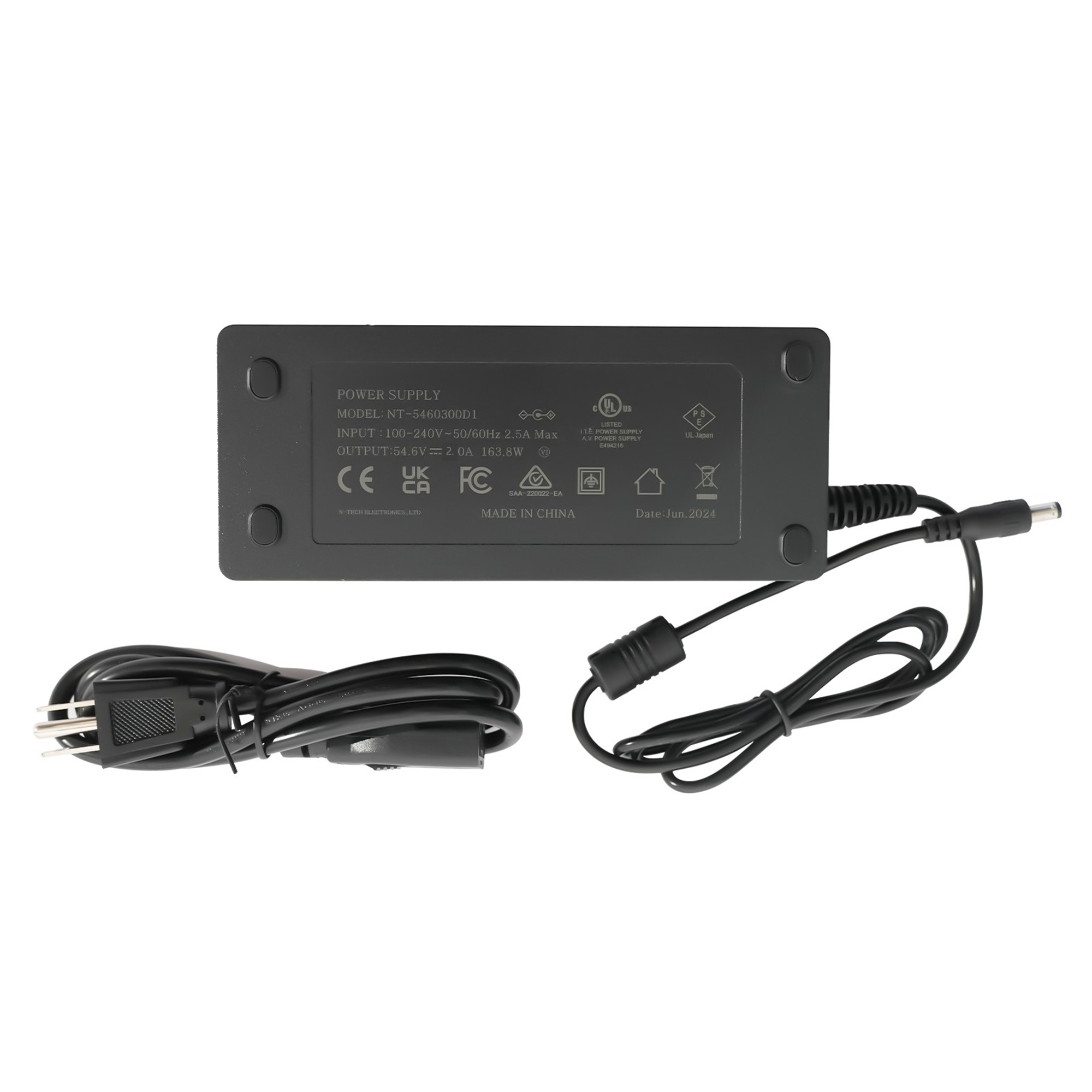
A charger may look compatible, but voltage accuracy, thermal monitoring, and communication protocols may differ.
Poor-quality chargers can:
- Overheat
- Charge improperly
- Reduce battery lifespan
- Increase safety risks
Always use:
- Original charger
- Manufacturer-approved replacement
- Genuine power cable
Saving $40 on a charger isn't worth risking an $800 battery.
Mistake #7: Ignoring Battery Contacts
Battery terminals naturally collect:
- Dust
- Dirt
- Moisture
- Trail debris
Dirty contacts increase electrical resistance and may cause intermittent power issues.
Maintenance Checklist
Every few weeks:
- Remove battery
- Inspect contacts
- Wipe gently using a dry microfiber cloth
- Ensure contacts remain dry
- Reinstall securely
Never spray water directly onto battery connectors.

Mistake #8: Pressure Washing the Bike
Pressure washers force water into areas designed to resist rain, not high-pressure jets.
Potential damage includes:
- Battery seals
- Electrical connectors
- Controller housing
- Motor bearings
- Better cleaning method
Use:
- Bucket
- Soft sponge
- Low-pressure hose
- Mild bike cleaner
Remove the battery before washing whenever possible.
Mistake #9: Riding with Loose Battery Mounts
A battery that rattles on rough trails experiences repeated vibration.
Over time this may damage:
- Mounting hardware
- Electrical contacts
- Battery casing
Regularly inspect:
- Lock mechanism
- Mounting bolts
- Frame rail
- Battery fit
If movement develops, address it before your next ride.

Mistake #10: Ignoring Firmware Updates
Modern eMTB battery management systems (BMS) rely on software to optimize:
- Charging
- Cell balancing
- Temperature management
- Error detection
Some manufacturers periodically release firmware updates that improve performance or fix charging issues.
Check your owner's manual or manufacturer support resources for available updates.
Quick Battery Care Checklist
| Do | Avoid |
| Store around 50–60% charge | Leaving battery at 100% for weeks |
| Charge after cooling | Charging while hot |
| Use original charger | Cheap aftermarket chargers |
| Store indoors | Hot garages or parked vehicles |
| Keep contacts clean | Dirt and corrosion buildup |
| Wash gently | Pressure washing |
| Recharge before reaching 0% | Deep discharge every ride |
| Check battery mounts | Ignoring loose fittings |
| Monitor storage every month | Leaving battery untouched for months |
| Update firmware | Skipping manufacturer updates |
How Long Should an eMTB Battery Last?
Battery lifespan depends on:
- Riding frequency
- Terrain
- Charging habits
- Climate
- Maintenance

Here's a general expectation:
| Rider Type | Estimated Battery Life |
| Weekend rider | 6–8 years |
| Regular trail rider | 5–7 years |
| Daily commuter | 4–6 years |
| Heavy off-road rider | 3–5 years |
Proper care often has a greater impact on battery longevity than total mileage alone.
Signs Your Battery May Need Professional Inspection
While gradual capacity loss is normal, these symptoms warrant further attention:
- Noticeably shorter riding range
- Battery won't fully charge
- Unexpected shutdowns
- Charging takes much longer than usual
- Battery becomes unusually hot
- Physical swelling or damage
- Error codes on the display
If you notice swelling, unusual odors, smoke, or signs of overheating, stop using the battery immediately and contact the manufacturer or an authorized service center. Do not attempt to disassemble or repair a lithium-ion battery yourself.
Choosing an eMTB with a Quality Battery System
Battery care starts with choosing a bike equipped with a reliable battery, quality battery management system (BMS), and components designed for off-road use.
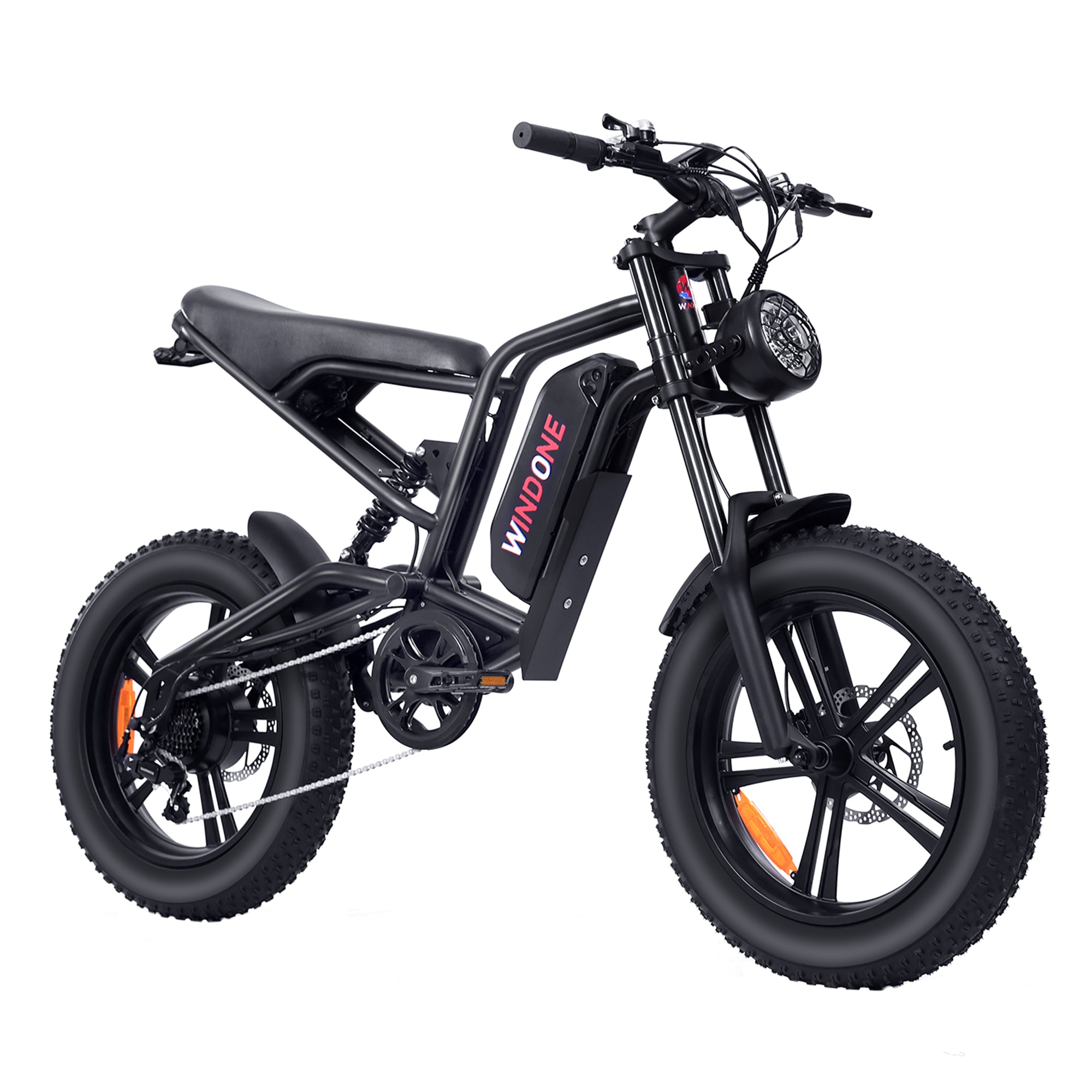
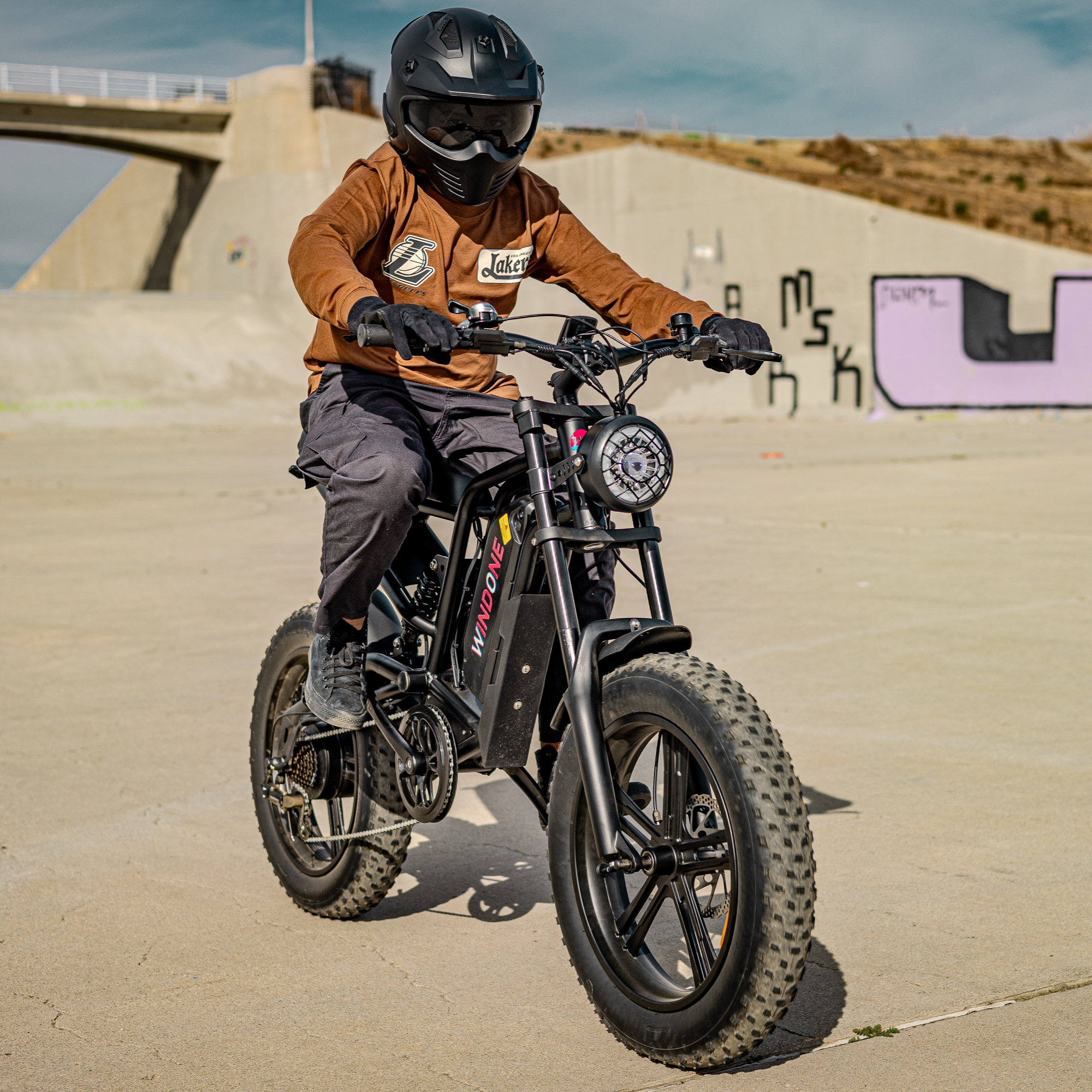
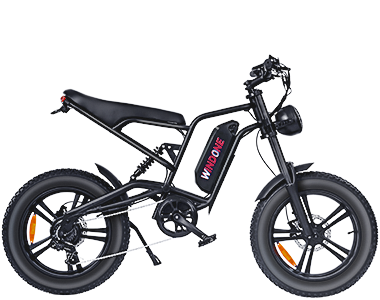
For riders looking for a capable electric mountain bike, the Windone K20 combines trail-ready performance with a high-capacity battery designed for longer adventures.

Windone K20 Highlights
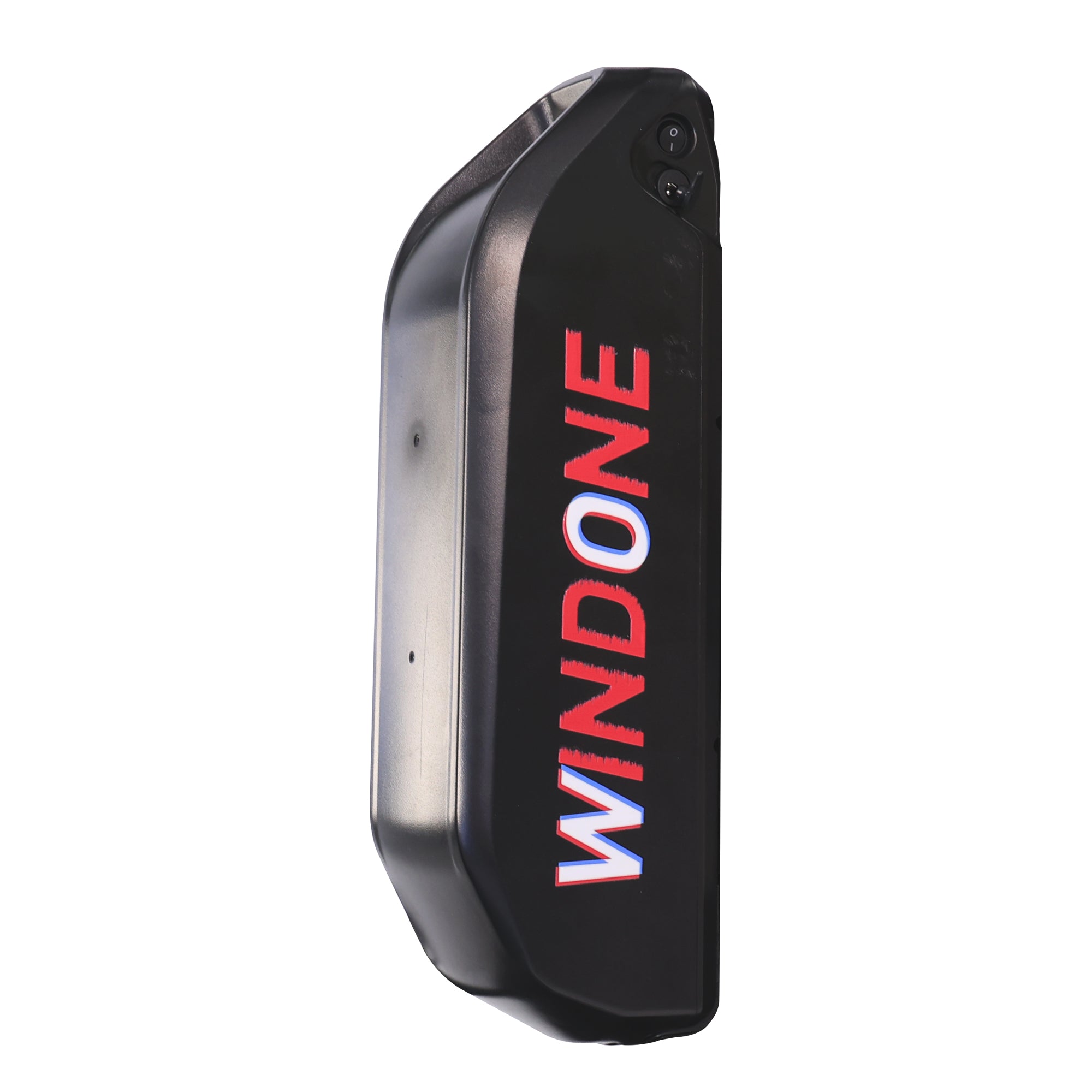
- 48V 15Ah removable lithium-ion battery
- Up to 60 miles of pedal-assist range (depending on riding conditions)
- Powerful motor with 1000 peak power for steep climbs and technical terrain
- 26 × 4 inches fat tires for enhanced traction on dirt, gravel, sand, and snow
- Front suspension for improved comfort on rough trails
- Removable battery for convenient indoor charging and secure storage
Pairing a quality battery system with smart charging and storage habits helps maximize both performance and long-term value.
Final Thoughts
Your eMTB battery is an investment, and replacing it can easily cost around $800 or more. Fortunately, extending its lifespan doesn't require expensive tools or technical expertise—it comes down to consistent, informed habits.
Avoiding common mistakes like storing the battery at a full charge, exposing it to excessive heat, using unapproved chargers, or neglecting regular inspections can add years to its usable life. In return, you'll enjoy more reliable performance, better range, and lower ownership costs.
Treat your battery with the same care you give your suspension, drivetrain, and brakes, and it will continue to power countless rides for years to come.
Frequently Asked Questions
Is it okay to leave my eMTB battery plugged in overnight?
Occasionally charging overnight is generally fine if you're using the manufacturer's charger and battery management system. However, avoid leaving the battery at 100% for days if you don't plan to ride soon.
Should I remove the battery after every ride?
Not necessarily. If you're storing the bike in a secure, dry, temperature-controlled environment, leaving it installed is usually fine. Remove it if you're transporting the bike, cleaning it, or charging indoors.
Can cold weather permanently damage an eMTB battery?
Cold temperatures temporarily reduce available range, but they don't usually cause permanent damage if the battery is stored and charged correctly. Never charge a battery that is below the manufacturer's recommended charging temperature.
How can I maximize my riding range?
Maintain proper tire pressure, use lower assist levels when appropriate, keep the drivetrain clean, avoid unnecessary acceleration, and keep the battery within a moderate temperature range. Together, these practices improve both efficiency and battery longevity.