
 Ebike Locks
 Phone Mount
 Payment
 Afterpay Financing
 Warranty
 Shipping Policy
 Exclusive Discounts
 Track Your Order
 Return & Refund
 Referrals & Membership
 User Manual
 Contact Us
 FAQs
FAQs
Fall is one of the best seasons for electric dirt bike riding. Cooler temperatures make long trail sessions more comfortable, the scenery changes, and many trails become less crowded.
But fall also introduces conditions that deserve more attention: wet leaves, muddy trails, colder temperatures, reduced daylight, and greater temperature swings.
For an electric dirt bike, these conditions can affect traction, braking, battery performance, drivetrain components, and visibility. A bike that performs well on a dry summer trail may require a little more preparation once autumn arrives.
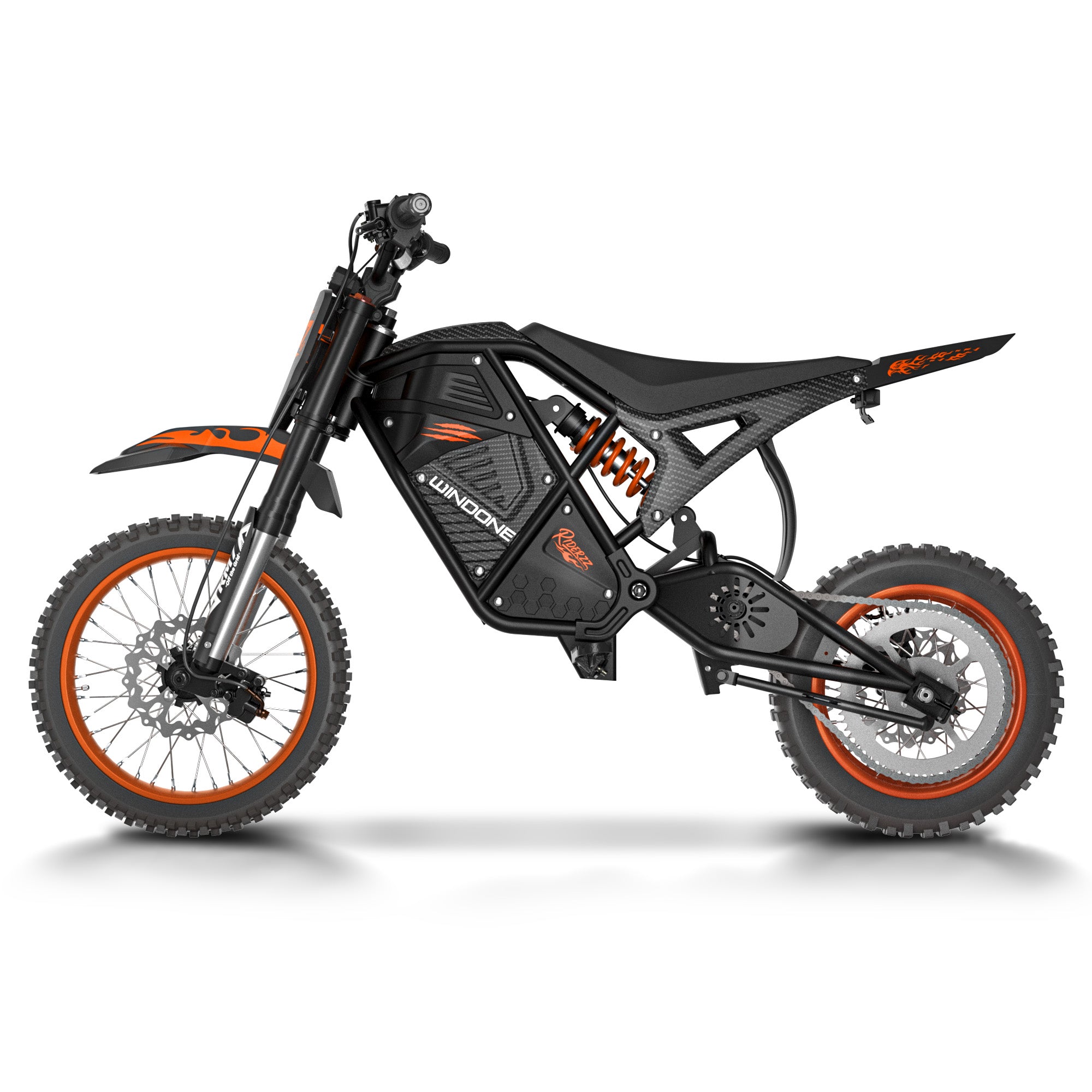
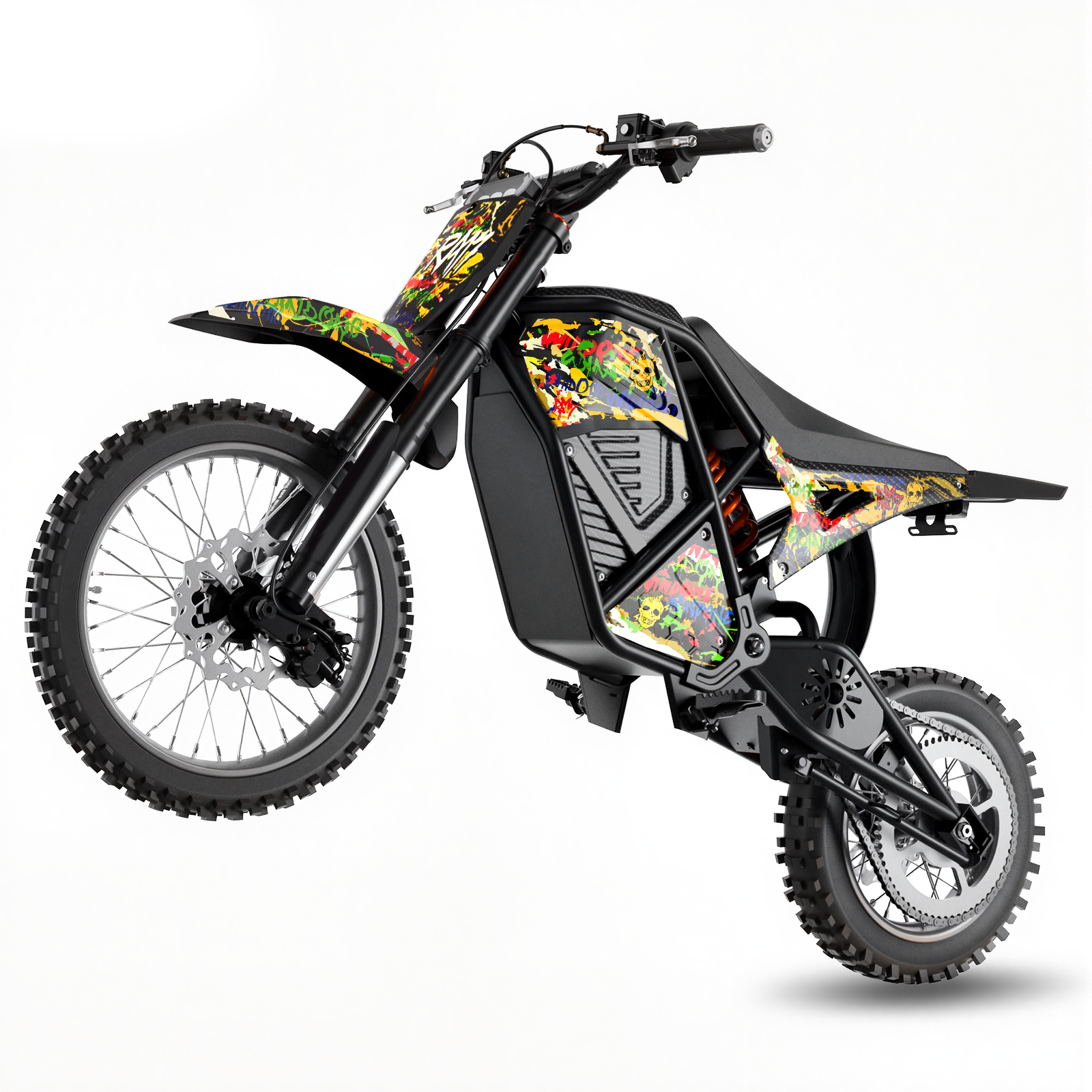
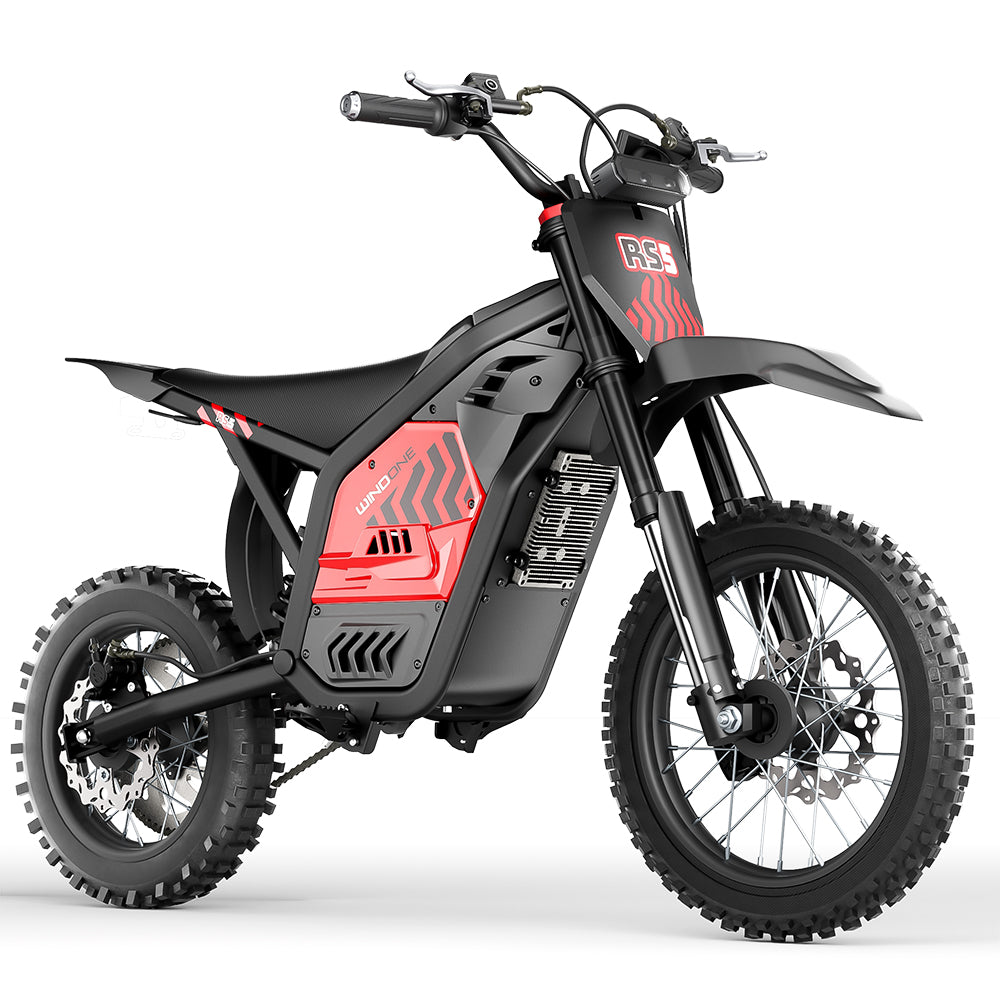
Whether you're riding a Windone RM7, RS5, or another electric dirt bike, a few simple checks before each ride can help you handle changing trail conditions more safely and keep your bike performing properly throughout the season. Windone's current U.S. lineup includes the RM7 and RS5, both designed for all-terrain riding with up to 37 mph top speed and up to 45 miles of advertised range.
Here's what to check before your next fall ride.
Why Fall Riding Requires Extra Preparation
Fall riding isn't necessarily more difficult than summer riding, but the conditions can change quickly.
A dry trail in the afternoon may become slippery after rain. Leaves can hide rocks, roots, potholes, and other obstacles. Colder temperatures can also affect lithium-ion battery performance and reduce available range.
The biggest changes to watch for are:
- Wet leaves and reduced traction
- Mud and standing water
- Colder battery temperatures
- Lower tire pressure
- Reduced daylight
- More frequent temperature changes
- Moisture around electrical connections
- Dirt and debris accumulating around the drivetrain
The goal isn't to avoid these conditions altogether. It's to adjust your preparation and riding style to match them.

1. Check Your Tires Before Every Ride
Your tires are your primary contact with the trail, so they deserve special attention during fall.
Temperature changes can affect tire pressure, while wet leaves, mud, and loose soil can reduce available traction.
Before riding, check:
- Tire pressure
- Tire tread
- Sidewalls
- Embedded rocks, sticks, or other debris
- Cuts, cracks, or unusual wear
Use the tire pressure recommended by your bike's manufacturer rather than automatically lowering pressure because the trail is wet.
For off-road riding, traction is important, but excessively low pressure can also increase the risk of tire damage and negatively affect handling.
Why wet leaves are tricky
A layer of wet leaves can behave more like a slippery surface than ordinary dirt. Leaves can cover rocks, roots, ruts, and other obstacles, making them difficult to see until you're already riding over them.
When approaching a section covered with wet leaves:
Slow down before entering it, keep your movements smooth, and avoid sudden braking or acceleration.
2. Pay Extra Attention to Brakes
Fall conditions can make braking less predictable.
Wet leaves, mud, and moisture can reduce tire grip, which means the tires may have less traction available for braking, even when the brakes themselves are working normally.
Before each ride:
- Squeeze both brake levers.
- Make sure the brakes engage normally.
- Check for unusual noise or excessive lever travel.
- Inspect the brake components for visible damage or contamination.
Once you're on the trail, leave yourself more stopping distance on wet or slippery surfaces.
A useful rule is simple:
The less traction you have, the earlier you should begin braking.
Avoid waiting until the last moment and then applying maximum braking force.

3. Adjust Your Riding Style for Wet Leaves
One of the biggest mistakes during fall riding is treating a wet trail exactly like a dry trail.
When traction is reduced, aggressive inputs become more likely to cause the tires to lose grip.
Instead:
- Reduce your speed: You need more time to identify obstacles hidden beneath leaves and more distance to stop.
- Brake earlier: Gradual braking is easier to control than sudden braking on a slippery surface.
- Avoid sudden steering: Smooth steering inputs help maintain stability.
- Keep acceleration controlled: Hard acceleration can cause the rear tire to spin on wet leaves or loose soil.
- Look farther ahead: Don't focus only on the patch of trail immediately in front of your tire. Look ahead for changes in terrain, standing water, exposed roots, and covered obstacles.
4. Watch for Hidden Obstacles
A thick layer of leaves can make a trail look smoother than it really is.
Underneath those leaves could be:
- Rocks
- Tree roots
- Holes
- Deep ruts
- Fallen branches
- Mud
- Puddles
This is particularly important on unfamiliar trails.
If you cannot clearly see what's underneath a deep layer of leaves, reduce your speed rather than assuming the surface is clear.
This is also one reason fall isn't the ideal time to push maximum speed on an unfamiliar trail.
5. Protect the Battery From Cold Temperatures
Cold weather is one of the biggest differences between fall and summer riding.
Lithium-ion batteries generally perform less efficiently at lower temperatures. Cold conditions can reduce available power and range, especially when temperatures become significantly lower.

Windone's battery-care guidance recommends storing batteries in a cool, dry environment and avoiding extreme temperatures. It also recommends allowing a battery to cool after demanding riding before charging.
Before a cold-weather ride
If your bike has been stored in a cold garage or shed overnight, don't immediately assume the battery will perform exactly as it did during summer.
If possible:
- Store the battery in a temperature-controlled environment.
- Allow a very cold battery to return toward room temperature before charging.
- Check the battery level before leaving.
- Plan some additional range margin for colder conditions.
Cold-weather performance can vary depending on temperature, battery condition, riding speed, and other factors.
6. Never Charge a Very Cold Battery
This is particularly important as fall temperatures begin to drop.
If the battery has been sitting in freezing or very cold conditions, allow it to warm to an appropriate temperature before charging.
Windone's guidance specifically recommends bringing a cold battery to room temperature before charging after extended cold-weather storage.
Do not try to speed up the process by placing the battery directly against a heater or another high-heat source.
Instead, let it warm naturally in an appropriate indoor environment.
7. Give Yourself More Range Margin
You shouldn't assume that your electric dirt bike will deliver exactly the same range in October or November as it did during warm summer rides.
Range depends on many factors, including:
- Temperature
- Rider weight
- Speed
- Terrain
- Hills
- Tire pressure
- Riding style
- Battery condition
Cold temperatures can reduce battery performance, while muddy terrain and aggressive riding can also increase energy consumption.
For this reason, it's smart to plan your fall rides with a larger battery reserve.
For example, if you normally finish a familiar trail with plenty of battery remaining during summer, don't assume the same route will leave exactly the same amount of reserve on a cold fall morning.

8. Inspect the Chain and Drivetrain More Often
Wet trails introduce more dirt and moisture into the drivetrain.
After riding through mud or wet leaves:
- Remove dirt and debris from the chain.
- Check chain tension.
- Look for unusual wear.
- Dry the drivetrain.
- Apply appropriate chain lubricant when needed.
Windone recommends cleaning and lubricating the chain regularly, with more frequent lubrication when riding in muddy conditions.
A simple post-ride inspection can prevent a small buildup of dirt from becoming a larger maintenance problem.
9. Clean Your Electric Dirt Bike After Wet Rides
You don't need to wait until your bike is heavily covered in mud before cleaning it.
A quick cleanup after a wet ride can help prevent dirt and moisture from accumulating around important components.
Use low-pressure water
If your bike needs more than a wipe-down, use low-pressure water and avoid directing water at sensitive electrical components.
Windone specifically advises against pressure washing electric dirt bikes because high-pressure water can force moisture into electrical components, bearings, and seals.
Pay particular attention to:
- Battery connections
- Controller area
- Display
- Motor housing
- Bearings
- Chain and drivetrain
After cleaning, dry the bike thoroughly before storing or charging it.
10. Check the Electrical Connections
Fall means more exposure to moisture.
Before and after wet rides, inspect accessible connectors and wiring for:
- Moisture
- Dirt
- Corrosion
- Loose connections
- Damaged insulation
- Visible impact damage
Windone recommends regularly checking connectors and wiring insulation as part of routine electric dirt bike maintenance.

If you notice damaged wiring, a loose connector, unusual battery behavior, or other electrical problems, don't simply continue riding and hope the issue disappears. Stop and have the bike inspected appropriately.
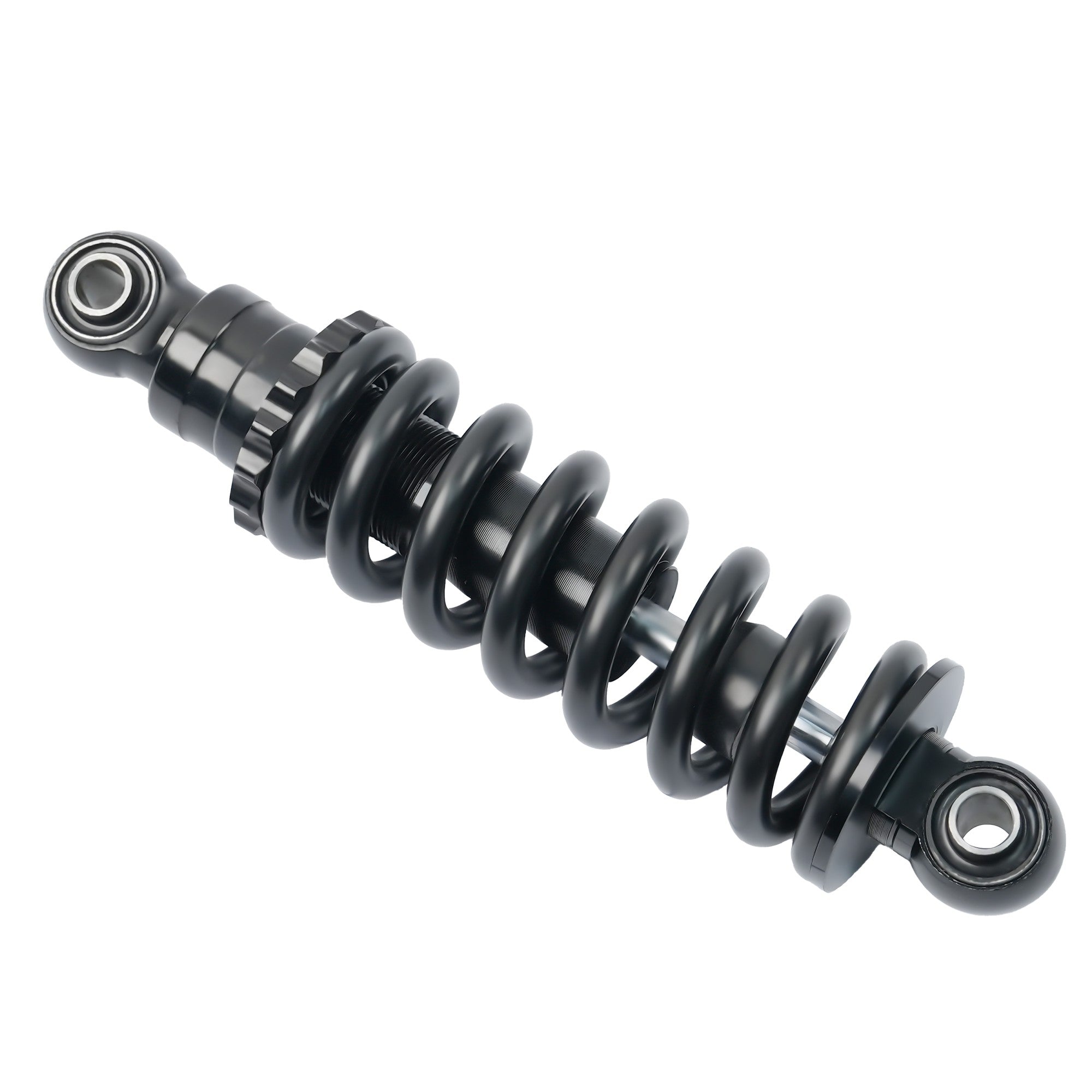
11. Don't Forget Suspension
Suspension becomes particularly important when trails become muddy and uneven.
Before a fall ride, check that the suspension moves smoothly and doesn't show signs of damage or leakage.
After riding:
- Remove mud and debris.
- Inspect the suspension components.
- Look for visible damage.
- Pay attention to unusual noises or changes in handling.
Windone recommends inspecting suspension monthly and after particularly hard riding.
If the bike suddenly feels different from normal, don't assume the change is simply because of the weather.
12. Prepare for Shorter Days
Another major difference in fall isn't the trail—it's the amount of daylight.
A ride that would comfortably finish before sunset in July may become a low-light ride in October.
Before heading out, consider:
- When sunset occurs
- How long your route normally takes
- Whether your bike has adequate lighting
- Whether you have a backup light if appropriate
- Whether someone knows where you're riding
It's better to finish your ride before visibility becomes a problem than to discover halfway through the trail that you underestimated how quickly the light would disappear.
13. Wear the Right Gear for Fall
Fall temperatures can be comfortable at the start of a ride and noticeably colder once you're moving.
Your riding gear should protect you from both the environment and potential falls.
Consider:
- DOT-compliant helmet where applicable
- Riding gloves
- Eye protection
- Long pants
- Durable riding jacket or layers
- Knee protection
- Elbow protection
- Appropriate riding boots
Layering is especially useful because your body temperature can change significantly during an extended ride.

Avoid wearing clothing that is loose enough to interfere with the bike's controls or moving components.
14. Check the Weather and Trail Conditions
Fall weather can change quickly.
Before leaving, check:
- Temperature
- Rain forecast
- Wind
- Sunset time
- Trail conditions
- Local trail closures or restrictions
A light rain may not seem significant, but several hours of rain can transform a trail.
Mud can become deep and slippery, while some trails may be closed specifically to prevent damage to the trail surface.
If a trail is closed because of wet conditions, don't ride around the closure.
Choosing another route is better for both rider safety and trail preservation.
15. Give Your Bike a Quick Pre-Ride Inspection
You don't need a complicated maintenance routine before every ride.
A few minutes can cover the most important checks.
Fall Pre-Ride Checklist
Battery
- ☐ Battery level checked
- ☐ No visible damage
- ☐ Connectors secure
- ☐ Battery temperature appropriate
Tires
- ☐ Correct pressure
- ☐ No cuts or cracks
- ☐ Tread in good condition
- ☐ No embedded debris
Brakes
- ☐ Front brake works normally
- ☐ Rear brake works normally
- ☐ No unusual noise
Drivetrain
- ☐ Chain tension checked
- ☐ Chain reasonably clean
- ☐ No obvious damage
Bike
- ☐ Bolts and fasteners secure
- ☐ Suspension feels normal
- ☐ Controls operate normally
- ☐ No warning indicators
Rider
- ☐ Helmet
- ☐ Gloves
- ☐ Eye protection
- ☐ Appropriate protective gear
- ☐ Weather-appropriate clothing

What to Do After a Wet Fall Ride
Your maintenance routine shouldn't end when you get back to the garage.
- Step 1: Turn the bike off - Allow the bike to cool down before performing maintenance.
- Step 2: Remove leaves and mud - Pay particular attention to the tires, chain, suspension, and frame.
- Step 3: Dry the bike - Use a clean cloth and allow remaining moisture to evaporate.
- Step 4: Inspect the bike - Look for loose components, damage, corrosion, or anything that wasn't there before the ride.
- Step 5: Maintain the chain - Clean and lubricate it as necessary.
- Step 6: Let the battery cool - If you've been riding hard, allow the battery to cool naturally before charging. Windone recommends avoiding immediate charging after demanding riding.
- Step 7: Store it somewhere dry - Avoid leaving the bike outside overnight where moisture and temperature fluctuations can affect its components.
How to Store Your Electric Dirt Bike as Fall Turns Into Winter
If you're approaching the end of your riding season, don't simply park your bike and forget about it.
Proper storage can make the transition back to riding much easier.
Windone recommends storing a battery at approximately 40–60% charge, in a cool, dry environment away from direct sunlight and freezing temperatures.
Before long-term storage:
- Clean the bike.
- Dry it completely.
- Inspect the tires.
- Clean and lubricate the chain.
- Check the brakes.
- Inspect wiring and connectors.
- Store the battery according to the manufacturer's recommendations.
- Keep the bike somewhere dry and protected from extreme temperatures.
If your specific Windone model has different storage instructions in its owner's manual, follow the model-specific instructions first.
Fall Riding Tips for Windone Electric Dirt Bike Riders
Windone currently offers the RM7 and RS5 electric dirt bikes in the U.S. market. Both are listed as all-terrain models with a maximum speed of up to 37 mph and advertised range of up to 45 miles.
Those specifications make them capable machines for off-road riding, but greater performance also makes it more important to adapt your riding to changing conditions.
In particular, don't treat the 37 mph top speed as a target for every trail.

On a dry, familiar section of appropriate terrain, you may have plenty of traction. On a leaf-covered trail after rainfall, the same speed may leave you with significantly less time to react.
Fall riding is about managing the conditions, not simply managing the bike.
Frequently Asked Questions
Can I ride an electric dirt bike on wet trails?
It depends on the bike, trail conditions, and manufacturer guidance. Electric dirt bikes are designed for off-road environments, but wet conditions can reduce traction and increase the risk of slipping. Avoid deep water, flooding, and conditions beyond the bike's specified capabilities.
Do cold temperatures reduce electric dirt bike range?
They can. Lower temperatures can affect lithium-ion battery performance and may reduce available range and power compared with riding in moderate temperatures. Planning additional battery reserve is a good practice for colder rides.
Can I charge my electric dirt bike battery when it is cold?
If the battery has become very cold, especially if it is near or below freezing, allow it to return to an appropriate temperature before charging. Windone recommends bringing a cold battery to room temperature before charging after cold storage.
Are wet leaves dangerous for electric dirt bikes?
Wet leaves can significantly reduce traction and can hide rocks, roots, holes, and other obstacles. Reduce speed, avoid sudden steering or acceleration, and increase your stopping distance when riding over leaf-covered surfaces.
How should I clean an electric dirt bike after riding in mud?
Turn the bike off, remove mud and debris, and use low-pressure water if necessary. Avoid pressure washing electrical components, connectors, bearings, and other sensitive areas. Dry the bike thoroughly afterward.
Should I lower my tire pressure for fall riding?
Don't change tire pressure arbitrarily. Follow the manufacturer's recommended range for your bike and riding conditions. Wet leaves and mud may require more careful traction management, but excessively low pressure can also affect handling and increase the risk of tire damage.
How should I store my electric dirt bike for winter?
Clean and dry the bike, inspect its major components, and store the battery according to the manufacturer's recommendations. Windone recommends approximately 40–60% charge for battery storage and a cool, dry environment away from extreme temperatures.
Final Thoughts
Fall can be an excellent time to ride an electric dirt bike. The temperatures are cooler, the trails can be quieter, and the changing landscape makes familiar routes feel different.
But autumn also rewards riders who prepare.
Check your tires. Test your brakes. Protect your battery from cold temperatures. Clean the bike after wet rides. Watch for leaves and hidden obstacles. And adjust your speed to the trail conditions.
A few extra minutes of preparation can make a significant difference when the trail gets wet, the temperature drops, and daylight disappears earlier.
For Windone riders, the goal isn't to stop riding when summer ends. It's to ride smarter as the conditions change, and keep your electric dirt bike ready for the next trail.