
 Ebike Locks
 Phone Mount
 Payment
 Afterpay Financing
 Warranty
 Shipping Policy
 Exclusive Discounts
 Track Your Order
 Return & Refund
 Referrals & Membership
 User Manual
 Contact Us
 FAQs
FAQs
Electric dirt bikes are gaining serious momentum in the powersports world. Riders are increasingly drawn to their instant torque, low maintenance, quieter operation, and eco-friendly performance. Whether you’re a beginner looking for your first off-road machine or an experienced rider considering the switch from gas to electric, one question usually comes first:
How much does an electric dirt bike cost?
The short answer: electric dirt bikes typically cost anywhere from $1,000 to $15,000+, depending on size, motor power, battery capacity, build quality, and intended use.
Entry-level youth models can be relatively affordable, while high-performance electric dirt bikes built for aggressive trail riding or motocross can cost as much as premium gas motorcycles.
In this guide, we break down electric dirt bike pricing, what affects cost, and how to determine which price range makes the most sense for your needs.
Average Electric Dirt Bike Cost by Category
Not all electric dirt bikes are built for the same rider.

Some are designed for:
- Kids learning off-road basics
- Teen riders upgrading from bicycles
- Adult recreational riders
- Serious off-road enthusiasts
- Competitive racers
Price often reflects intended performance.
Electric Dirt Bike Price Overview
| Category | Typical Price Range | Best For |
| Kids/Youth | $1,000–$2,500 | Beginners |
| Entry-Level Adult | $2,000–$4,000 | Casual trail riding |
| Mid-Range Performance | $4,000–$7,000 | Frequent riders |
| Premium Performance | $7,000–$12,000 | Serious off-road riders |
| Racing/High-End | $12,000–$15,000+ | Competitive riding |
A higher price usually means better:
- Power output
- Suspension
- Battery capacity
- Frame quality
- Braking performance
What Determines Electric Dirt Bike Cost?
Several key factors influence pricing.
1. Motor Power
Motor power has a major impact on performance and price.

Higher-powered motors deliver:
- Faster acceleration
- Better hill climbing
- More torque
- Higher top speeds
Typical power ranges:
| Motor Power | Typical Use |
| 500–1000W | Kids/Light riding |
| 1000–3000W | Beginners/Recreational |
| 3000–8000W | Serious trail riding |
| 8000W+ | High-performance/Racing |
Unlike gas bikes, electric motors deliver torque instantly.
This makes even moderate-power bikes feel surprisingly quick.
2. Battery Size and Capacity
The battery is often the most expensive component.

A larger battery provides:
- Longer ride time
- Better sustained power
- Improved climbing performance
Battery capacity is commonly measured in watt-hours (Wh).
Formula: Watt-hours = Voltage × Amp-hours
Example: 72V × 40Ah = 2880Wh
Larger batteries cost more because they require more lithium cells.
Battery Size vs Cost Impact
| Battery Capacity | Typical Range |
| 500–1000Wh | Short rides |
| 1000–2000Wh | Moderate rides |
| 2000–4000Wh | Long rides |
| 4000Wh+ | High-performance riding |
Premium batteries also include advanced Battery Management System (BMS) for safety and longevity.

3. Suspension Quality
Off-road riding demands strong suspension.
Cheap suspension can make riding:
- Uncomfortable
- Less controlled
- Unsafe on rough terrain
Higher-end bikes typically include:
- Adjustable forks
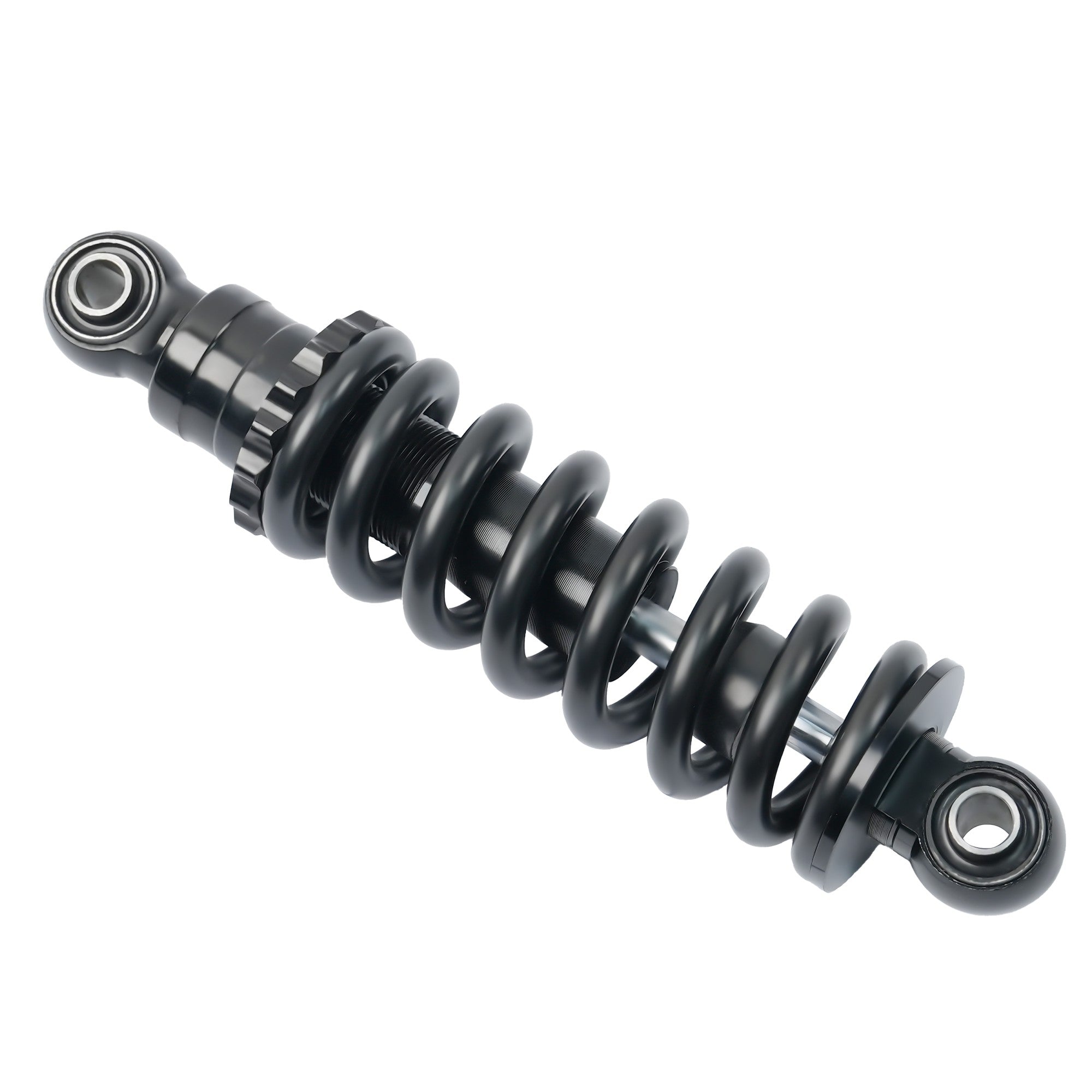
- Rear shock systems
- Better rebound damping
- Longer travel
Suspension quality significantly affects cost.
Suspension Comparison
| Suspension Type | Cost Impact | Ride Quality |
| Basic Coil | Low | Entry-level |
| Hydraulic | Medium | Good |
| Adjustable Performance | High | Excellent |
For aggressive trails, suspension is worth paying for.

4. Frame and Build Quality
Frame material affects:
- Durability
- Weight
- Handling
- Stability
Common materials include:
Steel
| Pros | Cons |
| - Durable
- Affordable |
- Heavy |
Aluminum
| Pros | Cons |
| - Lightweight
- Rust resistant |
- More expensive |
Premium frames improve overall ride feel.
5. Tires and Brakes
Budget bikes often cut costs here.

Better components mean:
- Improved traction
- Better stopping power
- Greater confidence off-road
Look for:
- Hydraulic disc brakes
- Knobby off-road tires
- Durable rims
Hidden Costs Beyond Purchase Price
The sticker price is not the full cost.
Consider ownership expenses.
Charging Costs
One major advantage of electric dirt bikes is low energy cost.
Electric charging is far cheaper than gasoline.
Approximate comparison:
| Power Source | Cost Per Ride |
| Electricity | $0.30–$2 |
| Gasoline | $5–$20+ |
This can create major long-term savings.

Maintenance Costs
Electric dirt bikes have fewer moving parts than gas bikes.
No need for:
- Oil changes
- Spark plugs
- Air filters
- Fuel system maintenance
Typical maintenance includes:
- Chain care
- Brake service
- Tire replacement
- Suspension inspection
Maintenance Cost Comparison
| Maintenance Item | Electric | Gas |
| Oil Change | No | Yes |
| Spark Plug | No | Yes |
| Air Filter | No | Yes |
| Chain Service | Yes | Yes |
| Brake Pads | Yes | Yes |
This lower maintenance can offset higher upfront costs.

Are Electric Dirt Bikes More Expensive Than Gas Dirt Bikes?
Usually, yes, at least upfront.
Comparison:
| Bike Type | Entry Price |
| Gas Dirt Bike | $1,500–$10,000+ |
| Electric Dirt Bike | $1,000–$15,000+ |
Electric bikes often cost more initially due to battery expense.
But they may save money over time through:
- Lower fuel costs
- Less maintenance
- Fewer repairs
Total cost of ownership can be surprisingly competitive.
Which Price Range Is Right for You?
Your ideal budget depends on how you ride.
Under $2,500
Best for:
- Kids
- Beginners
- Casual backyard riding

Expect:
- Lower speeds
- Smaller batteries
- Basic suspension
$2,500–$5,000
Best for:
- Teen riders
- New adult riders
- Weekend trail riding
Expect:
- Better power
- Improved range
- Better durability
This is often the sweet spot for value.
$5,000–$10,000
Best for:
- Serious enthusiasts
- Frequent off-road riders
Expect:
- Strong motors
- High-quality suspension
- Long range
- Better braking
$10,000+
Best for:
- Competitive riders
- Premium buyers
- Extreme performance seekers
Expect minimal compromises.

Should You Buy Cheap?
Cheap electric dirt bikes can be tempting.
But extremely low prices may indicate compromises in:
- Battery quality
- Safety
- Braking
- Controller reliability
- Frame durability
Be cautious of unknown brands with limited support.
Low price means little if replacement parts are unavailable.
How to Get the Best Value
When comparing models, prioritize value, not just price.
Ask:
- ✅ How powerful is the motor?
- ✅ What battery capacity does it offer?
- ✅ How long is ride time?
- ✅ Are replacement parts available?
- ✅ Is the frame durable?
- ✅ How good are the brakes and suspension?
- ✅ Is warranty support reliable?
A well-built mid-range bike often delivers the best long-term value.
Final Thoughts
So, how much does an electric dirt bike cost?

For most riders, expect to spend:
- $1,000–$2,500 for beginner bikes
- $2,500–$5,000 for solid recreational performance
- $5,000+ for serious off-road capability
The biggest cost drivers are:
- Motor power
- Battery size
- Suspension quality
- Build materials
While electric dirt bikes can cost more upfront than gas alternatives, they offer major benefits in return: instant torque, lower maintenance, quieter operation, and lower running costs.
Ultimately, the right electric dirt bike is not simply the cheapest or most expensive, it’s the one that delivers the performance, durability, and riding experience that match your goals.