Ebike Locks
 Phone Mount






 Payment
 Afterpay Financing
 Warranty
 Shipping Policy
 Exclusive Discounts
 Track Your Order
 Return & Refund
 Referrals & Membership
 User Manual
 Contact Us
 FAQs
FAQs
Modern life keeps many people in a constant state of mental overload. Endless notifications, screen time, work pressure, traffic, and urban environments can gradually increase stress levels and mental fatigue. As a result, more people are turning to outdoor activities not just for recreation, but for psychological recovery and emotional balance.
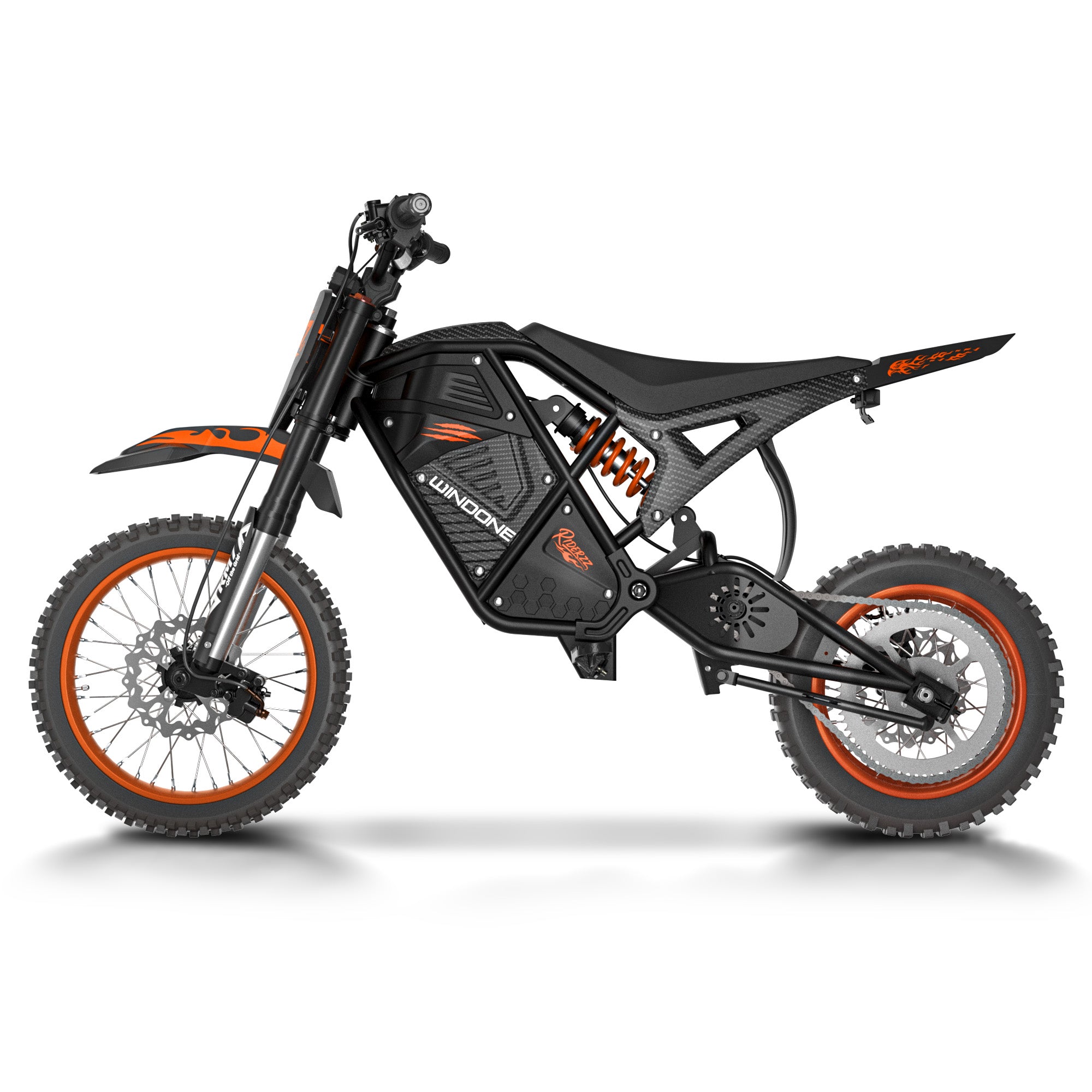
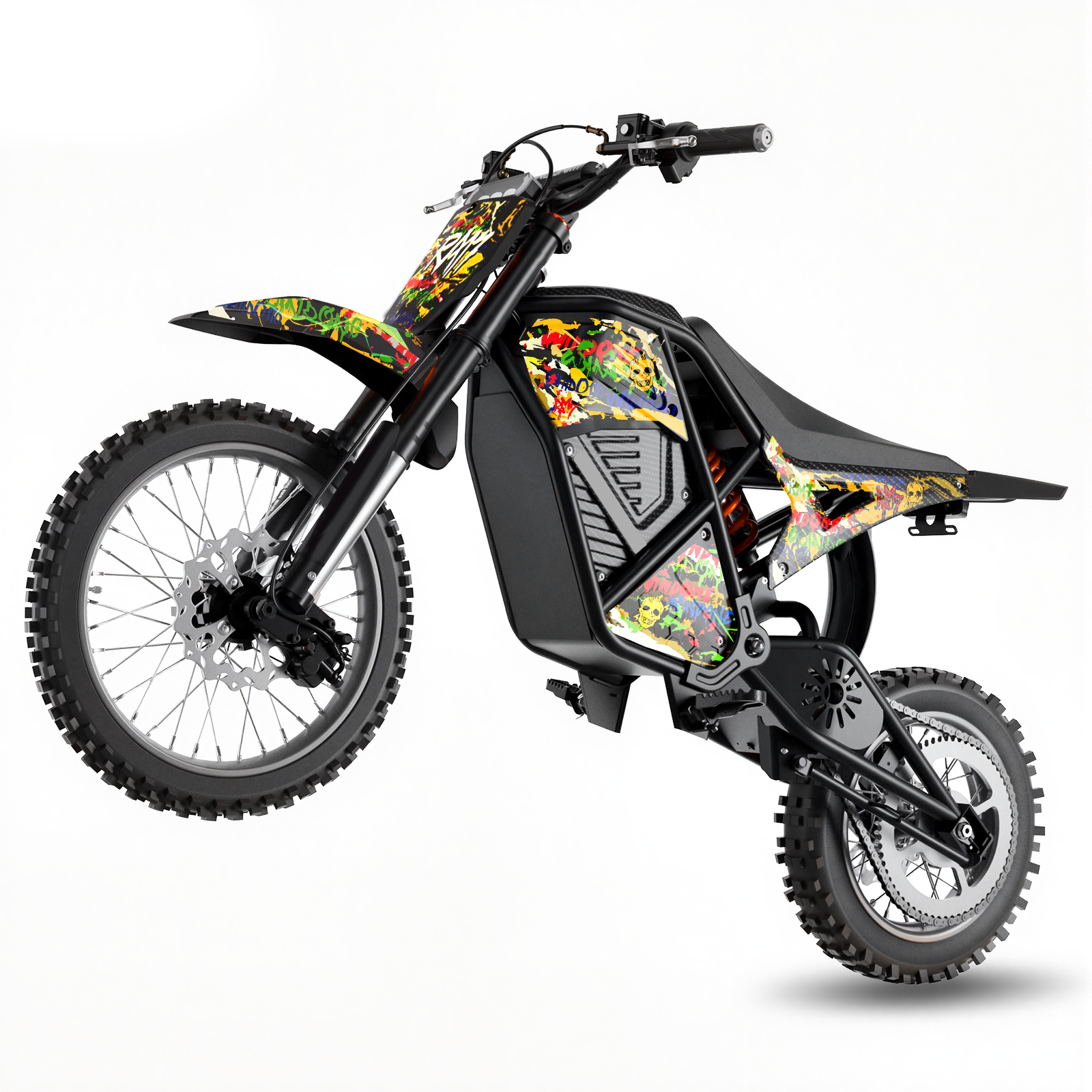
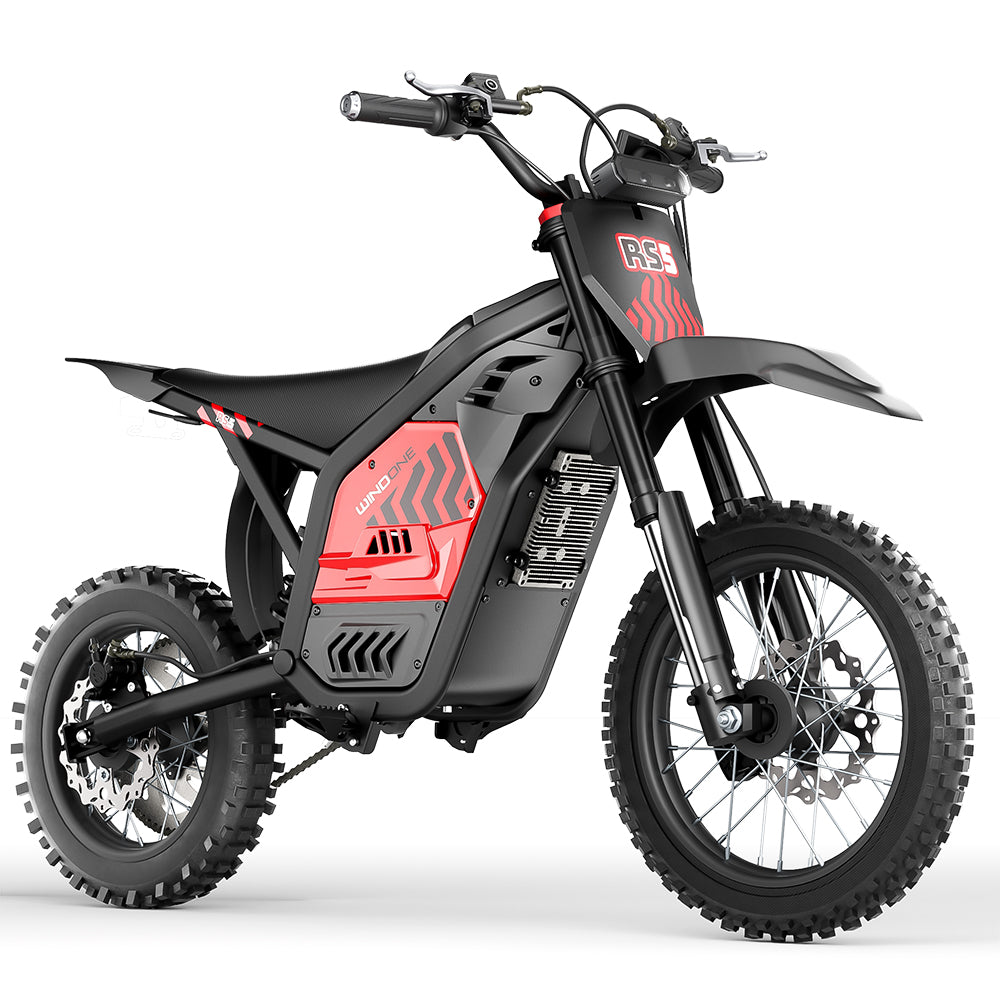
Among these activities, off-road riding has emerged as a powerful combination of physical movement, mental focus, outdoor immersion, and controlled adrenaline. Whether riding an electric dirt bike, fat tire e-bike, ATV, or trail-ready off-road vehicle, the experience offers mental health benefits that extend far beyond simple entertainment.
For many riders, off-road exploration becomes a form of therapy, one that combines adventure, mindfulness, stress relief, and confidence-building in a way few activities can replicate.
Why Outdoor Adventure Impacts Mental Health
Mental health is deeply connected to the environment and lifestyle. Studies in environmental psychology and neuroscience consistently show that spending time outdoors can:
- Lower cortisol (stress hormone) levels
- Reduce anxiety and mental fatigue
- Improve mood and emotional regulation
- Enhance focus and cognitive performance
- Increase feelings of freedom and self-confidence
Off-road riding amplifies these effects because it combines nature exposure with active engagement and full-body concentration.

Unlike passive relaxation activities, trail riding requires riders to stay mentally present, physically responsive, and environmentally aware, creating a strong “mind-body reset” effect.
1. Off-Road Riding Reduces Stress Through Total Mental Focus
One of the most immediate psychological benefits of off-road riding is the way it forces the brain to focus entirely on the present moment.
When navigating:
- dirt trails
- rocky terrain
- forest paths
- hills or uneven surfaces
the mind naturally shifts attention away from work stress, social pressure, and daily worries.
This is similar to a psychological state known as flow state, a condition where a person becomes fully immersed in an activity with complete concentration and reduced mental distraction.
During off-road riding:
- attention narrows to terrain and movement
- repetitive stress thoughts decrease
- the nervous system becomes more regulated
- mental clutter temporarily fades
For many riders, even a short trail session can provide the same sense of mental reset that others seek through meditation or extended vacations.

2. Nature Exposure Improves Emotional Well-Being
Off-road riding naturally places riders in outdoor environments that support psychological recovery.
Research has repeatedly linked natural environments with:
- lower anxiety levels
- improved mood stability
- reduced symptoms of burnout
- greater emotional resilience
Forests, mountains, open trails, and rural landscapes provide a break from the overstimulation of urban life.
Natural scenery also reduces what psychologists call attention fatigue, the mental exhaustion caused by prolonged screen use, multitasking, and constant information processing.
Even the sensory elements of trail riding contribute positively:
- fresh air
- sunlight exposure
- changing scenery
- natural sounds
- reduced digital interruption
Together, these create an environment that encourages mental decompression.

3. Riding Builds Confidence and Mental Resilience
Off-road terrain constantly presents small challenges:
- navigating loose gravel
- climbing steep hills
- learning throttle control
- improving balance and coordination
- adapting to changing conditions
Successfully overcoming these obstacles builds a sense of competence and self-trust.
This process strengthens:
- confidence
- adaptability
- emotional resilience
- problem-solving ability
Mental health experts often emphasize the importance of mastery experiences, situations where individuals successfully overcome challenges, as a key factor in long-term psychological well-being.
Off-road riding provides these experiences naturally and repeatedly.

4. Physical Activity Supports Brain Health
Although many riders focus on the adventure aspect, off-road riding is also a form of physical exercise.
Depending on terrain and riding style, it engages:
- core muscles
- legs and arms
- posture stabilization
- reaction speed
- cardiovascular activity
Physical movement directly supports mental health by increasing:
- endorphin production
- dopamine regulation
- serotonin balance
- blood circulation to the brain
Regular outdoor activity is strongly associated with reduced symptoms of:
- stress
- anxiety
- depression
- mental fatigue
This is especially important for people who spend long hours indoors or working in highly sedentary environments.

5. Adventure and Controlled Adrenaline Can Improve Mood
Off-road riding delivers a healthy level of excitement and stimulation.
Controlled adrenaline exposure can:
- increase alertness
- improve mood
- create excitement and motivation
- interrupt repetitive mental patterns
Unlike unhealthy stress, recreational adrenaline in a safe environment often produces feelings of achievement, energy, and emotional release.
This explains why many riders describe trail riding as:
- mentally refreshing
- emotionally freeing
- energizing
- confidence boosting
Adventure activities help break routine, which can be psychologically valuable for individuals experiencing burnout or emotional stagnation.

6. Riding Encourages Social Connection
Mental health is also influenced by social interaction and community.
Off-road riding communities often create opportunities for:
- group rides
- trail events
- outdoor trips
- skill sharing
- rider support networks
Positive social experiences help reduce feelings of isolation while increasing motivation and emotional well-being.
Even riders who prefer solo adventures often benefit from the broader sense of belonging that riding culture provides.
Brands like Windone continue to support outdoor riding culture by promoting adventure-focused mobility experiences that encourage riders to explore beyond urban environments.
7. Off-Road Riding Encourages Digital Detox
Modern mental fatigue is heavily linked to constant digital exposure.

Notifications, emails, social media, and nonstop connectivity keep the brain in a heightened state of stimulation.
Off-road riding naturally limits digital distraction because riders must remain attentive to terrain, surroundings, and safety conditions.
Time spent on trails often means:
- less screen exposure
- fewer notifications
- reduced information overload
- improved mental clarity
This temporary disconnection can help the nervous system recover from digital fatigue.
Safety Matters for Positive Mental Benefits
Mental health benefits are strongest when riding remains safe and controlled.
Important safety habits include:
- wearing protective gear
- choosing terrain appropriate for skill level
- staying hydrated
- riding within safe speed limits
- maintaining the vehicle properly
- avoiding rider fatigue in extreme weather
Confidence grows most effectively when riders gradually build skill rather than push beyond their limits too quickly.

Best Types of Off-Road Riding for Stress Relief
Different riding styles offer different psychological experiences.
| Riding Style | Mental Health Benefits |
| Forest Trail Riding | Relaxation, mindfulness, reduced anxiety |
| Mountain Terrain Riding | Confidence building, focus, achievement |
| Sand & Open Terrain Riding | Freedom, excitement, mood elevation |
| Group Adventure Riding | Social connection, motivation |
| Solo Exploration Riding | Reflection, mental reset, emotional clarity |
Final Thoughts
Off-road riding is more than a recreational hobby, it can be a highly effective way to support mental well-being in an increasingly stressful and digitally overloaded world.
By combining:
- outdoor immersion
- physical movement
- focused attention
- adventure
- skill development
- emotional release
off-road riding creates a unique mental reset that many riders find deeply restorative.
Whether exploring forest trails, mountain paths, or open terrain, the experience offers a powerful reminder that mental recovery often begins by stepping away from routine and reconnecting with movement, nature, and challenge.