
 Ebike Locks
 Phone Mount
 Payment
 Afterpay Financing
 Warranty
 Shipping Policy
 Exclusive Discounts
 Track Your Order
 Return & Refund
 Referrals & Membership
 User Manual
 Contact Us
 FAQs
FAQs
Commuting can look very different from one city to another, from fast train rides to long walks, crowded buses, or congested car traffic. As more people seek efficient, affordable, and sustainable ways to travel daily, electric scooters (e-scooters) and electric bicycles (e-bikes) have become two of the most popular personal mobility options worldwide. But which one is better for commuting?
In this article, we break down the key differences between e-scooters and e-bikes and help you decide which is the best fit for your daily journey.
What Are E-Scooters and E-Bikes?
- E-Scooter: A lightweight, electrically powered standing scooter that’s compact and easy to fold. Riders stand on a deck and control the vehicle using handlebars.
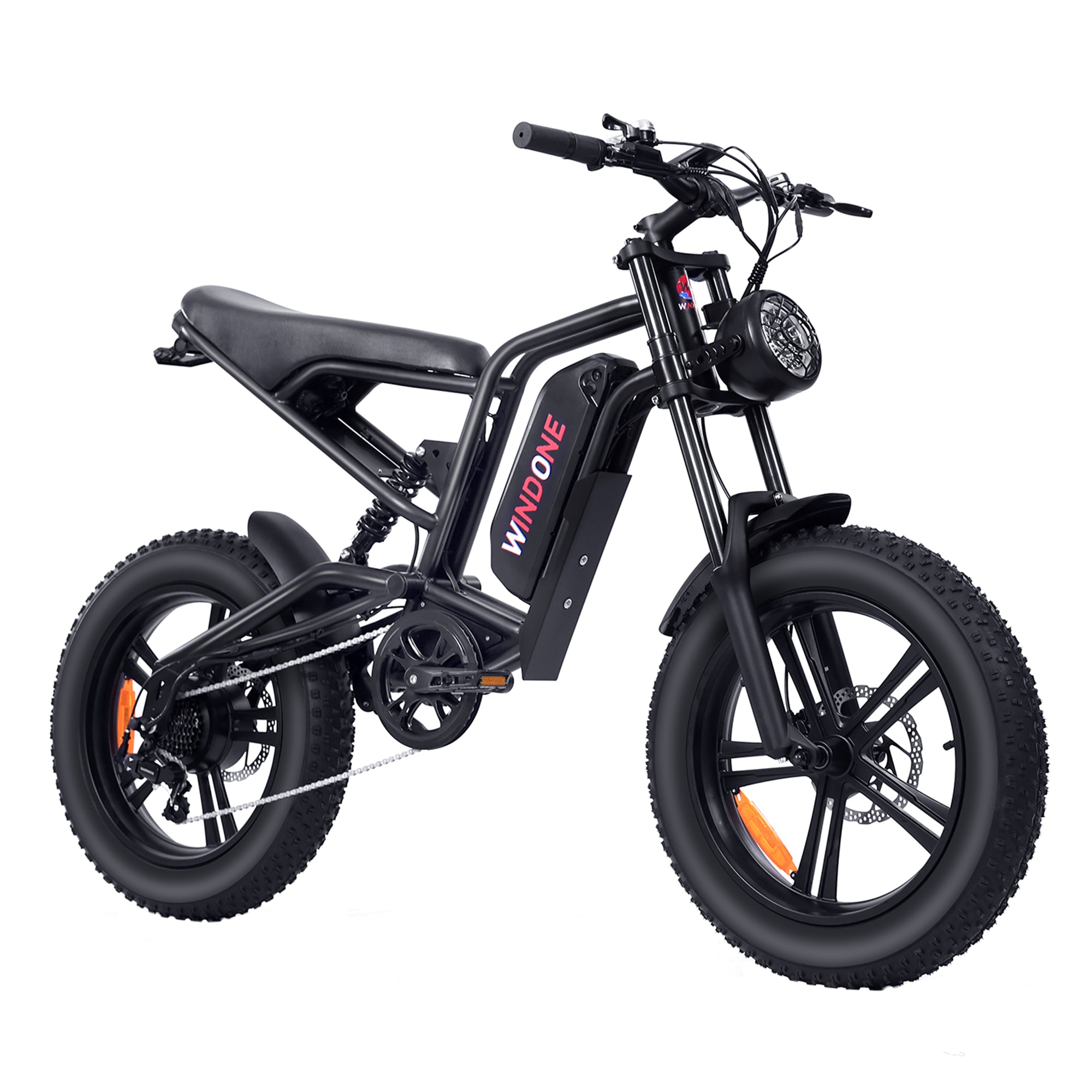
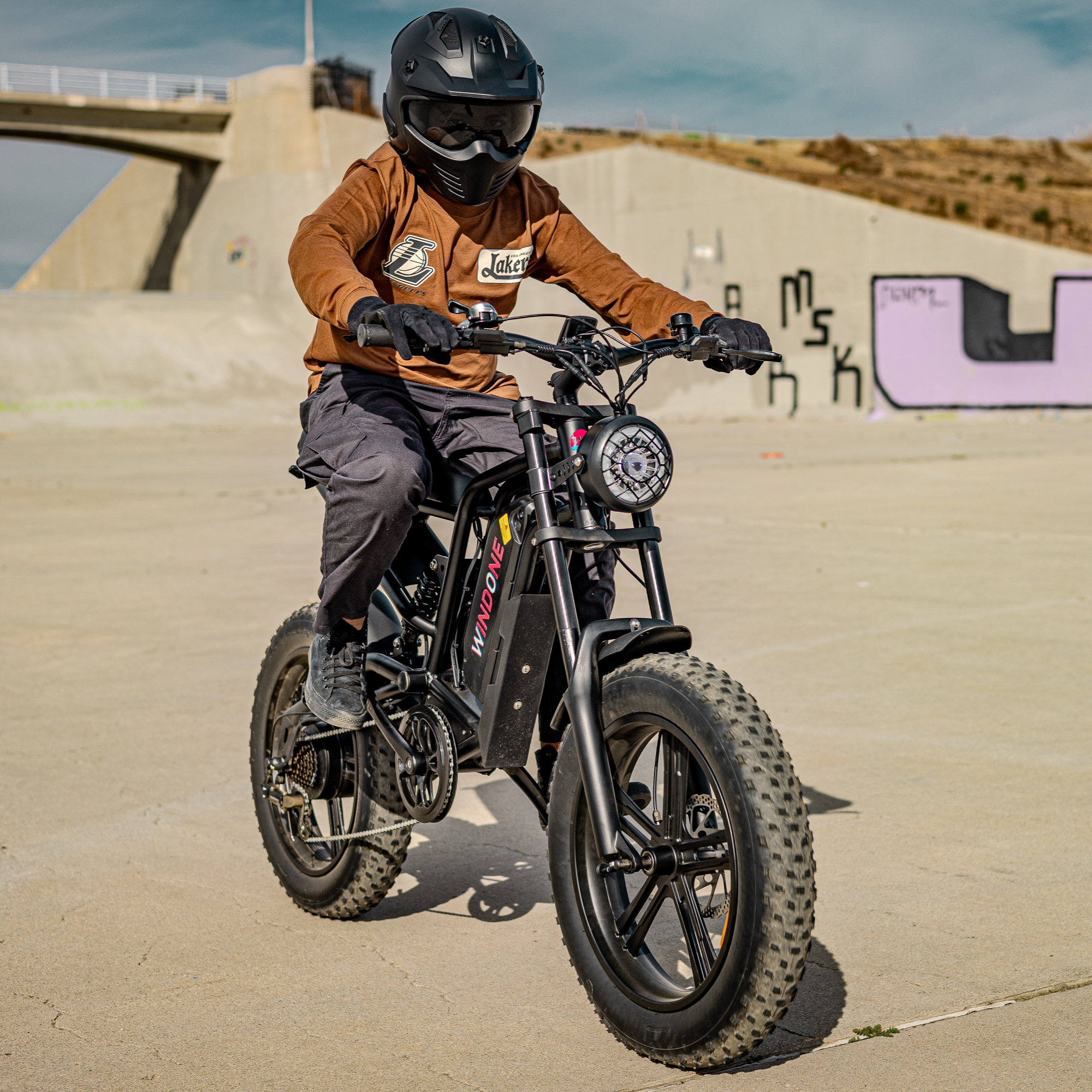
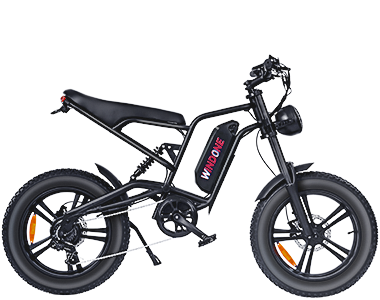
- E-Bike: An electric bicycle that blends traditional pedaling with motor assistance. Most e-bikes allow riders to pedal manually while the motor provides additional power.
Both offer zero-emission travel, but the experience and benefits differ in several important ways.

1. Distance and Daily Range: E-Bikes are Built for Longer Commutes
One of the most significant differences is range:
- E-bikes typically travel 40–80 miles per charge, depending on battery size and riding conditions.
- E-scooters usually provide 10–30 miles per charge, which is enough for many short urban trips but may fall short for longer commutes.
This makes e-bikes especially suitable for mid-to-long commutes, particularly in sprawling cities or suburbs where workplaces may be 10–20 miles away.
2. Comfort and Ride Experience: Seated Comfort vs Standing Convenience
E-bikes offer a seated position, ergonomic posture, and larger wheels, which help absorb bumps, reduce rider fatigue, and improve stability, especially important for longer rides or uneven roads.
E-scooters, with their smaller wheels and standing platform, can feel more jolting on rough surfaces and may be less comfortable over longer distances.
For daily commuting, especially over varied terrain or longer routes, many riders find e-bikes more comfortable.

3. Safety and Stability: E-Bikes Tend to Be Safer Overall
E-bikes generally provide:
- Larger wheels that handle potholes and bumps better
- A lower center of gravity
- More stable balance when braking or turning
According to safety comparisons, e-bikes score higher for stability and control, important factors when navigating urban traffic.
E-scooters, while agile, can be more sensitive to small road imperfections and require good suspension and careful riding on tricky surfaces.
4. Portability and First-/Last-Mile Flexibility: E-Scooters Are Compact and Easy to Carry
If your commute involves public transportation, such as trains or buses, e-scooters have an edge:
- Lighter and smaller than e-bikes
- Easy to fold and bring indoors
- Can be stored under desks or in apartments
This makes e-scooters great for “first/last-mile” segments of a commute when you need something compact to bridge the gap between transit and your final destination.
E-bikes are less portable and harder to carry upstairs or onto trains unless specifically designed to fold, such as folding electric bikes.

5. Energy Efficiency and Cost Savings
Both e-bikes and e-scooters are far more energy-efficient than cars. Even with high electricity prices, estimates show that a 10-mile round-trip commute can cost well under $20 per year for electric micromobility vehicles, a fraction of car fuel costs.
Beyond energy savings:
- E-scooters tend to be less expensive upfront and require lower maintenance.
- E-bikes offer the added benefit of pedal assist, saving battery and giving physical exercise benefits.
6. Practical Considerations for Commuters
Choose an E-Bike if:
- You commute longer distances regularly
- You want comfort and stability on varied road surfaces
- You carry items like backpacks or bags
- You want pedal assist and more range
Choose an E-Scooter if:
- Your commute is short and urban
- You combine riding with public transport
- You need something compact and easy to store
- You want a simple, lightweight ride
Looking at the Trends
The popularity of electric micromobility options has been rising steadily over the past few years, driven by a combination of urban congestion, rising transportation costs, and growing environmental awareness. This trend accelerated sharply during the COVID-19 pandemic, when commuters actively sought alternatives to crowded public transportation and daily car use.

In the United States, e-bike sales surged by nearly 190% year-over-year in 2020, marking one of the fastest growth periods the category has ever seen. For many commuters, e-bikes offered a practical middle ground: longer range and comfort than traditional bicycles, but far lower cost and hassle than cars.
Beyond the pandemic effect, the long-term appeal of e-bikes lies in their ability to support daily commuting at scale. Improvements in battery technology, wider availability of bike lanes, and government incentives in many regions have all contributed to sustained adoption. E-bikes are increasingly viewed not as recreational products, but as legitimate transportation tools capable of replacing short- to mid-distance car trips.
At the same time, the global market for e-scooters and related micromobility vehicles is also expanding rapidly. Electric scooters, in particular, have benefited from their compact size, ease of use, and suitability for dense urban environments.
Industry forecasts estimate that the global e-scooter market is expected to exceed $40 billion by 2026, reflecting strong demand from both individual consumers and shared mobility services. Cities around the world are integrating e-scooters into broader transportation ecosystems, especially as first- and last-mile solutions connected to public transit.
Taken together, these trends highlight a broader shift in how people think about commuting. Instead of relying solely on cars or public transportation, more commuters are turning to electric micromobility as a flexible, efficient, and cost-effective alternative. Whether through e-bikes for longer, comfort-focused commutes or e-scooters for short, highly portable trips, electric micromobility is becoming a permanent part of modern urban transportation rather than a temporary trend.
Final Thought: Which Is Better?
There’s no universally “better” choice; it depends on your commute style, distance, city infrastructure, and storage needs. For many daily commuters, however, e-bikes offer greater range, comfort, and stability, which makes them especially effective for regular commuting needs on varied urban roads.
E-scooters, by contrast, shine in short, flexible commutes and seamless transit integration.
Both represent a shift toward smarter, cleaner, and more efficient daily travel, and both have a role to play in the future of urban commuting.