
 Ebike Locks
 Phone Mount
 Payment
 Afterpay Financing
 Warranty
 Shipping Policy
 Exclusive Discounts
 Track Your Order
 Return & Refund
 Referrals & Membership
 User Manual
 Contact Us
 FAQs

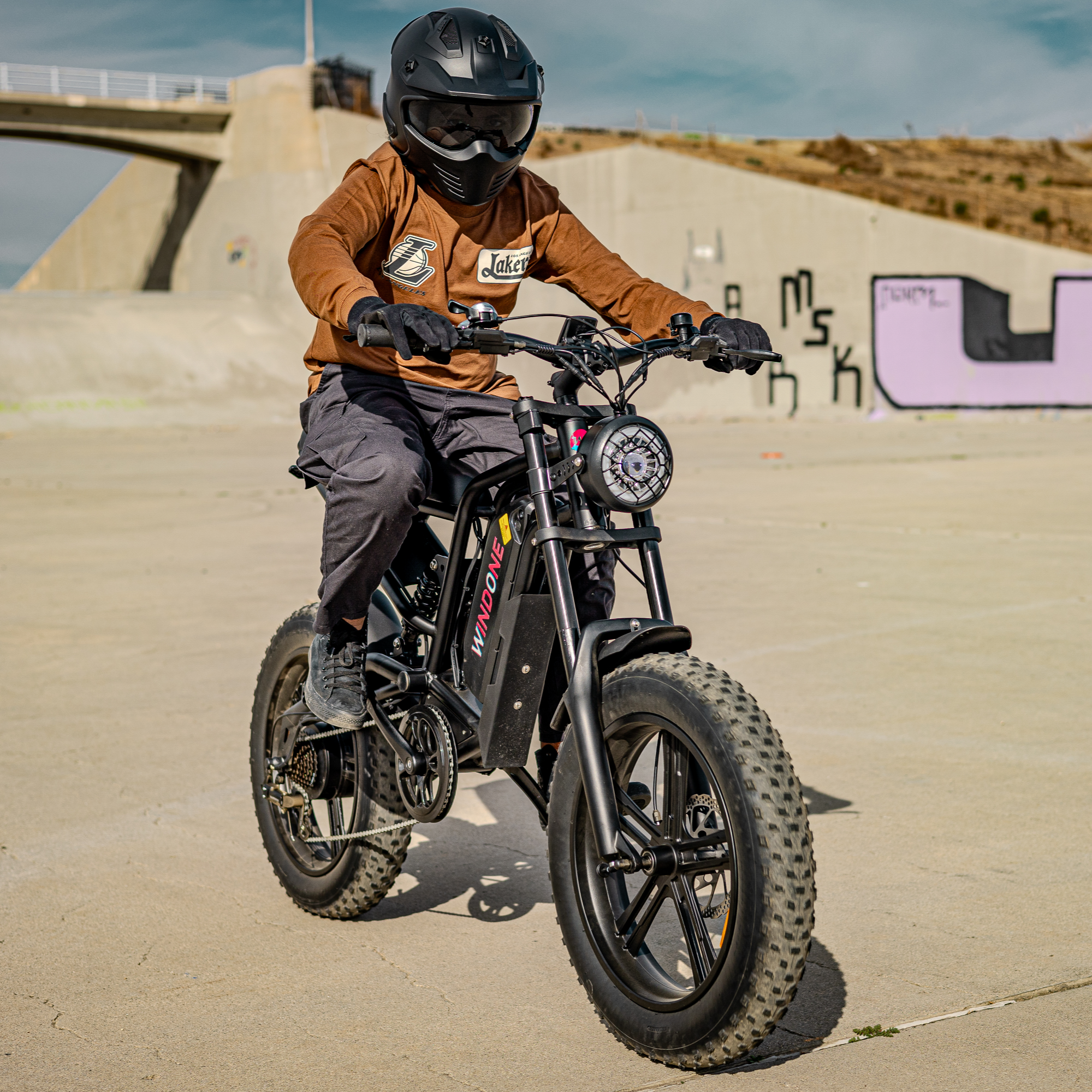
Riding an electric dirt bike can be an exciting way to explore trails, practice off-road skills, and enjoy powersports without a gas engine. But before you focus on speed, range, or finding your favorite trail, make sure you have the right protective gear.
So, what gear do you need to ride an electric dirt bike?
At a minimum, riders should wear a properly fitted DOT-compliant helmet, off-road goggles or appropriate eye protection, full-finger gloves, long pants, a long-sleeved jersey or shirt, and over-the-ankle boots. For additional protection, especially when riding trails, jumps, rough terrain, or at higher speeds, consider knee and elbow protection, a chest or body protector, and other impact protection.
The Motorcycle Safety Foundation recommends this basic combination for dirt bike riders, while the U.S. Consumer Product Safety Commission also recommends helmets and protective equipment for off-highway vehicle riding.
This guide explains what each piece of electric dirt bike gear does, what to prioritize when buying it, and what you should bring with you on the trail.
Electric Dirt Bike Gear Checklist
| Gear | Importance | Why You Need It |
| DOT-compliant full-face helmet | Essential | Protects your head and face |
| Dirt bike goggles | Essential | Protects eyes from dust, dirt, rocks, and branches |
| Full-finger gloves | Essential | Protects hands and improves grip |
| Over-the-ankle dirt bike boots | Essential | Protects feet and ankles |
| Long pants | Essential | Protects legs from abrasion, debris, and branches |
| Long-sleeve jersey/shirt | Essential | Adds protection from scratches and debris |
| Knee protection | Highly recommended | Helps protect knees during falls and impacts |
| Elbow protection | Highly recommended | Helps protect elbows from impacts and abrasion |
| Chest/back protector | Recommended | Adds protection for the torso |
| Neck brace | Situational | May provide additional protection for some off-road riding |
| Hydration pack | Recommended | Helps you carry water and essentials |
| Riding tool kit | Recommended | Useful for minor trail-side adjustments |
| First-aid kit | Recommended | Useful for minor injuries |
| Hearing protection | Situational | Useful during longer rides or high-noise environments |
1. A Properly Fitted Full-Face Helmet
If you only buy one piece of protective equipment for your electric dirt bike, start with the helmet.
For off-road riding, a full-face dirt bike or motocross-style helmet provides coverage for the head and includes a chin bar to protect the lower face. NHTSA specifically identifies extended chin-bar and visor helmets as suitable for motocross and other off-road activities.

For riders in the U.S., look for a helmet that meets DOT Federal Motor Vehicle Safety Standard (FMVSS) No. 218. NHTSA says compliant motorcycle helmets should have the DOT symbol and appropriate certification labeling.
What to look for in an electric dirt bike helmet
- DOT compliance
- Full-face coverage
- Secure chin strap
- Snug but comfortable fit
- Good ventilation
- Adequate peripheral vision
- Proper size for the rider
- Off-road-compatible design
A helmet should fit firmly without creating painful pressure points. It should not move excessively when you shake your head.
Also inspect the helmet regularly. If it has been involved in a significant crash, follow the manufacturer's replacement guidance rather than assuming it is still safe because the exterior looks fine.
Do you need a bicycle helmet?
For an electric dirt bike, don't automatically treat it like a conventional bicycle or low-speed e-bike.
An electric dirt bike can have substantially different speeds, weight, handling characteristics, and riding environments. The appropriate helmet should match the type of riding and vehicle involved. For off-road motorcycle-style riding, a purpose-built motorcycle/off-road helmet is the more relevant category.
2. Dirt Bike Goggles or Eye Protection
A helmet protects your head, but it does not necessarily protect your eyes from everything you encounter on a trail.
Dirt, dust, mud, insects, branches, and small rocks can hit your face while riding. Electric dirt bikes can also be relatively quiet compared with gas-powered motorcycles, so riders may spend more time focusing on trail conditions and other users rather than engine noise.
Dirt bike goggles are one of the most useful pieces of off-road riding gear.
Choose goggles that:
- Fit comfortably with your helmet
- Provide a wide field of vision
- Stay securely in place
- Have good ventilation
- Resist fogging
- Protect against dust and debris
Regular sunglasses are not a substitute for proper off-road goggles. The Motorcycle Safety Foundation specifically recommends goggles or a helmet with suitable face protection for dirt bike riding.
If you ride in particularly dusty conditions, consider carrying a spare lens or cleaning cloth.

3. Full-Finger Riding Gloves
Your hands are constantly involved in controlling an electric dirt bike.
You use them to operate the throttle and brakes, maintain your grip, and control the bike over uneven terrain. A fall can also put your hands directly on the ground.
A pair of full-finger dirt bike or motorcycle gloves can help protect against:
- Abrasion
- Dirt and debris
- Branches
- Blisters
- Minor impacts
- Loss of grip caused by sweat
Look for gloves with reinforced palms, durable materials, and adequate knuckle protection.
The Motorcycle Safety Foundation recommends off-highway gloves because they can provide both comfort and protection during a fall.
Avoid riding with bare hands simply because the weather is warm.
4. Over-the-Ankle Dirt Bike Boots
Footwear is another area where regular athletic shoes are not a good substitute for dedicated riding gear.
Electric dirt bikes are designed for uneven terrain, where your feet may encounter rocks, roots, mud, and other obstacles. Your feet also need to stay firmly positioned on the foot pegs.
For off-road riding, look for motorcycle or dirt bike boots that extend above the ankle.
Ideally, they should provide:
- Ankle support
- Toe protection
- Shin coverage
- A sturdy sole
- Secure closures
- Protection from impacts and abrasion
The Motorcycle Safety Foundation recommends strong, over-the-calf off-highway boots for protecting the feet, ankles, and lower legs.
Avoid flip-flops, sandals, casual sneakers, or other footwear that leaves your feet and ankles exposed.
5. Long Pants and a Riding Jersey
You don't necessarily need a heavily armored suit for every casual trail ride, but your arms and legs should not be exposed.
A long-sleeved riding jersey and long pants provide a basic layer of protection against:
- Branches
- Brush
- Dirt
- Small debris
- Scratches
- Abrasion during a low-speed fall
Dedicated dirt bike pants are preferable because they are designed around the riding position and can accommodate knee protection underneath.
The Motorcycle Safety Foundation identifies long sleeves and long pants as minimum off-highway rider protection.

What makes dirt bike pants different from ordinary pants?
Riding pants are typically designed to withstand more abrasion and movement than everyday clothing. They may also provide additional room around the knees for protective gear.
Jeans are better than shorts, but purpose-built riding pants provide a more appropriate combination of fit, durability, and compatibility with armor.
6. Knee Protection
Knee injuries are a concern during off-road riding because your legs can contact the ground, bike, rocks, or other obstacles during a fall.
At a minimum, consider knee guards that fit securely and allow you to move naturally while standing or sitting on the bike.
For more aggressive riding, some riders choose articulated knee braces or more substantial knee protection.
Consider stronger knee protection if you:
- Ride at higher speeds
- Ride rocky or technical trails
- Practice jumps
- Frequently stand on the foot pegs
- Ride for long periods
- Have a history of knee injuries
The right level of protection depends on the type of riding rather than simply whether the bike is electric or gas-powered.
7. Elbow Guards
Elbow guards aren't always necessary for a slow, easy trail ride, but they can be a useful addition as the terrain and riding speed become more demanding.
During a fall, riders may instinctively extend their arms or land on their sides. Elbow protection can help reduce direct impact and abrasion.
Look for guards that:
- Stay in place while riding
- Allow full arm movement
- Fit underneath or over your jersey as intended
- Do not interfere with your controls
If you're already wearing a comprehensive upper-body protector, separate elbow guards may or may not be necessary depending on its design.
8. Chest and Back Protection
For riders who spend more time on technical trails, faster terrain, or jumps, consider adding a chest protector, back protector, or full body armor.
This gear can provide additional protection for the torso during impacts and falls.
Options include:
Chest protector
Primarily covers the chest and may also extend to the shoulders or upper back.
Back protector
Adds protection along the spine and back.
Full upper-body armor
Combines several protective areas into one piece of equipment.
NHTSA notes that protective motorcycle clothing and impact-resistant armor can help reduce certain injuries from crashes and impacts.

For casual riders, this may not be the first piece of gear to purchase. For more demanding off-road riding, however, it can become an important part of a complete protection setup.
9. Consider a Neck Brace for More Aggressive Riding
A neck brace is not essential equipment for every electric dirt bike rider, but it is something experienced off-road riders may consider.
Neck braces are designed to work with compatible helmets and protective equipment and can change how forces are transferred during certain types of crashes.
If you are considering one, make sure it is compatible with your helmet, chest protector, and riding position. It should also allow you to move your head naturally.
Rather than adding every possible piece of protective equipment immediately, build your setup around your actual riding environment and skill level.
10. Don't Forget the Gear You Carry
Protective equipment is only part of being prepared for an electric dirt bike ride.
If you're riding away from home, especially on trails or unfamiliar terrain, consider carrying:
- Water or a hydration pack
- Phone
- GPS or navigation device
- Small first-aid kit
- Basic multi-tool
- Tire repair supplies appropriate for your bike
- Spare fasteners if recommended by the manufacturer
- Emergency contact information
- Weather-appropriate clothing
For longer rides, a small backpack or hydration pack can be useful, but avoid loose straps or objects that can interfere with the rider or controls.
Essential vs. Recommended Electric Dirt Bike Gear
If you're buying gear for the first time, you don't necessarily need to purchase everything at once.
A practical approach is to start with the equipment that protects the most vulnerable areas and then add protection based on your riding style.
Start with these essentials
- DOT-compliant full-face helmet
- Dirt bike goggles
- Full-finger gloves
- Over-the-ankle boots
- Long pants
- Long-sleeved jersey or shirt
Then consider adding
- Knee guards
- Elbow guards
- Chest/back protector
- Neck brace
For trail rides, also bring water, a phone, and basic emergency supplies.
How to Choose Electric Dirt Bike Gear for Your Riding Style
The right gear setup can vary considerably depending on where and how you ride.

| Riding Style | Suggested Gear Level |
| Beginner, low-speed practice | Helmet, goggles, gloves, boots, long pants and sleeves |
| Casual trail riding | Basic gear + knee protection |
| Rocky or technical trails | Basic gear + knee/elbow + chest/back protection |
| Faster off-road riding | Full protective setup + stronger boots and armor |
| Motocross/jumps | Full-face helmet, goggles, boots, body armor, knee protection and other motocross-specific equipment |
The key point is simple: higher speeds and more technical terrain generally increase the value of additional protective equipment.
Electric Dirt Bike Gear for Kids and Younger Riders
If the rider is a child or teenager, choosing the correct size of both the bike and protective equipment is particularly important.
A child should not simply use an adult-sized dirt bike because they can physically reach the controls.
The CPSC recommends that riders younger than 16 use age-appropriate youth models rather than adult models for off-highway vehicles.
Parents should also check:
- Manufacturer age recommendations
- Rider height
- Rider weight
- Ability to reach the controls
- Ability to operate the brakes
- Helmet fit
- Protective gear fit
- Riding environment
- Local rules and trail requirements
Protective gear that is too large can move out of position during a crash. Gear that is too small can restrict movement or fail to provide adequate coverage.
Do Electric Dirt Bikes Need Different Safety Gear Than Gas Dirt Bikes?
Generally, the fundamental protective gear is similar.
An electric dirt bike may use a battery and electric motor instead of a gasoline engine, but the rider can still fall, collide with obstacles, lose traction, or encounter uneven terrain.
That means the basic protection remains relevant:
Helmet + goggles + gloves + boots + long pants + long sleeves + appropriate armor.
The biggest differences are usually related to the bike itself rather than the rider's protective equipment.
For example, an electric dirt bike may produce less engine noise, so riders should not assume that pedestrians, cyclists, or other trail users will hear them approaching. Maintaining awareness of your surroundings remains important.
What Should You Wear Under Dirt Bike Gear?
Comfort matters because uncomfortable gear is less likely to be worn correctly.
Depending on the weather, riders may wear:
- Moisture-wicking base layers
- Riding socks
- Compression layers
- Lightweight athletic layers
- Cold-weather base layers
Avoid loose clothing that can become caught on branches or interfere with controls.
In hot weather, ventilation becomes particularly important. In colder conditions, layer appropriately rather than wearing bulky clothing that interferes with protective equipment.

What About Rain and Wet Conditions?
Protective gear does not make an electric dirt bike automatically safe to ride in every weather condition.
Before riding in wet conditions, check the manufacturer's instructions for the specific electric dirt bike and understand its water-resistance limitations.
Wet terrain can also reduce traction and change braking and handling characteristics.
If you ride after rain:
- Wear weather-appropriate gear
- Use eye protection that maintains visibility
- Reduce speed when conditions require it
- Expect mud and slippery surfaces
- Avoid standing water when the manufacturer does not permit it
- Inspect and clean the bike afterward
Don't assume that because an electric dirt bike can handle some moisture, every component is designed for prolonged water exposure.
Electric Dirt Bike Safety Starts Before You Put Your Gear On
Protective equipment is important, but it isn't a substitute for checking the bike before every ride.
Before heading out, take a few minutes to inspect:
Tires
Check tire condition and pressure according to the manufacturer's recommendations.
Brakes
Make sure the brake levers feel normal and that the brakes engage properly.
Throttle
Confirm that the throttle operates smoothly and returns correctly.
Controls
Check the handlebars, grips, switches, and other controls.
Battery
Look for visible damage or other abnormalities. Do not ride with a battery that appears damaged.
Fasteners
Check critical bolts and fasteners, especially after riding rough terrain.
Protective gear
Make sure your helmet strap, goggles, gloves, boots, and armor are properly secured.
CPSC recommends checking an off-highway vehicle before riding and following the manufacturer's safety instructions, age recommendations, and weight limits.
Don't Forget Where You Are Allowed to Ride
Gear is only one part of responsible electric dirt bike riding.
Many electric dirt bikes are designed for off-road use rather than public-road use. Whether a particular electric dirt bike can legally be operated on public streets depends on the vehicle's classification, equipment, registration requirements, and the laws of the jurisdiction.
CPSC advises OHV riders to stay off paved roads except where crossing is permitted, while MSF similarly notes that dirt bikes are generally designed for off-highway operation.

Before your ride, check the rules for:
- Your state
- Local authorities
- The specific trail or OHV area
- Age requirements
- Helmet requirements
- Vehicle registration, if applicable
- Where electric dirt bikes are permitted
Don't assume that an electric dirt bike is street legal simply because it has lights or resembles a motorcycle.
A Simple Electric Dirt Bike Gear Checklist
Before your first ride, use this checklist:
Rider
- DOT-compliant full-face helmet
- Helmet securely fastened
- Dirt bike goggles
- Full-finger gloves
- Long-sleeved jersey or shirt
- Long riding pants
- Over-the-ankle boots
- Knee protection
- Elbow protection
- Chest/back protection when appropriate
Before the ride
- Check tire condition and pressure
- Test brakes
- Check throttle operation
- Inspect handlebars and controls
- Check battery condition
- Check important fasteners
- Confirm the bike is suitable for the rider
- Confirm the riding area allows electric dirt bikes
- Bring water and a phone
- Consider a basic first-aid kit
Frequently Asked Questions
What gear is required to ride an electric dirt bike?
At a minimum, riders should use a properly fitted helmet, eye protection, gloves, long pants, long sleeves, and over-the-ankle footwear. Additional protection such as knee guards, elbow guards, and chest/back protection is recommended for more demanding off-road riding.
Do I need a full-face helmet for an electric dirt bike?
A full-face off-road or motorcycle helmet is a practical choice for electric dirt bike riding because it provides head protection along with a chin bar and greater facial coverage. For U.S. riders, look for appropriate DOT/FMVSS No. 218 certification when a motorcycle helmet is applicable.
Are goggles necessary for dirt bike riding?
Goggles are strongly recommended for off-road riding because they help protect your eyes from dirt, dust, mud, insects, branches, and debris. The Motorcycle Safety Foundation specifically recommends goggles for dirt bike riding.
Can I wear regular sneakers on an electric dirt bike?
Regular sneakers do not provide the ankle, toe, shin, and sole protection of dedicated dirt bike or motorcycle boots. Over-the-ankle riding boots are a better choice for off-road riding.
Do I need knee and elbow pads?
They are not necessarily the first pieces of gear a beginner needs, but they are highly useful additions, particularly for rocky trails, technical riding, higher speeds, and situations where falls are more likely.
Do electric dirt bikes require different protective gear than gas dirt bikes?
The basic protective gear is largely the same. Both types of dirt bikes can involve falls, impacts, debris, and uneven terrain, so the rider's need for head, eye, hand, foot, and body protection remains.
What should kids wear when riding an electric dirt bike?
Young riders should wear appropriately sized protective gear, including a properly fitted helmet, goggles, gloves, long sleeves, long pants, and suitable boots. Knee, elbow, and body protection can provide additional coverage. The bike itself should also be appropriate for the rider's age and size. CPSC advises riders under 16 to use age-appropriate youth models rather than adult models.
Is protective gear enough to make electric dirt bike riding safe?
No. Protective gear can reduce exposure to certain injuries, but it does not eliminate the risks associated with off-road riding. Rider training, appropriate speed, a suitable riding area, a properly maintained bike, and following local rules are also important.