Ebike Locks
 Phone Mount
 Payment
 Afterpay Financing
 Warranty
 Shipping Policy
 Exclusive Discounts
 Track Your Order
 Return & Refund
 Referrals & Membership
 User Manual
 Contact Us
 FAQs
FAQs
Urban commuting is changing fast. As cities become more congested and people look for greener, more efficient ways to travel, commuter e-bikes have become one of the smartest alternatives to cars and public transit.
But with so many options on the market, a common question comes up:
What is the best commuter e-bike, and how do you choose the right one for your daily ride?
The truth is, the “best” commuter e-bike isn’t one specific model. It’s the one that fits your commute distance, riding environment, comfort needs, and lifestyle. This guide breaks down exactly what to look for when choosing the best commuter e-bike, so you can ride smarter every day.
What Makes an E-Bike a Good Commuter Bike?
A commuter e-bike is designed for reliability, efficiency, and comfort rather than off-road performance or extreme speed. The best commuter e-bikes share a few core characteristics:
- Comfortable geometry for daily riding
- Efficient motor assistance for stop-and-go traffic
- Practical features for real-world commuting
- Durable components that hold up to frequent use
Let’s look at each factor in detail.
1. Motor Type: Smooth Power Matters More Than Raw Speed

For commuting, how power is delivered is more important than maximum wattage.
Hub Motor vs. Mid-Drive Motor
Hub motors (rear or front) are common on commuter e-bikes because they’re:
- Quiet and smooth
- Lower maintenance
- Cost-effective
Mid-drive motors offer better hill performance but usually come with a higher cost and more drivetrain wear. For most city commuters, a rear hub motor provides more than enough assistance for:
- Starting at the traffic lights
- Maintaining steady cruising speeds
- Handling moderate inclines
Tip: Look for smooth acceleration and predictable power delivery rather than aggressive torque.
2. Battery Range: Match the Bike to Your Commute Distance

One of the biggest mistakes commuters make is either:
- Overpaying for a range they don’t need, or
- Choosing a battery that’s too small for daily use
How Much Range Do You Really Need?
- Short commute (5–10 miles round trip): 25–35 miles of range
- Medium commute (10–20 miles): 40–60 miles of range
- Long commute (20+ miles): 60+ miles, or charging at work
Also consider:
- Wind and hills
- Rider weight
- Assist level used
A commuter-friendly e-bike should easily handle several days of riding on a single charge, reducing charging stress.
3. Frame Design: Comfort and Practicality Come First

Step-Through vs. Step-Over Frames
Step-through frames are ideal for commuters who:
- Ride in everyday clothes
- Frequently stop and start
- Value easy mounting and dismounting
Step-over frames offer a more traditional bike feel and slightly more rigidity.
Riding Position
The best commuter e-bikes prioritize an upright or slightly relaxed riding position, which:
- Reduces back and wrist strain
- Improves visibility in traffic
- Makes longer rides more comfortable
4. Weight & Portability: Don’t Ignore This Factor
While e-bikes are heavier than regular bikes, commuter riders should still pay attention to weight, especially if you:
- Carry the bike upstairs
- Store it indoors
- Combine riding with public transit
A good commuter e-bike balances stability and portability, avoiding unnecessary bulk while remaining solid on the road.

5. Tires & Suspension: Built for City Streets
Tires
For commuting, look for:
- 2.0"–2.4" wide tires for comfort and grip
- Puncture-resistant construction
- Good performance on wet pavement
Suspension
- Front suspension helps absorb potholes and rough roads
- Full suspension is usually unnecessary for city commuting and adds weight
The goal is confidence and comfort, not trail performance.
6. Braking System: Safety in All Conditions
Daily commuters ride in traffic, rain, and unpredictable conditions. Reliable brakes are non-negotiable.
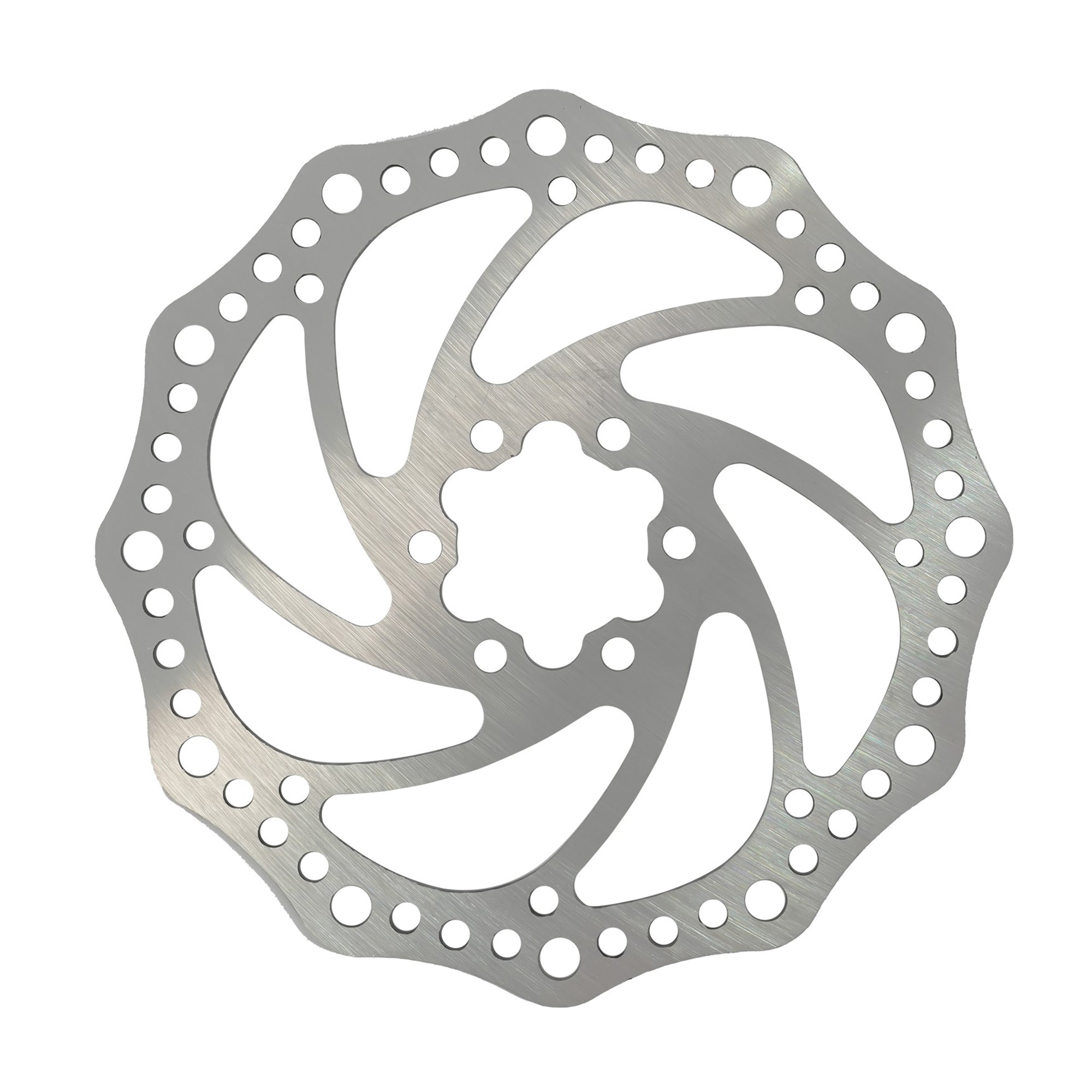
- Mechanical disc brakes: Simple and effective
- Hydraulic disc brakes: Stronger stopping power and better modulation
For urban riding, disc brakes are strongly recommended over rim brakes, especially in wet weather.

7. Built-In Commuter Features That Actually Matter
The best commuter e-bikes aren’t just about motor and battery; they’re about daily usability. Look for features like:
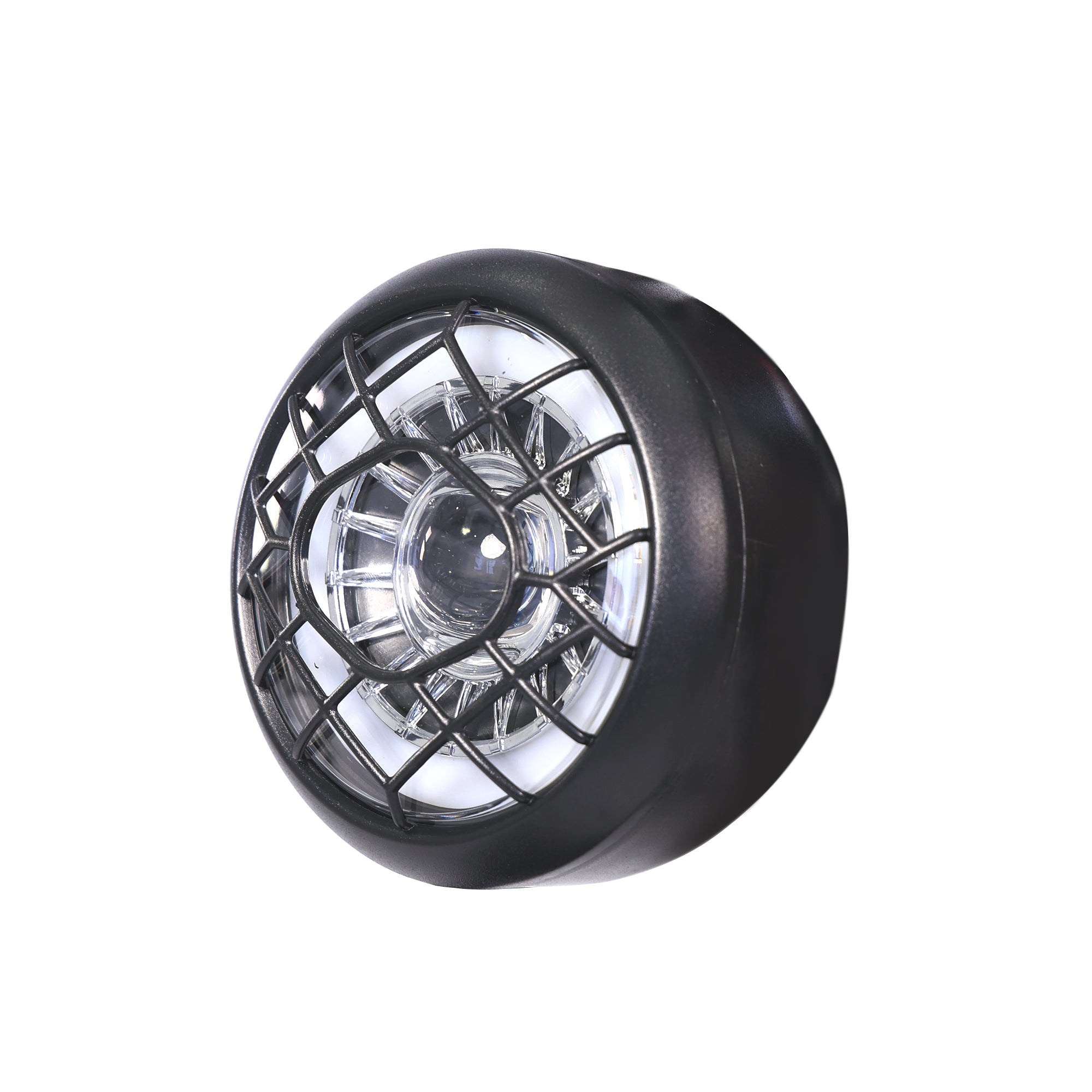
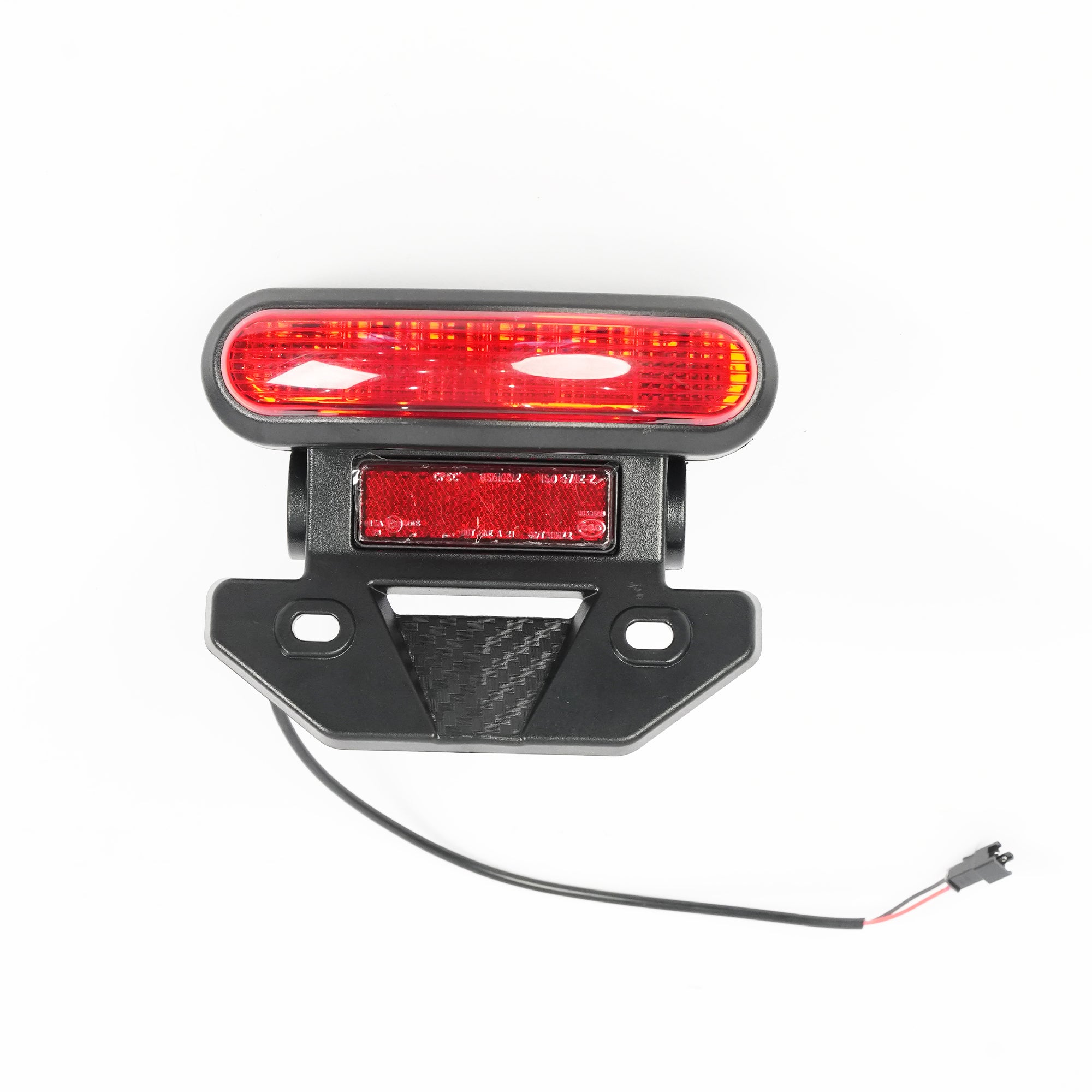
- Integrated lights (front and rear)
- Fenders to keep clothes clean
- Rear rack compatibility for bags or panniers
- Clear display showing speed, range, and assist level
These details turn an e-bike from a weekend toy into a true transportation tool.
8. Reliability & Support: The Long-Term Value Factor
A commuter e-bike is something you’ll ride hundreds of times a year, so reliability matters more than flashy specs. Before choosing:
- Check brand reputation
- Look for quality components
- Consider warranty and customer support
A well-built commuter e-bike saves time, money, and frustration over the long run.

Final Thoughts: What Is the Best Commuter E-Bike?
The best commuter e-bike is one that:
- Matches your daily distance
- Feels comfortable and intuitive
- Fits your storage and lifestyle needs
- Delivers consistent, reliable performance
Instead of chasing the highest speed or biggest battery, focus on balance—comfort, efficiency, and practicality.
At Windone, commuter-focused design means building e-bikes that fit naturally into daily life, making everyday rides smoother, easier, and more enjoyable.
Final Tip for First-Time Buyers
If you plan to ride your e-bike more than three times a week, prioritize comfort and reliability over extreme performance. A great commuter e-bike should feel like a dependable partner, not something you have to think about every ride.