
 Ebike Locks
 Phone Mount
 Payment
 Afterpay Financing
 Warranty
 Shipping Policy
 Exclusive Discounts
 Track Your Order
 Return & Refund
 Referrals & Membership
 User Manual
 Contact Us
 FAQs
FAQs
Buying an electric dirt bike is more complicated than choosing a bike based on top speed or motor wattage alone. Two models with similar specifications can deliver very different riding experiences depending on their battery capacity, motor configuration, suspension, brakes, frame design, weight, and intended use.
Whether you're buying an electric dirt bike for a child, a teenager, or an adult, the right choice depends on more than performance numbers. You need to consider where the bike will be ridden, who will ride it, how much experience they have, and what kind of maintenance and support you'll need after the purchase.
This electric dirt bike buying guide covers the key factors to evaluate before you buy, from motor power and battery range to suspension, safety features, sizing, charging, and total ownership costs.
1. Start With the Most Important Question: Who Will Ride It?
Before comparing specifications, determine the rider.
An electric dirt bike designed for a young beginner is fundamentally different from one designed for an experienced adult rider. Choosing a bike that is too powerful, too heavy, or too large can make it difficult to control, especially for someone who is still learning.
Consider these factors:
- Rider's age
- Rider's height
- Rider's weight
- Riding experience
- Physical strength
- Intended terrain
- Desired speed
- Whether the rider is still learning basic riding skills

Electric Dirt Bikes for Kids
For younger riders, controllability should generally take priority over maximum performance.
A suitable kids' electric dirt bike should have manageable power, an appropriate seat height, predictable acceleration, and a weight the rider can reasonably control.
Some models also offer multiple riding modes or adjustable speed settings. These features can be particularly useful because a beginner can start with a lower-power setting and gradually become more comfortable with the bike.
Parents should also consider whether the bike is actually designed for the rider's age and size rather than assuming that a smaller-looking bike is automatically suitable for children.
Electric Dirt Bikes for Teens
Teen riders may need more performance as their riding skills develop. However, the appropriate bike still depends on the rider's physical size and experience.
A teenager who is already comfortable riding off-road may be ready for a more capable model, while a first-time rider may benefit from a lower-power bike with easier acceleration control.
Electric Dirt Bikes for Adults
Adult riders typically need a larger frame, higher load capacity, stronger suspension, and greater overall performance.
However, adult riders should not automatically choose the most powerful model available. A bike that matches the rider's experience and intended terrain will generally be more useful than one selected purely for its highest top-speed specification.

2. Motor Power: Don't Look at Wattage Alone
Motor power is one of the first specifications shoppers notice, but it can also be one of the most misunderstood.
Electric dirt bike motors are commonly described using wattage, such as 500W, 750W, 1000W, or higher. In general, more motor power can provide stronger acceleration and better ability to maintain speed under load or on inclines.
But motor wattage alone does not tell you exactly how a dirt bike will perform.
Real-world performance also depends on:
- Motor type
- Peak vs. rated power
- Battery voltage
- Controller output
- Rider weight
- Terrain
- Tire design
- Gear ratio
- Riding mode
Rated Power vs. Peak Power
When comparing electric dirt bikes, make sure you understand whether the manufacturer is listing rated power or peak power.
Rated power describes the motor's continuous operating capability under specified conditions, while peak power represents the higher output the system can provide for shorter periods.
For example, a bike advertised with a 750W motor may have a higher peak output when accelerating or climbing. Comparing a model's 750W rated motor with another manufacturer's 750W peak rating would not necessarily be an apples-to-apples comparison.
Expert tip: Look at the complete power system instead of choosing a bike simply because it has the largest wattage number.

3. Hub Motor vs. Mid-Drive Motor
Motor placement can significantly influence the riding experience.
Hub Motor
A hub motor is integrated into one of the bike's wheels, typically the rear wheel on many electric dirt bikes.
Advantages include:
- Simple mechanical design
- Fewer moving drivetrain components
- Generally easier maintenance
- Direct power delivery
- Often lower cost
Hub motors can be an excellent choice for recreational riding and riders who want a relatively simple electric powertrain.
Mid-Drive Motor
A mid-drive motor is mounted near the center of the bike and transfers power through the drivetrain.
Potential advantages include:
- Better weight distribution
- Improved handling
- Efficient power delivery across varied terrain
- Better climbing characteristics when paired with appropriate gearing
- More centralized mass
Mid-drive systems can be particularly attractive for riders who frequently tackle hills, uneven terrain, or technically demanding trails.
Neither configuration is automatically better for every rider. The right choice depends on how and where you intend to ride.
4. Battery Capacity Determines More Than Range
Battery specifications are another major consideration.

You'll commonly see battery capacity expressed in watt-hours (Wh) or as voltage and amp-hours, such as:
48V 15Ah
You can estimate the battery's energy capacity using:
Voltage × Amp-hours = Watt-hours
So a 48V 15Ah battery has approximately:
48 × 15 = 720Wh
A larger battery generally provides more available energy, although actual riding range varies considerably.
What Affects the Real-World Range?
The advertised maximum range should be treated as a reference rather than a guarantee.
Actual range can be affected by:
- Rider weight
- Riding speed
- Terrain
- Inclines
- Riding mode
- Temperature
- Tire pressure
- Surface conditions
- Stop-and-go riding
- Battery age
For example, riding aggressively on steep trails will typically consume considerably more energy than riding at a moderate pace on relatively flat terrain.
Don't Buy Based on Range Alone
A bike claiming an extremely long range isn't necessarily the best choice if it doesn't have the motor performance, suspension, brakes, or ergonomics you need.
Instead, ask:
Does the battery provide enough usable riding time for my typical trips?
That's a much more useful question than simply comparing the biggest range number.

5. Charging Time and Battery Design Matter
Battery capacity is only half of the equation. You should also consider how the battery fits into your daily routine.
Check:
- Estimated charging time
- Charger specifications
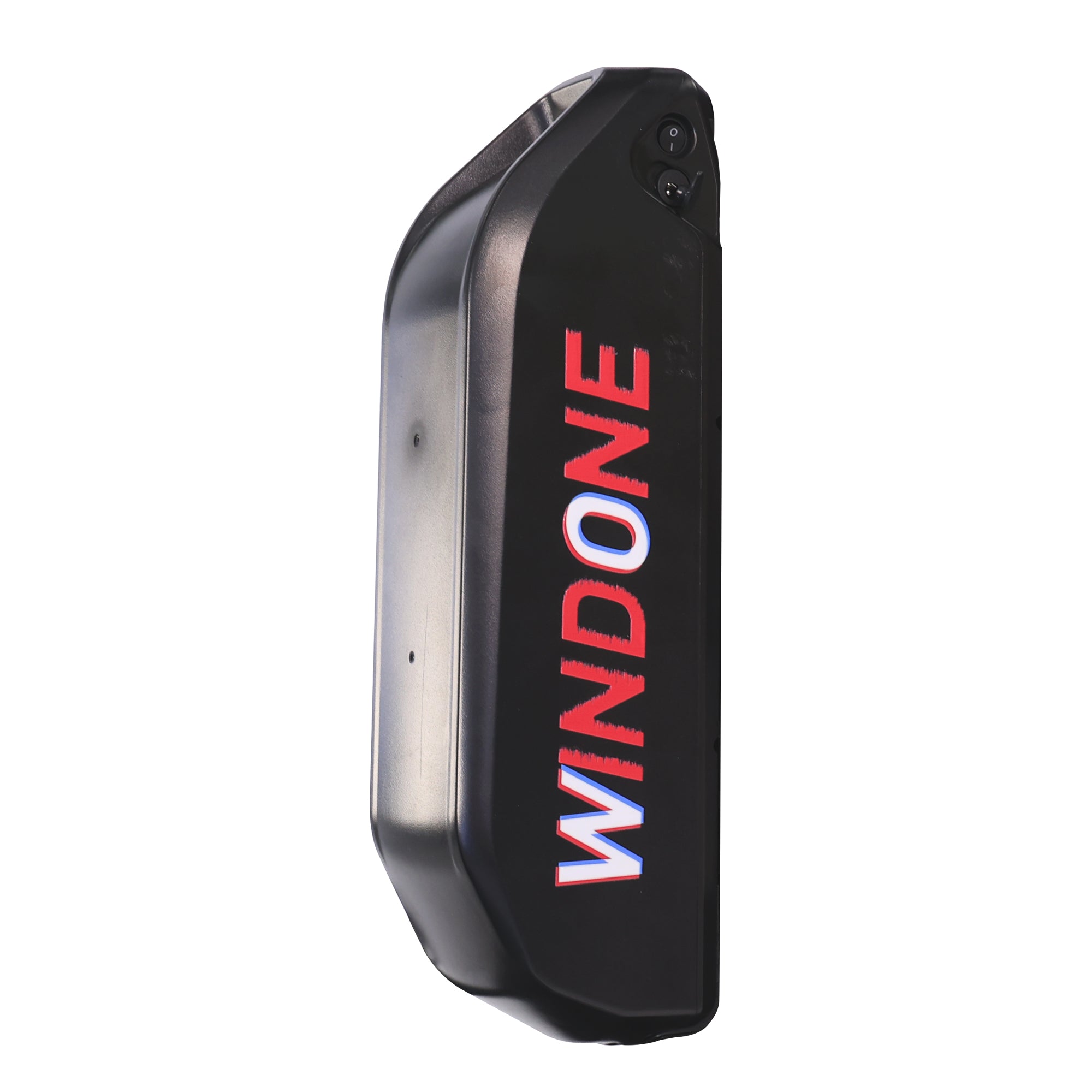
- Whether the battery is removable
- Where the battery can be charged
- Recommended storage conditions
- Battery warranty
- Replacement battery availability
A removable battery can be particularly convenient if you don't have a suitable charging location near where you store the bike.
Battery Safety
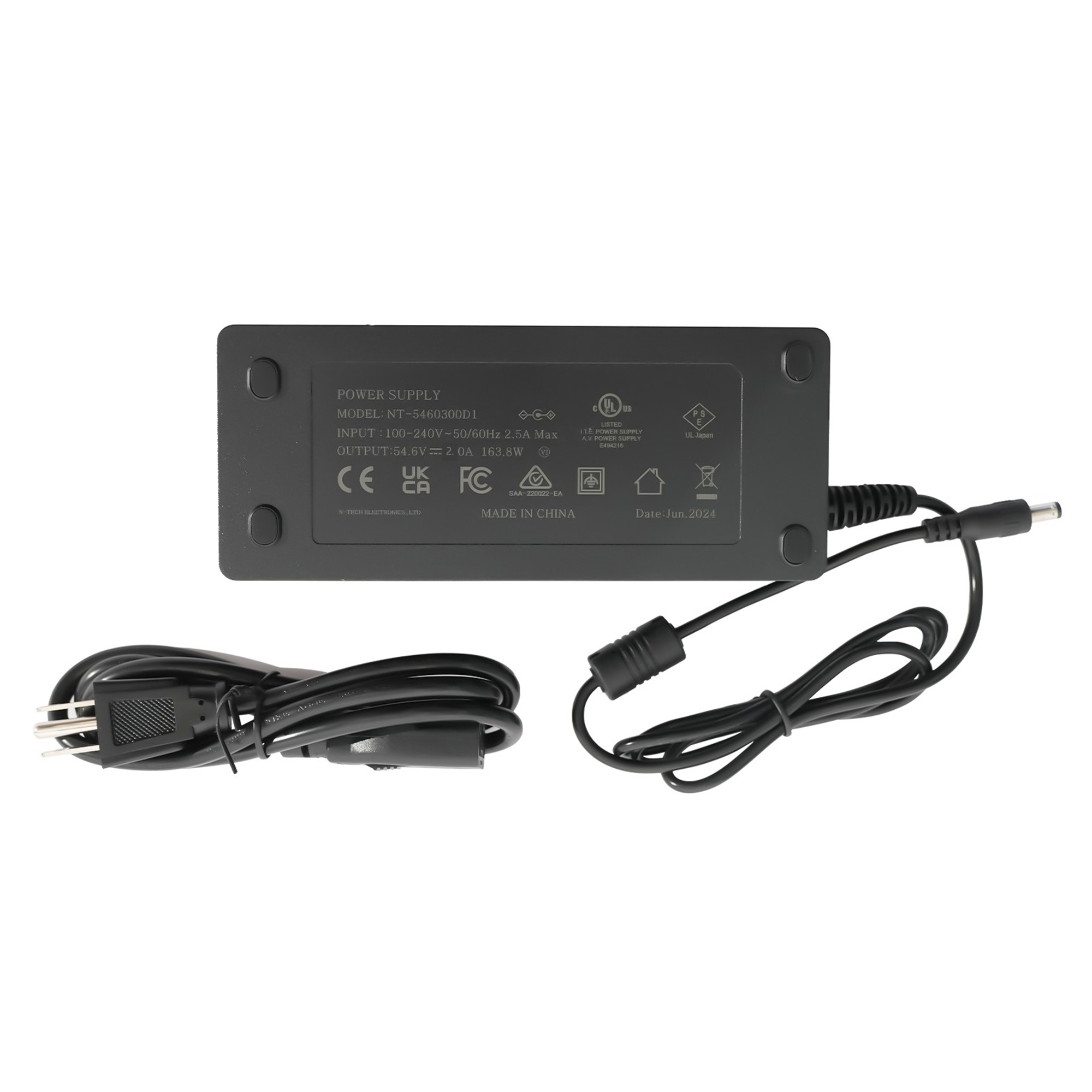
Only use the charger specified or approved by the manufacturer.
Do not use damaged batteries or chargers, and avoid charging a battery in conditions that are outside the manufacturer's recommendations.
Proper storage and charging practices are important for both battery performance and safety.
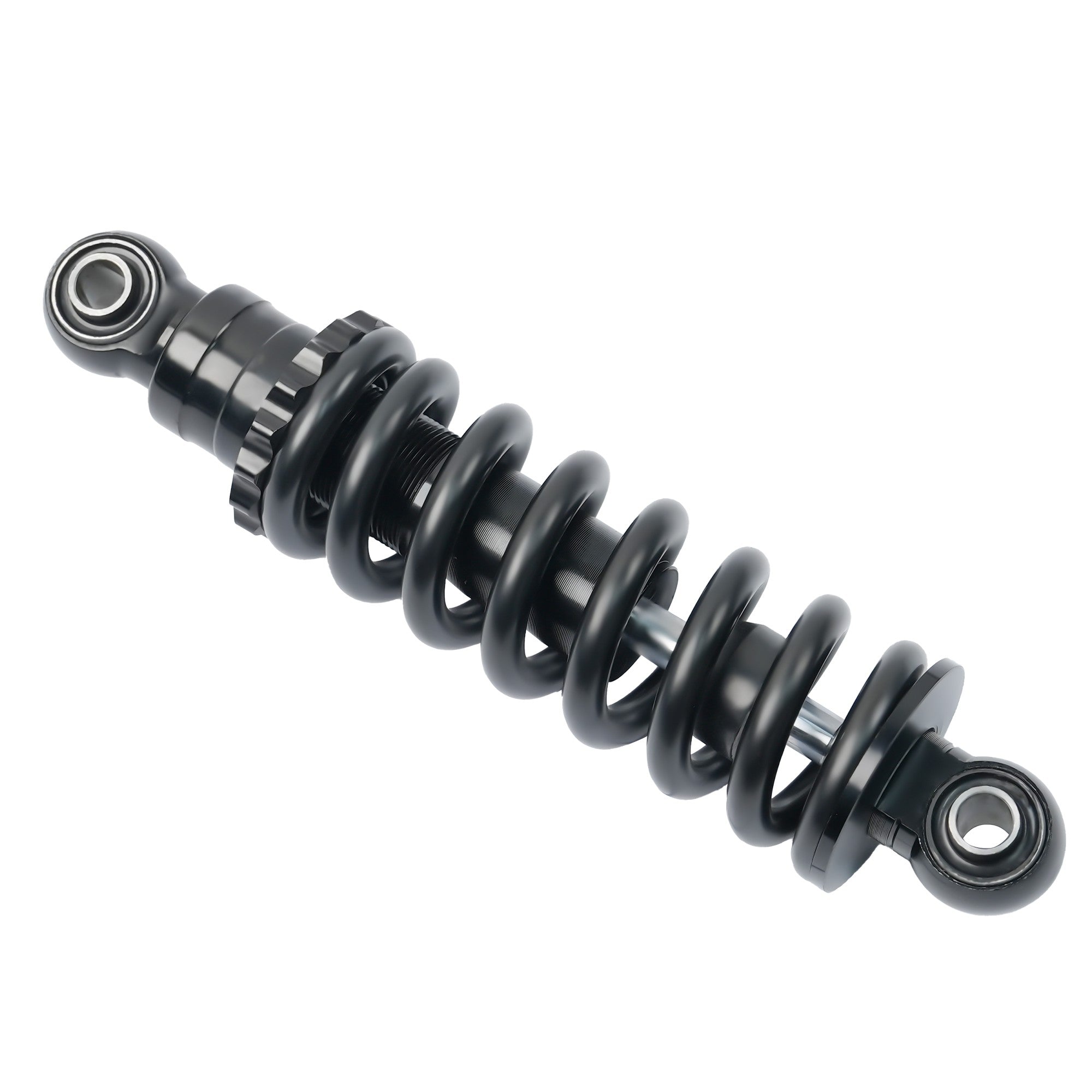
6. Suspension: One of the Most Important Off-Road Features
If you're buying an electric dirt bike for off-road riding, suspension deserves serious attention.
Unlike riding on smooth pavement, dirt trails can contain:
- Rocks
- Roots
- Ruts
- Bumps
- Jumps
- Loose soil
- Uneven surfaces
A capable suspension system helps the wheels maintain contact with the terrain while reducing the impact transmitted to the rider.

Front Suspension
A front fork helps absorb impacts at the front wheel and can improve steering control on uneven terrain.
Rear Suspension
Rear suspension helps absorb impacts through the rear of the bike and can make a significant difference when riding over rough surfaces.
What Should You Look For?
Don't simply ask whether a bike has "suspension."
Look at:
- Front suspension type
- Rear suspension configuration
- Suspension travel
- Adjustability
- Rider weight compatibility
- Intended terrain
For recreational trail riding, a basic suspension system may be sufficient. Riders who regularly tackle rougher terrain should pay closer attention to suspension quality and adjustability.
7. Brakes Are Just as Important as Motor Power
A more powerful electric dirt bike needs an equally capable braking system.
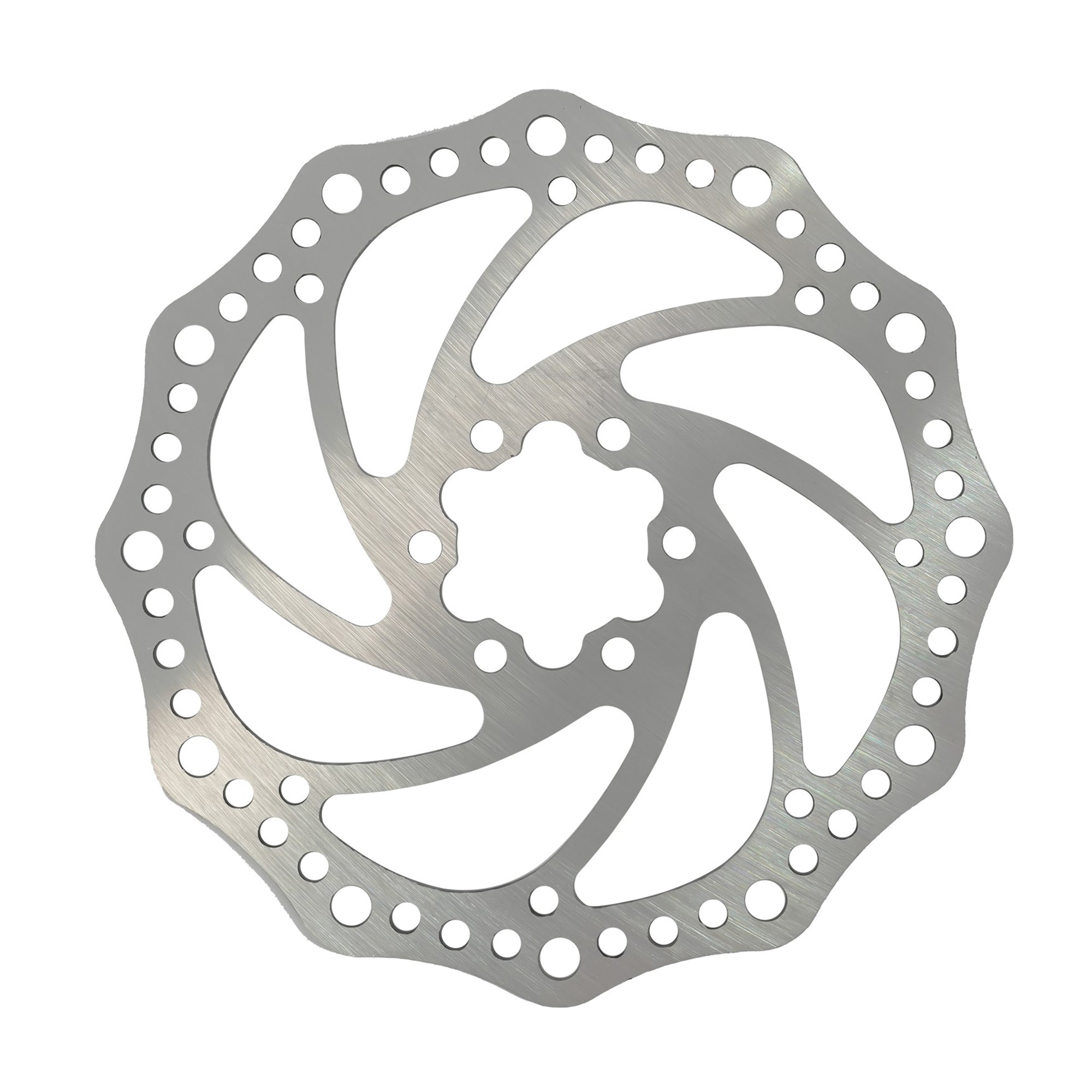
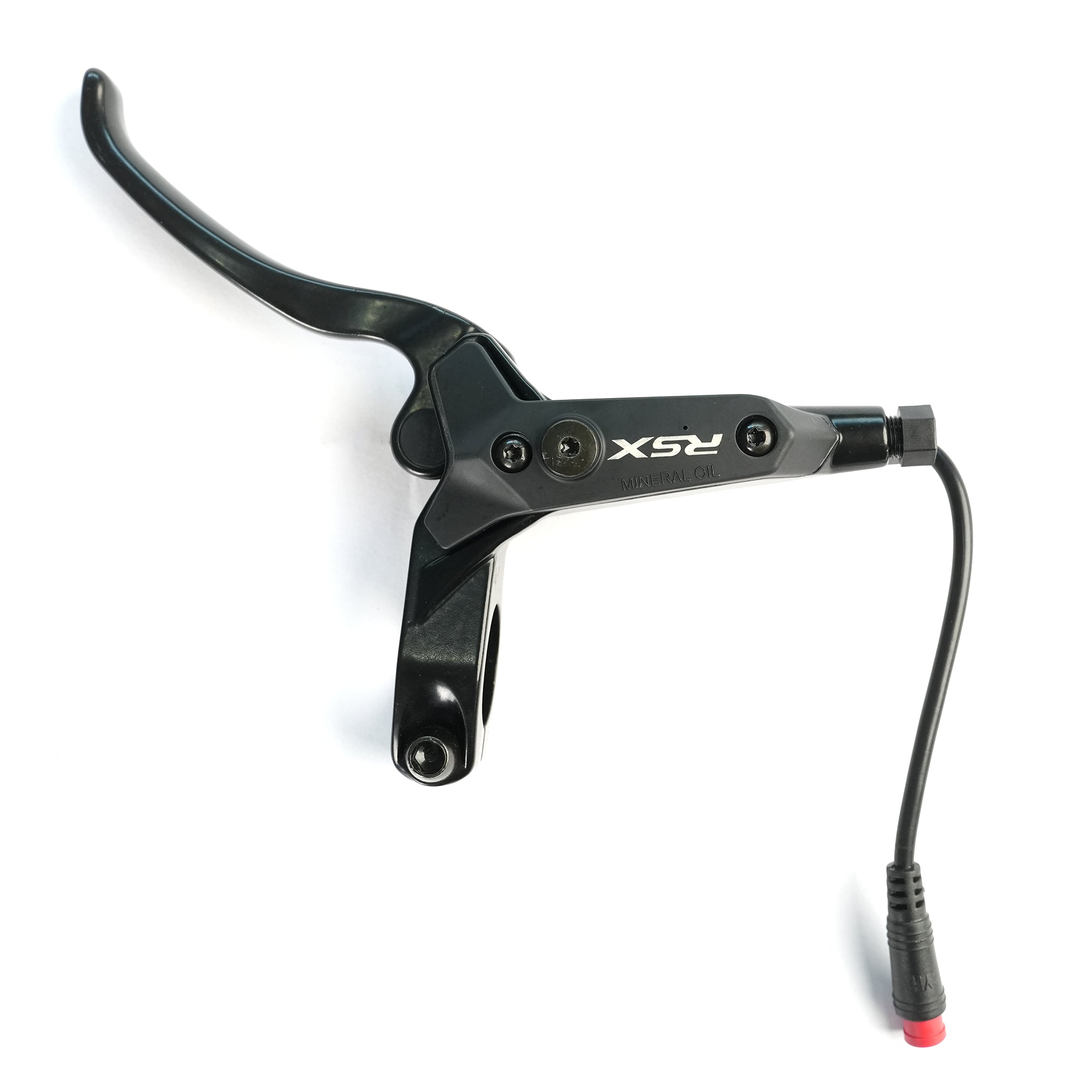
Electric dirt bikes commonly use disc brakes, with higher-performance models often equipped with hydraulic disc brakes.
Mechanical vs. Hydraulic Disc Brakes
Mechanical disc brakes use a cable to operate the brake mechanism.
They can be relatively simple to maintain and are common on entry-level bikes.
Hydraulic disc brakes use hydraulic fluid to transfer braking force.
They generally provide:
- Stronger braking performance
- More consistent modulation
- Less hand effort
- Better performance during demanding riding
For heavier riders, steeper terrain, or higher-speed riding, braking performance becomes especially important.

When comparing bikes, consider the front and rear brake configuration, not just whether the bike has "disc brakes."
8. Tire Size and Type Affect How the Bike Handles
Tires are the only part of the bike directly contacting the ground, so they have a major effect on traction and handling.
Consider:
- Wheel diameter
- Tire width
- Tread pattern
- Tire construction
- Intended terrain
Smaller Wheels
Smaller wheels can make a bike easier for shorter riders to control and may reduce overall seat height.
Larger Wheels
Larger wheels generally roll over obstacles more easily and can provide greater stability on uneven terrain.
Tire Tread
A more aggressive tread can provide additional traction on loose dirt, mud, and uneven surfaces, while a less aggressive tread may be better suited to harder-packed surfaces.
Choose tire specifications based on the terrain you actually ride rather than simply selecting the largest tires available.
9. Frame Size and Seat Height Are Critical
A dirt bike needs to fit the rider.
A bike that is too tall can make it difficult to mount, stop, or regain control. A bike that is too small can feel cramped and limit control as the rider grows.
Pay attention to:
- Seat height
- Handlebar position
- Wheel size
- Rider weight limit
- Overall bike weight
- Frame geometry
Why Bike Weight Matters
Electric dirt bikes are often heavier than comparable non-electric bikes because of the battery and motor.

A heavier bike can offer stability, but it can also be harder for a smaller or inexperienced rider to maneuver.
Don't forget to consider a practical question:
Can the rider physically move the bike when the motor isn't running?
This matters when loading the bike into a vehicle, moving it around a garage, or recovering it after a fall.
10. Weight Capacity Is More Than a Specification
Manufacturers typically provide a maximum rider weight or payload rating.
Don't treat this as an optional number.
Rider weight affects:
- Acceleration
- Braking distance
- Range
- Suspension behavior
- Climbing performance
- Overall handling
If the rider is close to the bike's maximum recommended load, consider choosing a model with additional capacity rather than operating continuously at the limit.
11. Look at the Controls and Riding Modes
Electric dirt bikes can deliver instant torque, so acceleration control is particularly important.
Look for controls that are:
- Easy to understand
- Easy to reach
- Predictable
- Appropriate for the rider's experience
Some electric dirt bikes offer multiple speed or riding modes.
For beginners, a lower-power mode can provide a more manageable introduction to electric riding. More experienced riders can switch to higher-performance settings when appropriate.

A well-designed control system isn't just about convenience, it contributes to overall rider confidence and control.
12. Safety Equipment Should Be Part of Your Budget
The bike isn't the only thing you need to buy.
At minimum, riders should use appropriate protective equipment, including:
- DOT-compliant helmet
- Eye protection
- Gloves
- Long pants
- Long sleeves or a riding jersey
- Protective boots
- Knee protection
- Elbow protection
For more aggressive off-road riding, additional protective equipment may be appropriate.
Parents should be especially careful about matching protective gear to the child's size and ensuring that young riders understand basic riding and safety rules before heading onto a trail.
13. Consider Where You'll Actually Ride
Before buying an electric dirt bike, determine where you're legally and practically allowed to ride it.
An electric dirt bike designed for off-road use isn't automatically legal to ride on public roads, sidewalks, bike paths, or public trails.
Rules can vary depending on:
- State
- City or county
- Trail system
- Land manager
- Vehicle classification
- Bike specifications
Before purchasing, check local regulations and the rules of the specific property or trail system where you plan to ride.
Private Property vs. Public Trails
Private-property riding may provide more flexibility, but you should still obtain permission from the property owner and follow applicable safety requirements.

Public off-road areas can have their own restrictions regarding vehicle type, speed, age, noise, and permitted trails.
Always verify local requirements before riding.
14. Think About Maintenance Before You Buy
Electric powertrains eliminate some maintenance associated with gasoline engines, but electric dirt bikes are not maintenance-free.
Regularly inspect:
- Brakes
- Tires
- Wheels
- Chain and drivetrain
- Suspension
- Fasteners
- Battery connections
- Charging equipment
- Cables and controls
After riding in mud or dusty conditions, cleaning the bike can help prevent premature wear.
Electric Doesn't Mean Maintenance-Free
Compared with a gasoline dirt bike, an electric model generally has fewer engine-related components. There is no engine oil, spark plug, fuel system, or exhaust system to maintain.
However, components such as tires, brakes, bearings, chains, suspension parts, and batteries still require attention.
15. Check Replacement Parts and Customer Support
This is one of the most overlooked factors when buying an electric dirt bike.
A bike can look impressive on a product page, but long-term ownership depends heavily on whether you can obtain support and replacement parts when something eventually wears out.
Before buying, check whether the manufacturer provides:
- Replacement batteries
- Chargers
- Brake components
- Tires and tubes
- Chains and drivetrain components
- Replacement controls
- Suspension parts
- Technical support
- Warranty service
- User manuals

Why After-Sales Support Matters
Even a well-built bike will eventually need maintenance.
A manufacturer with accessible documentation, replacement parts, warranty support, and customer service can make ownership substantially easier.
This is particularly important when purchasing an electric dirt bike for a child because parents may not have experience servicing electric vehicles.
16. Understand the Warranty
Don't stop at the word "warranty."
Read the actual warranty terms before purchasing.
Pay attention to:
- Warranty duration
- Battery coverage
- Motor coverage
- Controller coverage
- Frame coverage
- Wear-item exclusions
- Labor or service coverage
- Shipping responsibilities
- Conditions that can void coverage
Battery warranties can be particularly important because batteries are one of the most expensive components to replace.
17. Compare Total Cost, Not Just Purchase Price
The cheapest electric dirt bike isn't necessarily the most affordable one to own.
Your actual cost may include:
Bike + protective equipment + accessories + maintenance + replacement parts + potential battery replacement
For example, spending a little more upfront on better brakes, suspension, battery capacity, or build quality may make sense if those features better match your riding needs.
At the same time, beginners don't necessarily need the most expensive performance bike.
The goal is to find the best value for your specific use case, not simply the highest specification.

18. Don't Be Distracted by Marketing Numbers
Electric dirt bike specifications can look impressive on paper.
But several numbers deserve additional context.
Top Speed
A higher top speed isn't automatically better.
Ask whether the rider has the experience and environment necessary to safely handle that speed.
Maximum Range
Maximum range is typically achieved under specific test conditions. Real-world results can vary substantially.
Motor Wattage
Wattage should be evaluated together with battery voltage, controller output, motor type, gearing, and rider weight.
Load Capacity
A higher maximum load doesn't necessarily mean better overall performance.
Peak Power
Peak output can be useful for understanding acceleration and climbing capability, but it shouldn't be confused with continuous motor performance.
The best electric dirt bike is not necessarily the one with the biggest numbers. It's the one whose specifications make sense for your rider and your terrain.
Electric Dirt Bike Buying Checklist
Before placing your order, use this checklist to compare models.
| Factor | What to Check |
| Rider | Age, height, weight, experience |
| Motor | Rated power, peak power, motor type |
| Battery | Voltage, Ah, Wh, estimated range |
| Charging | Charging time, charger, battery access |
| Suspension | Front/rear setup and adjustability |
| Brakes | Front/rear brake type |
| Tires | Size, width, tread and terrain suitability |
| Seat Height | Fit for the rider |
| Weight | Can the rider maneuver the bike? |
| Load Capacity | Maximum recommended rider weight |
| Riding Modes | Beginner and performance settings |
| Frame | Build quality and geometry |
| Maintenance | Ease of service and replacement parts |
| Warranty | Coverage and exclusions |
| Support | Customer service and technical support |
| Legal Use | Local riding and trail regulations |
| Total Cost | Bike + gear + maintenance + parts |
Electric Dirt Bike Buying Guide: The Bottom Line
Choosing an electric dirt bike should start with the rider and the intended riding environment—not the biggest motor or highest top-speed number.
A good buying decision comes down to finding the right balance between power, battery capacity, suspension, braking performance, size, weight, range, safety, and long-term support.
For a beginner, controllability and fit may be more important than outright performance. For an experienced rider, motor output, suspension, braking, and battery capacity may carry more weight. For parents buying a bike for a child, rider size, manageable power, safety equipment, and appropriate riding locations should be among the first considerations.
Before you buy, take the time to compare the complete package rather than a handful of specifications.
The right electric dirt bike isn't the one with the most impressive spec sheet. It's the one that gives the rider the right combination of performance, control, comfort, safety, and reliability for the way they actually ride.