
 Ebike Locks
 Phone Mount
 Payment
 Afterpay Financing
 Warranty
 Shipping Policy
 Exclusive Discounts
 Track Your Order
 Return & Refund
 Referrals & Membership
 User Manual
 Contact Us
 FAQs
FAQs
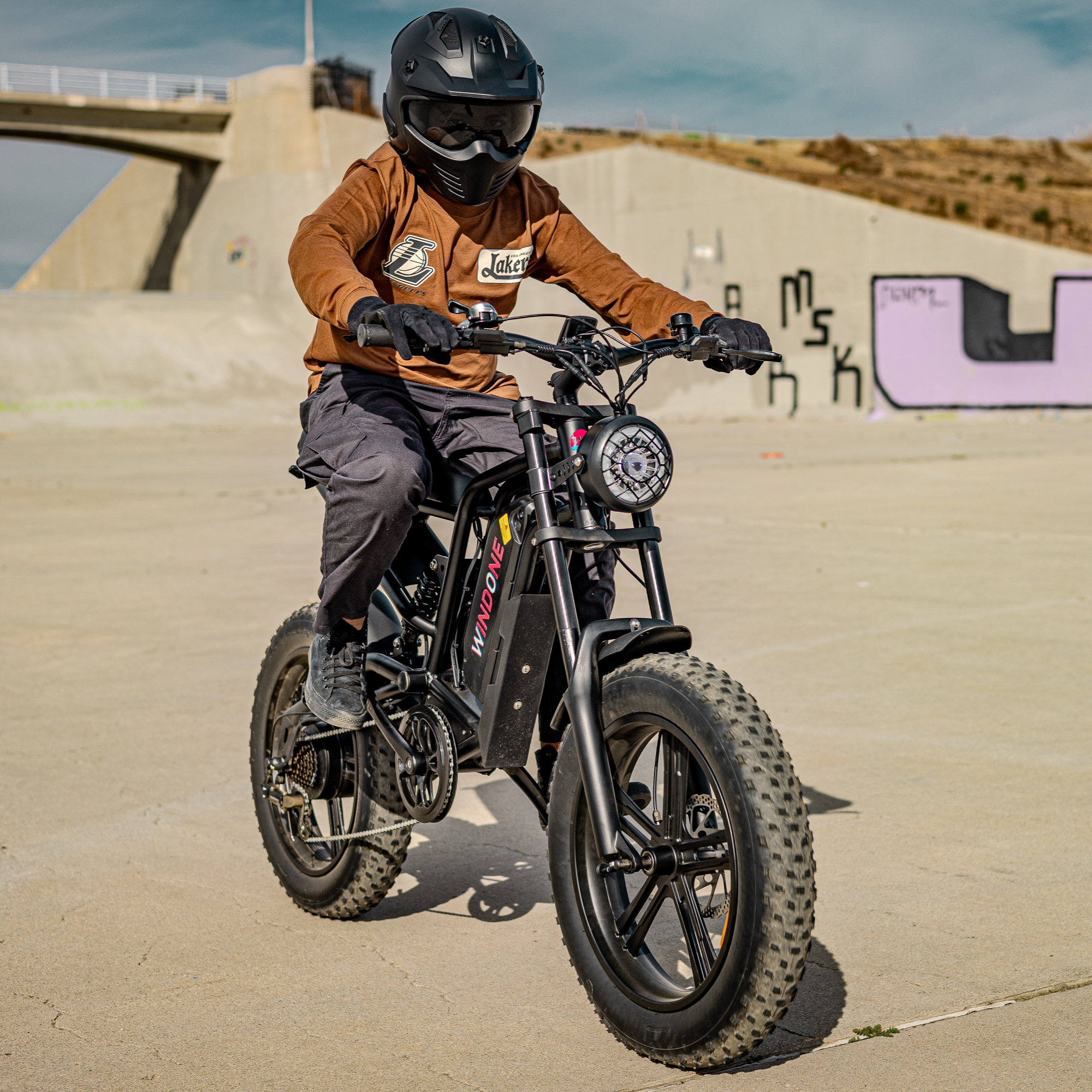
At first glance, an electric dirt bike and a motorcycle can look surprisingly similar. Both can have two wheels, suspension, knobby tires, disc brakes, and a seat designed for off-road riding. Both can also deliver an exciting riding experience.
But underneath the familiar shape, they are very different machines.
The most obvious difference is the power source: an electric dirt bike uses a battery and electric motor, while a conventional motorcycle typically uses an internal-combustion engine fueled by gasoline. That difference affects much more than what you put in the tank, or plug into the charger.
It changes how the vehicle delivers power, how much maintenance it requires, how it sounds, how it feels to ride, and where it may be appropriate to use.
For riders considering an electric dirt bike for recreational riding, trail use, or learning off-road skills, understanding these differences can make it easier to choose the right type of vehicle.
Electric Dirt Bike vs. Motorcycle at a Glance
| Feature | Electric Dirt Bike | Gas Motorcycle |
| Power source | Rechargeable battery | Gasoline |
| Motor/engine | Electric motor | Internal-combustion engine |
| Power delivery | Instant, smooth torque | Builds through engine RPM and gearing |
| Starting | Push-button or electronic controls | Typically electric starter |
| Noise | Much quieter | Engine and exhaust noise |
| Maintenance | Generally fewer mechanical service points | More engine-related maintenance |
| Refueling | Recharge battery | Fill with gasoline |
| Riding experience | Quiet, responsive, simple | Mechanical, louder, engine-focused |
| Exhaust emissions while riding | None from the vehicle itself | Yes |
| Typical use | Recreation, off-road riding, trails where permitted | Street and off-road models depending on design and regulations |
| Gearbox | Often single-speed | Usually multi-speed transmission |
| Operating cost | Depends largely on electricity, battery, and maintenance | Includes gasoline, oil, and engine maintenance |
The table gives you the basic differences, but the choice becomes clearer when you look at how each vehicle behaves in real riding situations.
What Is an Electric Dirt Bike?
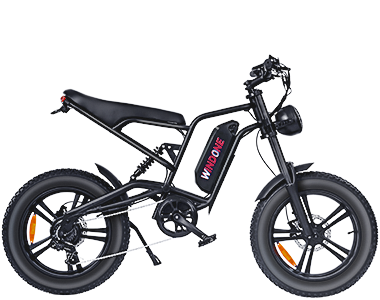
An electric dirt bike is an off-road motorcycle-style vehicle powered by a rechargeable battery and electric motor.

Instead of carrying a fuel tank and gasoline engine, it typically uses:
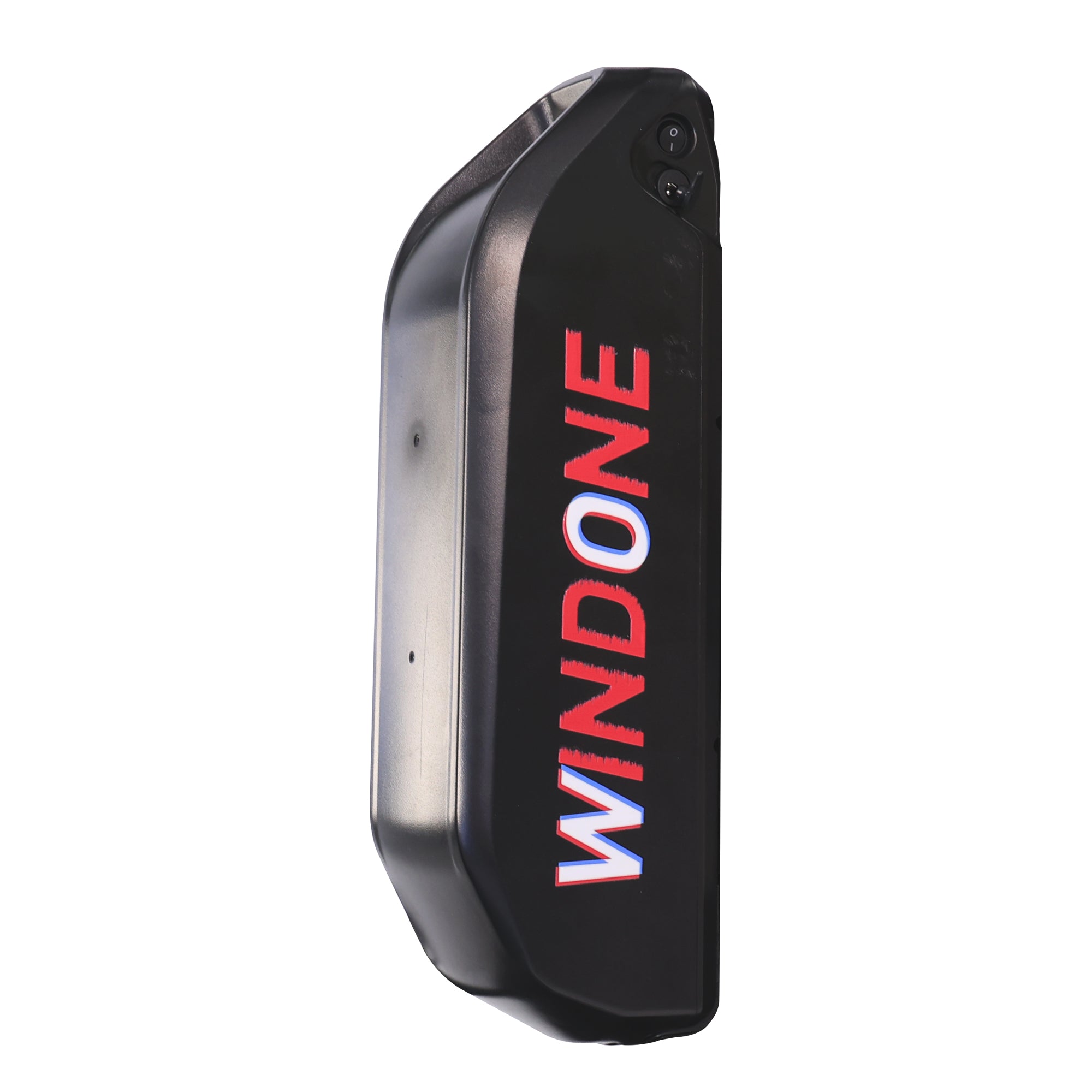
- A lithium-ion battery pack
- An electric motor
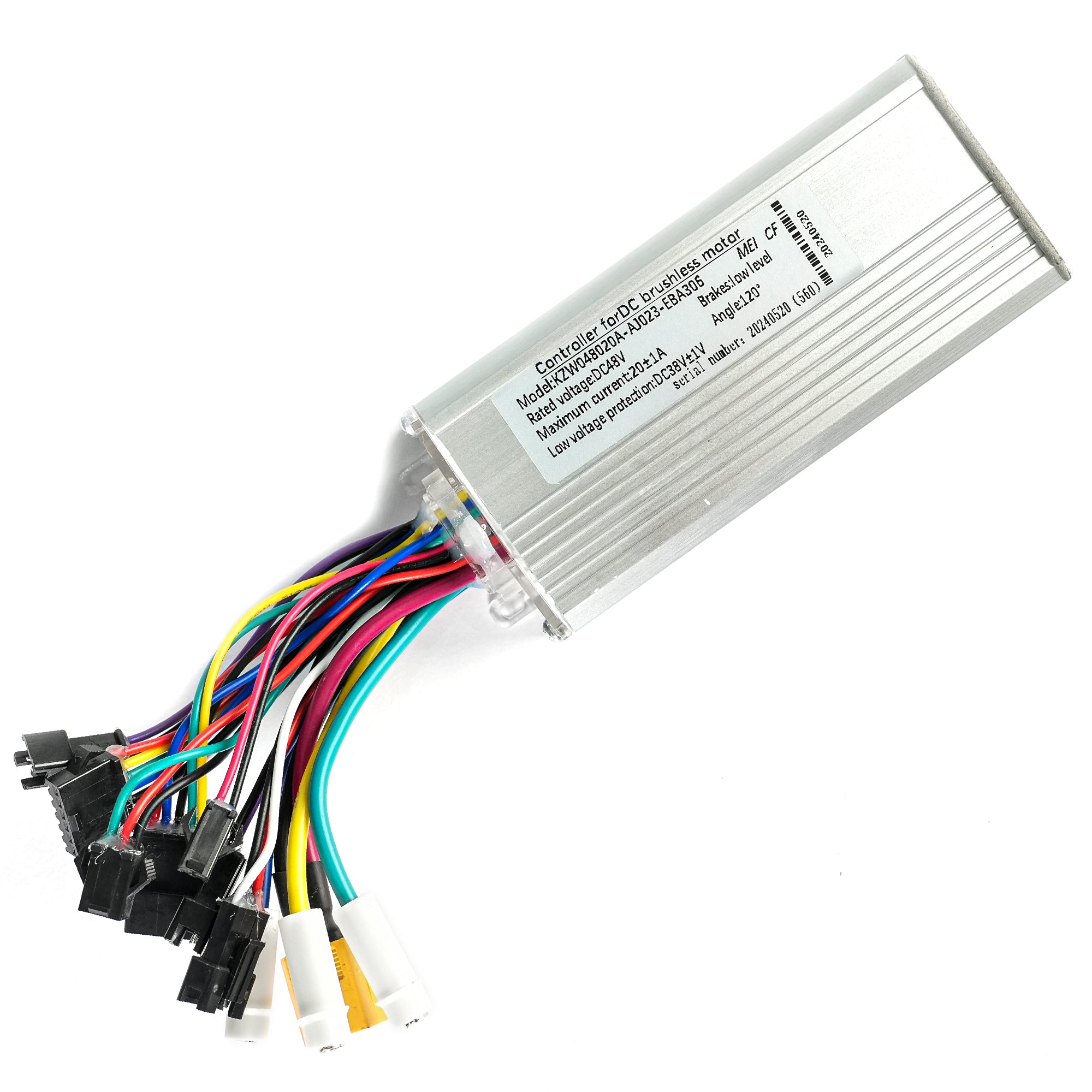
- A motor controller
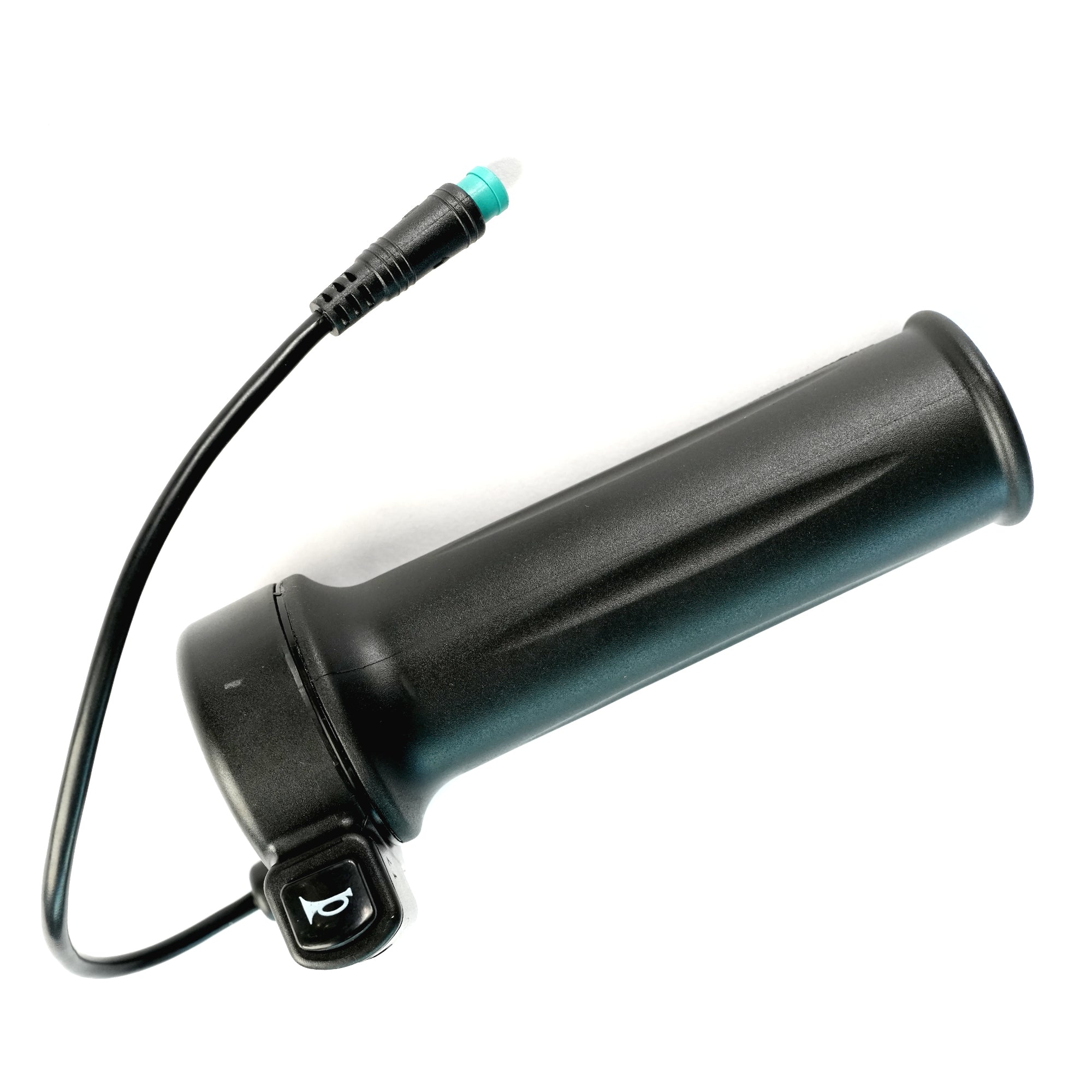
- A throttle
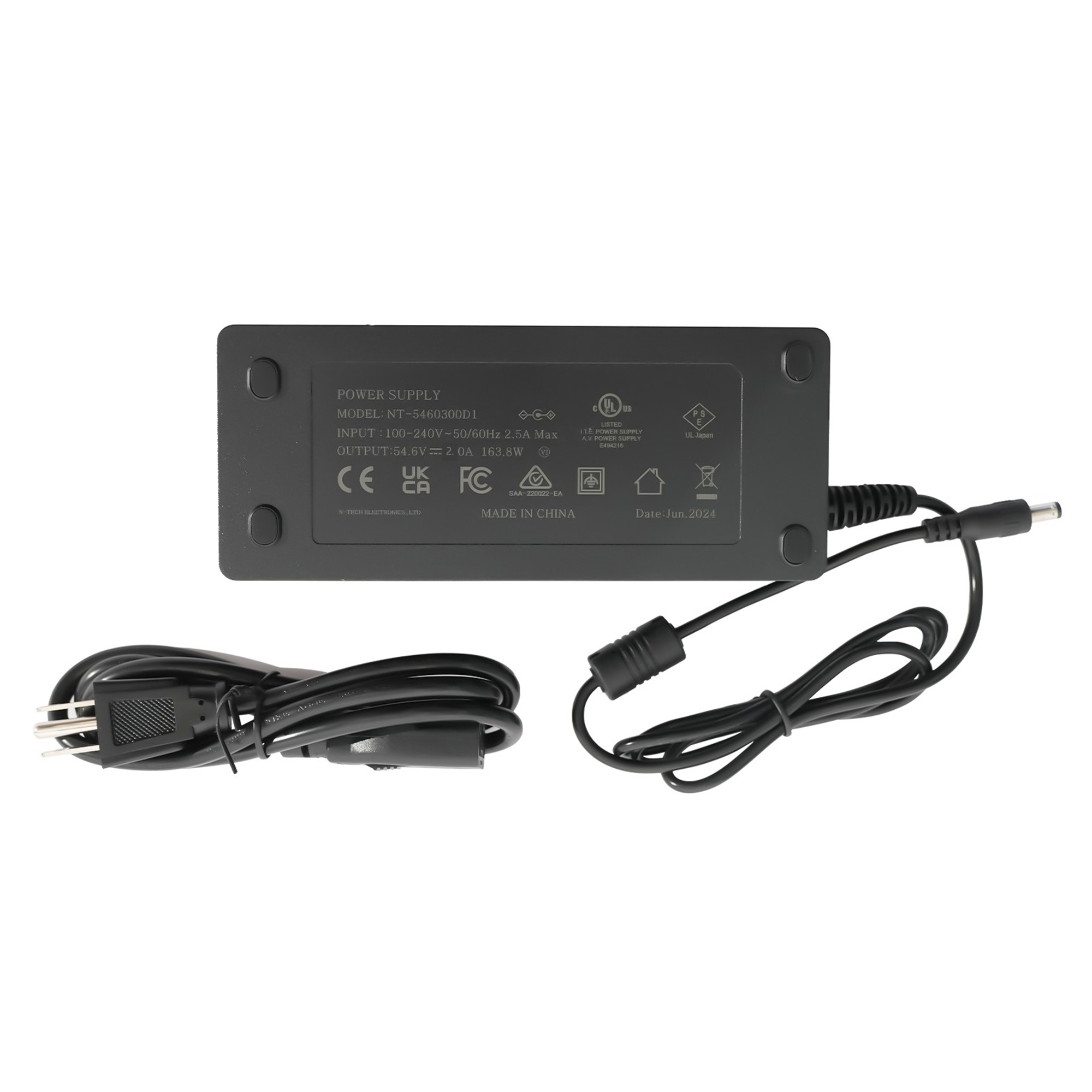
- A charger
- A simplified drivetrain
The exact configuration varies between models. Some are designed primarily for younger or beginner riders, while others are built for larger and more experienced riders and can deliver substantially higher power and speed.
Electric dirt bikes are generally designed around off-road recreation rather than conventional road transportation.
That distinction is important because an electric dirt bike is not automatically street legal simply because it has two wheels and resembles a motorcycle.
What Is a Motorcycle?
A conventional motorcycle uses an internal-combustion engine, typically powered by gasoline.
The engine burns an air-fuel mixture to produce mechanical power, which is transferred through the motorcycle's drivetrain to the rear wheel.
Depending on the motorcycle, it may be designed for:
- Street riding
- Highway travel
- Touring
- Commuting
- Motocross
- Trail riding
- Dual-sport riding
- Adventure riding
Motorcycles span an enormous range of sizes and performance levels, so comparing "an electric dirt bike" with "a motorcycle" isn't a perfectly one-to-one comparison.
A lightweight trail motorcycle and a heavyweight touring motorcycle, for example, are designed for completely different purposes.
The more useful comparison is between an electric dirt bike and a comparable off-road gas motorcycle.
1. Electric Motor vs. Gas Engine
The biggest technical difference is the way power is generated.
An electric dirt bike converts electricity stored in its battery into mechanical power through an electric motor.
A gas motorcycle burns fuel inside an engine to create power.
This creates a noticeable difference in the riding experience.
Electric motors deliver torque quickly
Electric motors can produce substantial torque from very low motor speeds.
For the rider, this can translate into responsive acceleration as soon as the throttle is opened.
That characteristic can be particularly useful when riding off-road, where you may need controlled power to climb an incline, cross loose terrain, or accelerate out of a slow corner.

A gas motorcycle, by comparison, typically develops its power across a broader engine-speed range.
The rider may need to coordinate the throttle, clutch, gear selection, and engine RPM to keep the motorcycle operating in its effective power range.
Neither approach is inherently better.
They're simply different.
2. Electric Dirt Bikes Usually Have Simpler Power Delivery
Many electric dirt bikes use a single-speed drivetrain or otherwise simplified transmission.
That means riders generally don't need to shift through multiple gears while riding.
For a beginner, this can reduce the number of things to think about.
Instead of simultaneously learning:
- Throttle control
- Clutch control
- Gear selection
- Engine RPM
the rider can concentrate more heavily on:
- Body position
- Steering
- Braking
- Terrain
- Throttle control
This simplicity is one reason electric power can be appealing to people who are new to off-road riding.
Gas motorcycles generally use multi-speed transmissions, which give experienced riders greater control over how the engine operates across different speeds and terrain.
3. Electric Dirt Bikes Are Much Quieter
Noise is one of the most immediately noticeable differences.
An electric motor produces far less operating noise than a gasoline engine and exhaust system.
For riders, that can create a very different experience.
You can hear more of your surroundings rather than primarily hearing the engine.
For recreational riders, the quieter experience can also be appealing when riding in areas where motorized recreation is permitted.
However, quieter does not mean silent.
Electric dirt bikes can still produce tire, chain, suspension, and mechanical noises, particularly on hard or rough terrain.
And riders should never assume that pedestrians, cyclists, or other trail users will hear an approaching electric dirt bike.
The lower sound level makes visual awareness even more important.
4. Maintenance Is Different
Another major difference is mechanical complexity.
Gas motorcycles contain an internal-combustion engine with numerous components that require periodic maintenance.

Depending on the motorcycle, maintenance can include:
- Engine oil and filter changes
- Air filter service
- Spark plug replacement
- Fuel-system maintenance
- Valve adjustments
- Cooling-system maintenance
- Clutch maintenance
- Exhaust-system inspection
Electric dirt bikes don't have a gasoline engine, so they don't require engine oil changes, spark plugs, or many of the other engine-specific services associated with gas motorcycles.
That doesn't mean an electric dirt bike is maintenance-free.
Riders still need to inspect and maintain:
- Brakes
- Tires
- Chain and sprockets
- Suspension
- Bearings
- Fasteners
- Battery connections
- Electrical components
The battery is also a major component that should be cared for according to the manufacturer's instructions.
So the difference isn't "maintenance versus no maintenance."
It's more accurately "different types of maintenance."
5. Refueling vs. Recharging
A gas motorcycle can generally be refueled within minutes.
That makes gasoline particularly convenient for long-distance riding where fuel stations are readily available.
An electric dirt bike needs to be recharged.
Charging takes considerably longer than filling a gas tank, which means riders need to plan around battery capacity and charging access.
For recreational riding, this may not be a major inconvenience.
If you're riding at a private property, off-road facility, or another location where you can recharge between sessions, an electric dirt bike can work very well.
For long-distance riding, however, battery range and charging availability become much more important considerations.
6. Range Works Differently on Electric Dirt Bikes
Electric dirt bike range isn't a single fixed number.
How far you can ride on one charge depends on factors such as:
- Rider weight
- Riding speed
- Terrain
- Inclines
- Throttle use
- Riding mode
- Temperature
- Tire pressure
- Battery condition
Aggressive off-road riding generally consumes considerably more energy than slow riding on relatively flat terrain.
This is similar to how a gas motorcycle's fuel consumption changes with riding conditions, but the planning process is different.

When comparing an electric dirt bike, don't look only at the advertised maximum range.
Instead, consider how that range was measured and whether the test conditions resemble the way you plan to ride.
7. Electric Dirt Bikes Can Feel More Approachable
Because electric dirt bikes can offer simple controls and predictable power delivery, they can be approachable for riders who are learning.
A beginner doesn't necessarily have to master clutch operation and gear shifting before learning fundamental off-road skills.
That can make it easier to focus on:
Body Position
Learning how to position your body while accelerating, cornering, climbing, and descending.
Throttle Control
Understanding how small throttle inputs affect traction and acceleration.
Braking
Learning how to use the front and rear brakes appropriately.
Terrain Awareness
Recognizing changes in surface conditions, obstacles, slopes, and available traction.
These skills remain important regardless of the power source.
An electric dirt bike may simplify the controls, but it doesn't eliminate the need to learn responsible riding.
8. Weight and Handling Still Matter
It's tempting to assume that an electric dirt bike will automatically be lighter because it doesn't have a gas engine.
That's not necessarily true.
The battery pack can be substantial, and total weight depends heavily on the design.
Weight influences:
- Acceleration
- Braking
- Cornering
- Balance
- Maneuverability
- How easy the bike is to move when stopped
For younger or smaller riders in particular, the physical size and weight of the bike should be considered carefully.
A bike that's too large or heavy can be difficult to control, even if its power output seems appropriate.
9. Electric Dirt Bikes and Gas Motorcycles Have Different Environmental Characteristics
An electric dirt bike produces no tailpipe emissions while riding because it doesn't burn gasoline onboard.
That can reduce direct emissions at the point of use.
However, the overall environmental impact of an electric vehicle also depends on factors such as:
- How electricity is generated
- Battery production
- Battery lifespan
- Manufacturing
- Charging habits
- End-of-life battery management

Gas motorcycles, meanwhile, consume gasoline and produce exhaust emissions during operation.
So it's more accurate to say that electric dirt bikes eliminate tailpipe emissions during operation, rather than claiming they have zero environmental impact.
10. Electric Dirt Bike vs. Motorcycle: Which Is Faster?
This is one of the most common questions, but there isn't a universal answer.
Some electric dirt bikes are designed for relatively modest speeds, while high-performance electric motorcycles can be extremely powerful.
Likewise, gas motorcycles range from small beginner models to machines capable of very high speeds.
Power source alone doesn't determine performance.
Performance depends on:
- Motor or engine output
- Vehicle weight
- Gear ratios
- Battery capacity
- Controller configuration
- Aerodynamics
- Tire selection
- Overall vehicle design
If you're comparing two specific models, look at their actual specifications rather than assuming that electric or gasoline power is automatically faster.
Electric Dirt Bike vs. Motorcycle: Which Is Better for Beginners?
For someone learning to ride off-road, an electric dirt bike can offer several advantages.
The simpler controls and smooth power delivery can reduce the number of mechanical skills a beginner needs to learn at the same time.
However, the right size and performance level are more important than simply choosing electric power.
A high-powered electric dirt bike can be just as inappropriate for an inexperienced rider as a high-performance gas motorcycle.
Beginners should prioritize:
- Appropriate seat height
- Manageable weight
- Predictable power
- Responsive brakes
- Suitable tires
- Comfortable riding position
- Appropriate speed capability
Start with a vehicle that matches the rider's physical size and experience rather than choosing based solely on maximum performance.
Electric Dirt Bike vs. Motorcycle: Which Is Better for Trails?
This depends heavily on the trail and its rules.
Some off-road areas allow certain types of motorized vehicles, while others restrict motorized use entirely. Some locations may distinguish between electric bicycles, electric motorcycles, dirt bikes, and other vehicle categories.
Before riding, always check:
- Whether motorized vehicles are permitted
- Whether electric vehicles are permitted
- Whether the specific vehicle class is allowed
- Whether a permit or registration is required
- Whether the trail has age or equipment requirements
Never assume that a trail marked as a "bike trail" automatically allows an electric dirt bike.

Trail access is determined by local rules, not by the fact that the vehicle is electric.
Are Electric Dirt Bikes Street Legal?
This is another area where riders need to be careful.
An electric dirt bike isn't automatically street legal just because it is electric.
In the United States, requirements can vary by state and local jurisdiction. A vehicle may need specific equipment, registration, insurance, licensing, or other approvals to be operated on public roads.
Some electric dirt bikes are designed exclusively for off-road use.
Others may be manufactured to meet different requirements.
Before riding on public roads, check the laws that apply to the exact vehicle and location.
For an off-road-only model, keep it on private property or designated areas where that type of vehicle is permitted.
Which Costs More to Own?
Purchase price varies dramatically between electric dirt bikes and gas motorcycles, so there isn't a universal winner.
Instead, consider the total ownership picture.
Electric dirt bike expenses may include:
- Initial purchase price
- Electricity
- Battery replacement over the long term
- Tires
- Brake components
- Chain and sprockets
- General maintenance
Gas motorcycle expenses may include:
- Initial purchase price
- Gasoline
- Engine oil
- Oil filters
- Spark plugs
- Air filters
- Tires
- Brake components
- Chain and sprockets
- Engine and fuel-system maintenance
Electric dirt bikes can have fewer routine mechanical service requirements, but the battery is a significant component of the vehicle and eventually has a finite service life.
For a meaningful comparison, consider your expected riding frequency, distance, maintenance needs, and how long you plan to keep the vehicle.
Which One Should You Choose?
The better choice depends on what you want to do with it.
Choose an electric dirt bike if you value:
- Quiet operation
- Simple controls
- Instant throttle response
- Less engine-related maintenance
- No gasoline storage or refueling
- Off-road recreational riding
- A straightforward learning experience

A gas motorcycle may be a better fit if you prioritize:
- Long-distance riding
- Quick refueling
- Extensive range
- Traditional motorcycle mechanics
- Long established fuel infrastructure
- Certain types of high-performance riding
Neither technology is universally better.
The right choice depends on where you ride, how often you ride, how far you travel, your experience level, and what kind of riding experience you want.
What to Consider Before Buying an Electric Dirt Bike
If you're leaning toward an electric dirt bike, don't make your decision based on motor wattage alone.
Consider the complete package.
1. Battery Capacity
A larger battery can provide more stored energy, but battery capacity should be considered alongside motor power, vehicle weight, and the manufacturer's range testing conditions.
2. Motor Output
Motor power affects acceleration and hill-climbing capability, but more power isn't necessarily better for every rider.
Choose power appropriate to the rider's experience and intended terrain.
3. Suspension
If you're riding on uneven terrain, suspension can make a significant difference in comfort and control.
Look at the suspension design and available travel rather than treating suspension as simply another specification.
4. Brakes
Reliable braking is essential for controlling speed, especially when riding downhill or over changing terrain.
5. Tires
Knobby tires designed for off-road surfaces can provide the traction necessary for dirt, gravel, and other loose terrain.
6. Rider Size
Pay attention to the manufacturer's recommended rider size and weight range.
A properly sized bike is easier to control and more comfortable to ride.
7. Charging
Consider where you'll charge the bike and how long charging takes.
If you regularly ride away from home, battery planning becomes especially important.
Electric Dirt Bike vs. Motorcycle: The Bottom Line
The difference between an electric dirt bike and a conventional motorcycle goes far beyond battery versus gasoline.
An electric dirt bike changes the entire riding experience.
Its electric motor can deliver immediate torque, its controls can be simpler, and its operation is considerably quieter. It also eliminates many engine-specific maintenance tasks and removes the need to carry gasoline.
A gas motorcycle, meanwhile, offers fast refueling, established fuel infrastructure, and a familiar mechanical riding experience that many riders enjoy.
For off-road recreation, electric dirt bikes can be an appealing option for riders who want responsive performance, simpler operation, and a quieter way to enjoy the outdoors.
But the most important consideration isn't whether electric or gas technology is objectively better.
It's whether the vehicle matches your rider size, experience, terrain, intended use, and local regulations.
Choose the machine that fits the way you actually plan to ride, not simply the one with the biggest motor, highest top speed, or longest advertised range.